
A complete guide to nature play, outdoor education, forest school-inspired activities, and seasonal learning for children of all ages.
This comprehensive guide shares outdoor learning activities, nature play ideas, games, science projects, seasonal adventures, and resources for children of all ages. It’s for parents, teachers, homeschoolers, and anyone seeking to deepen their child’s understanding of—and connection to—the natural world.
Outdoor learning can happen close to home, in a backyard, neighborhood park, garden, or nearby woodland, and in every season. Engaging children in daily outdoor activities and learning adventures creates opportunities to play, observe, imagine, experiment, and discover what interests them.
The outdoor nature activities below include ideas you can adapt for toddlers, preschoolers, kindergarteners, elementary-aged students, tweens, and teens. They also offer inspiration for educators and instructors at nature preschools, forest school kindergartens, outdoor education programs, and summer camps. Choose activities that suit the children’s interests, abilities, and surroundings, with appropriate guidance and supervision.
In a world increasingly filled with screens and indoor activities, outdoor learning makes room for hands-on experiences with the living world. Explore nature games and scavenger hunts, gardening activities, outdoor science and STEAM projects, nature study ideas, and seasonal activities—or use these Forest School-inspired invitations as starting points for children’s own adventures.
Explore nature’s wonders and uncover its mysteries together. Whether you have a few minutes or an afternoon, this collection of outdoor learning ideas offers ways to get outside, learn naturally, and enjoy nature through play.

In This Outdoor Activity Guide
Use the links below to find outdoor learning activities by age or interest, explore seasonal ideas, helpful resources, or get answers to common questions. You can also read through the guide and see what sparks your curiosity.
- Benefits of Outdoor Learning and Nature Play
- Learning Through Play Outdoors
- What Is Forest School?
- Outdoor Learning Activities by Age
- Nature Activities and Nature School Ideas for Kids of All Ages
- Outdoor Nature Activities for Kids
- Forest School-Inspired Activities and Outdoor Play
- Nature Games and Scavenger Hunts for Kids
- Nature Study Ideas for Kids
- Outdoor Science, STEM, and STEAM Activities for Kids
- Nature Art and Outdoor Creative Activities
- Outdoor Gardening Activities for Kids
- Nature Activities for All Seasons
- DIY Outdoor Play Areas and Backyard Learning Spaces
- Outdoor Field Trip Ideas for Parents and Educators
- Bring Nature Learning Indoors with a Nature Table
- Books for Outdoor Parents and Educators
- Common Questions About Outdoor Learning Activities
- Get Outside and Explore Nature Together
Benefits of Outdoor Learning and Nature Play:
Educational outdoor nature activities like these offer children a wide range of learning opportunities. Natural settings offer changing sights, sounds, textures, and smells that invite children to engage their senses, observe closely, and explore the world around them.
Outdoor learning and nature play create opportunities for:
- Curiosity and discovery: Watching wildlife, examining leaves, and noticing seasonal changes give children reasons to ask questions and investigate.
- Creativity and imagination: Sticks, stones, mud, and other natural materials invite storytelling, building, and open-ended play.
- Problem-solving: Children can test ideas, adjust their plans, and try again as they build shelters, investigate shadows, or find ways to move water.
- Physical activity: Walking, digging, balancing, and climbing in suitable settings give children opportunities to practice movement and coordination.
- Communication and cooperation: Shared discoveries and group adventures invite children to explain ideas, listen, negotiate, and work together.
- Connection with nature: Returning to familiar places gives children time to recognize living things, notice their needs, and practice caring for their surroundings.
These experiences can support children’s physical, social, and emotional development while making learning meaningful and enjoyable. The University of California San Francisco’s California Childcare Health Program describes outdoor play as an opportunity to develop imagination, motor skills, knowledge of nature, and social skills. Read its outdoor play guidance.
You don’t need to turn every discovery into a lesson. The nature study ideas, outdoor science activities, and nature play invitations below offer starting points for children to explore their interests and learn through direct experience.
For more easy ways to get outside together, explore our weekly outdoor activity list and the personal story behind the Get Outside and Connect movement.
“Roots of understanding grow deep when curious minds are nourished in nature.” Nell Regan Kartychok (Creator and founder of Rhythms of Play).
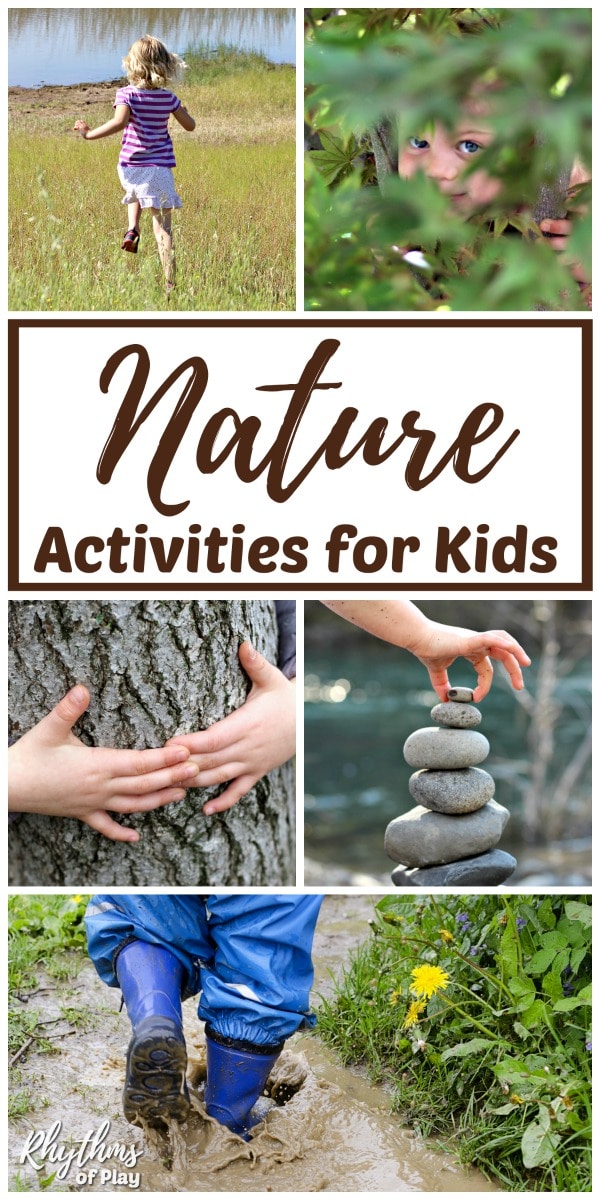
Related: The Ultimate Eco-Friendly Gift Guide for Kids
Learning through play outdoors: Helping Children Connect and Engage with Nature:
The outdoor learning activities below offer starting points for children to explore, play, and discover what interests them. Follow their curiosity, share in their discoveries, and give them time to see where their ideas lead.
At Rhythms of Play, our philosophy is following children’s interests while leading with rhythm and play. Make space for the Daily Living Practices, wonder, connection, exploration, imagination, creativity, and contribution, in your days together as you see fit.
The outdoor learning activities included in this guide are invitations to adapt, not a checklist you must complete. Choose what sparks curiosity, leave room for your children’s or students’ own ideas, and enjoy discovering the natural world together in whatever way interests you.
For practical ways to support these experiences, visit Learning Through Play Outdoors: How to Help Children Connect and Engage with Nature. This guide shares ways to encourage curiosity, engage the senses, support independent exploration, and make outdoor play part of your daily rhythm.
What Is Forest School?
Forest School is more than a collection of woodland activities. It is a child-centered learning process grounded in regular, long-term experiences in a natural setting. Through play, exploration, supported risk-taking, reflection, and responsive guidance, children can develop their interests, confidence, skills, and relationships with the natural world.
Forest School describes an educational approach, rather than simply a place where learning happens. Taking a lesson outside or trying an activity in the woods does not automatically make it Forest School. The Forest School Association identifies six connected principles, including a long-term process, learner-centered experiences, holistic development, supported risk, a natural setting, and qualified Forest School practitioners. Explore the Forest School principles.
Families and educators can still learn from these principles by returning to familiar natural places, following children’s interests, allowing time for play, and providing thoughtful guidance as children explore appropriate challenges.
This guide offers Forest School-inspired activities and outdoor learning ideas, rather than a formal Forest School curriculum. Use them as invitations to explore, adapt them to the children and setting, and leave room for discoveries you haven’t planned.
Outdoor Learning Activities by Age
Children of different ages can enjoy many of the same outdoor learning activities when we adapt the materials, challenge, and guidance to suit them. Use these suggestions as starting points, following each child’s interests, abilities, and comfort rather than age alone.
Outdoor Learning Activities for Toddlers
For toddlers, start by offering simple chances to move, notice, and explore the world with you. A short nature walk can become an adventure as you watch ants, listen to birds, or examine something interesting, such as a flower or a fallen leaf.
Try the following simple activities with toddlers:
- Exploring the textures of tree bark and playing with leaves outdoors together.
- Watching birds or squirrels from a comfortable distance.
- Digging in a suitable patch of soil with a scoop, or playing in a sandbox.
- Making mud creations with closely supervised, age-appropriate materials.
Stay close, especially around water, and choose materials that are safe for children who still put things in their mouths. Save small nature finds and craft supplies for when children are old enough to handle them appropriately. Give toddlers time to repeat favorite discoveries.
Outdoor Learning Activities for Preschoolers
Outdoor learning activities for preschoolers can build on their growing interest in pretend play, collecting, comparing, and asking questions. Offer an invitation and leave room for them to decide what happens next.
Try these outdoor ideas for preschoolers:
- Looking for colors, shapes, or seasonal changes on a nature scavenger hunt.
- Making mud pies or an imaginary meal in a mud kitchen.
- Comparing fallen leaves or sorting stones and other natural materials.
- Creating a nature mandala with natural materials where permitted.
- Planting seeds and helping care for a garden.
Keep games flexible and instructions simple. A preschooler may turn your sorting invitation into a pretend-play activity and discover new ways to use the materials.
Outdoor Learning Activities for Kindergarten
Outdoor learning for kindergarten can combine imaginative play and hands-on exploration with opportunities to investigate early math, language, and science ideas.
Try these outdoor activities with kindergarteners:
- Count and compare natural objects, then invent patterns.
- Describe animal tracks and imagine which creature made them.
- Watch shadows change or create shadow art.
- Grow sunflowers and observe their development.
- Drawing discoveries to learn more about them.
- Build a small shelter and test which materials help it stand.
For kindergarten outdoor learning activities, offer questions and tools when they help children develop an idea. Leave plenty of time for free play, movement, and discoveries beyond anything you planned.
Outdoor Learning Activities for Elementary Students
Elementary-aged children may enjoy investigating a question over several outings, learning to use a field guide, or developing a project with friends.
Try these outdoor activities with older children:
- Recording bird or squirrel observations.
- Investigating worms and other living creatures.
- Sorting and classifying rocks.
- Exploring the art and science of skipping stones.
- Making a human sundial.
- Planning a garden or building an outdoor shelter.
Invite children to make predictions, test ideas, and record what changes in their notebooks or nature journals. Connect lessons to their discoveries while leaving room for outdoor play because they enjoy it.
Outdoor Learning Ideas for Tweens and Teens
Older children still need opportunities to explore, play, and spend time in nature. Let them help choose activities, destinations, and projects that offer meaningful challenges.
Try these outdoor activities for tweens and teens:
- Photographing wildlife or seasonal changes.
- Keeping a detailed nature journal or sketchbook.
- Planning a growing space and helping manage compost.
- Investigating local habitats and returning to compare observations.
- Exploring outdoor art, construction, or science projects.
- Helping to plan the outdoor adventures that interest them most.
Offer increasing independence as their readiness and the setting allow. Give them room to pursue an interest more deeply, enjoy time with friends, or find a quiet place, such as a sit spot, to observe the world around them.
The activity collections below include instructions, related guides, and more ways to adapt outdoor nature activities for the children in your care.
Nature Activities and Nature School Ideas for Kids of All Ages:
Spending time outside builds brains and bodies in ways only nature can. Exploring the outdoors gives children chances to learn, play, and connect with the natural world. Whether they hike forest trails, spot wildlife, tend a garden, or search for nature’s small wonders, everyday adventures can spark curiosity, imagination, and a growing appreciation for their surroundings.
The collections below share nature activities, nature school ideas, and Forest School-inspired invitations you can adapt for children of different ages, interests, and abilities. Use these outdoor learning ideas as starting points, follow what captures children’s attention, and leave room for their own discoveries. For more inspiration, explore Get Outside and Connect.
I update this growing collection of ideas as I create new outdoor, nature-based activities and add helpful resources.

Outdoor Nature Activities for Kids:
These outdoor nature activities for kids offer simple ways to explore, play, and discover together. Adapt the ideas for toddlers through teens by following their interests and choosing suitable places to explore. Which of these classic outdoor activities will you try first?
1. Go on a Nature Walk
Take a moment to connect with nature on a walking exploration. Choose a location that suits everyone’s abilities. Local parks, greenways, and nature reserves are great options, but your neighborhood or any accessible outdoor area with natural elements can offer discoveries, too.
Slow down, observe your surroundings, and notice what is happening around you. Most importantly, take your time—there’s no need to rush. Let your senses guide you as you listen for birds, notice the scent of fresh earth, or watch leaves moving in the breeze.
Invite children to help lead the exploration. Pause when something catches their attention, whether it’s a snail crossing the path, an interesting seedpod, or a shadow across the path. You might ask, “What do you notice?” Then give children time to look closely and share what they discover.
Whether you’re taking a short stroll along a nature trail or embarking on a longer hike through the forest, nature walks help us stay present to nature’s wonders, big and small. Leave room to experience the peaceful rhythm of the natural world. If you’d like, draw a discovery, record a question to revisit later, or write down something you want to remember in a nature journal.
2. Spend Time in a Sit Spot
Choose one outdoor place to visit regularly. Sit quietly and notice what you can see, hear, smell, and feel. A “sit spot” can be anywhere: under a tree, near a stream or creek, on a beach, in the middle of a forest, or even in your backyard. Choose a comfortable, accessible place where children can settle safely, away from hazards like unstable banks or the water’s edge. What matters most is returning often.
Invite children to choose a natural setting where they can sit regularly–daily, weekly, or monthly–and notice their surroundings through their senses. Begin with a brief pause and stay longer as their interest grows. You don’t need to insist on complete silence or perfect stillness; children may want to point out a discovery or quietly describe what they hear.
Returning to the same place helps children recognize seasonal changes, animal patterns, weather shifts, and the quiet details they miss when moving. Listen for a familiar bird, watch how sunlight falls across the ground, or notice whether buds have opened since your last visit.
Unlike a nature walk, a sit spot invites us to pause and let nature come to us. Spending time in a sit spot can help remind us that we are not separate from nature, but an integral part of it.
Slow down and notice the subtle changes within and around you to deepen your connection with the land and its rhythms. When you’re finished, draw a discovery, talk about what you noticed, or, if you’d like, write down your thoughts and experiences in a nature journal.
3. Explore a Shore
Take the time to explore a seashore, lakeshore, river shore, or creek shore. Learning happens naturally when we get outside. Stay cool on a hot, sunny day, or bundle up and sit or stroll along the shore, weather permitting, any day of the year.
Many children are eager to splash and play in the water, especially on a warm day. My daughter always wanted to get in, even when it wasn’t so warm! When conditions allow, water play can become part of your shore adventure. Observe wildlife from a respectful distance, leave living creatures and their shelters undisturbed, and check local rules before collecting natural materials.
If water play is part of your visit, choose an appropriate location and follow beach and swimming safety guidelines. Keep young children within arm’s reach around water, and watch for tides, currents, slippery surfaces, and changing conditions wherever you are.
Visit your favorite shore today! For more ideas, explore our guide that shares several Things to do and a Creek.
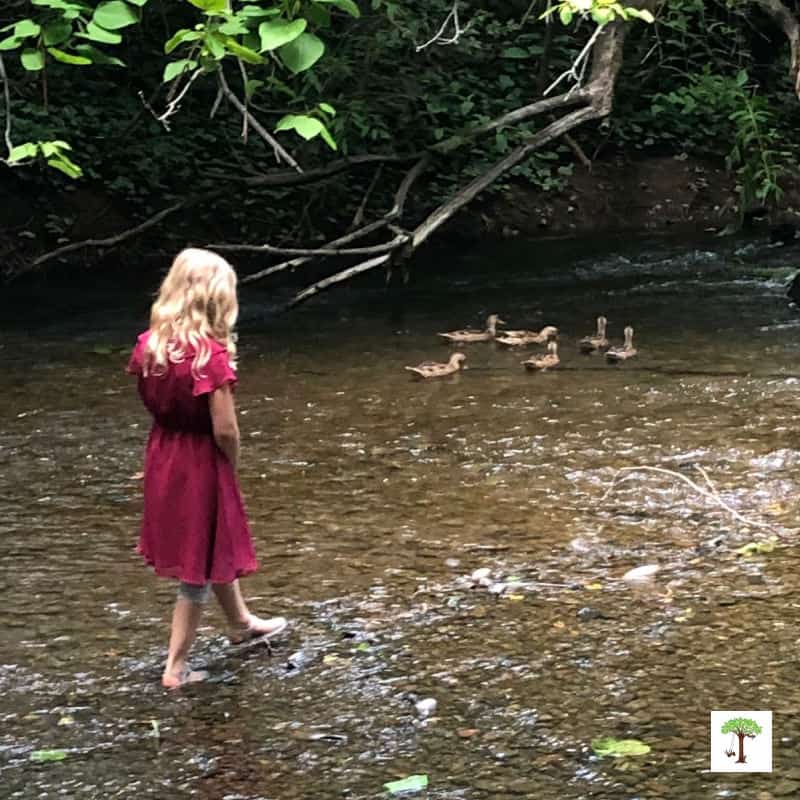
4. Hug a Tree
Hugging trees is a feel-good outdoor activity suitable for all ages. Pause beside a tree, wrap your arms around its trunk if you’d like, and take a moment to notice its texture, size, and the branches reaching overhead.
Invite children to choose a tree that interests them. Can they reach around it? Is the bark smooth, rough, patterned, or covered in lichen? They might enjoy returning to the same tree to watch it change through the seasons.
Hug-a-Tree and Survive is also an outdoor safety education program that teaches children how to avoid getting lost and what to do if they become separated from their group. Its central message is to stay put near a tree or another fixed landmark rather than wander in search of the way back. Staying in one place makes it easier for searchers to find them.
Introduce these skills before an outdoor adventure and practice together in a familiar setting. Explore the Hug-a-Tree and Survive program for full guidance, including telling a trusted adult where you’re going, keeping warm and dry, and helping searchers find you.
5. Have Fun with Fall Leaves:
Autumn is a great time to get outside and play in falling leaves. Their changing colors, drifting movements, and crunchy textures offer plenty of opportunities for outdoor nature activities and discoveries.
Invite children to explore what interests them. They might shuffle through leaves, compare their shapes, arrange a colorful trail, or watch which ones twirl as they fall. Notice how fresh, flexible leaves feel different from dry, crumbly ones.
Where gathering is permitted, use fallen leaves to make patterns, create a temporary picture, or build a small pretend world. Children can also leave them in place and look for different colors along a familiar path. Choose a clear play area, checking any leaf piles for hidden obstacles before playing.
For a nature game, revisit Catch and Count Falling Leaves earlier in this guide. Explore more ways to enjoy the season in Outdoor Fall Leaf Activities for Kids.
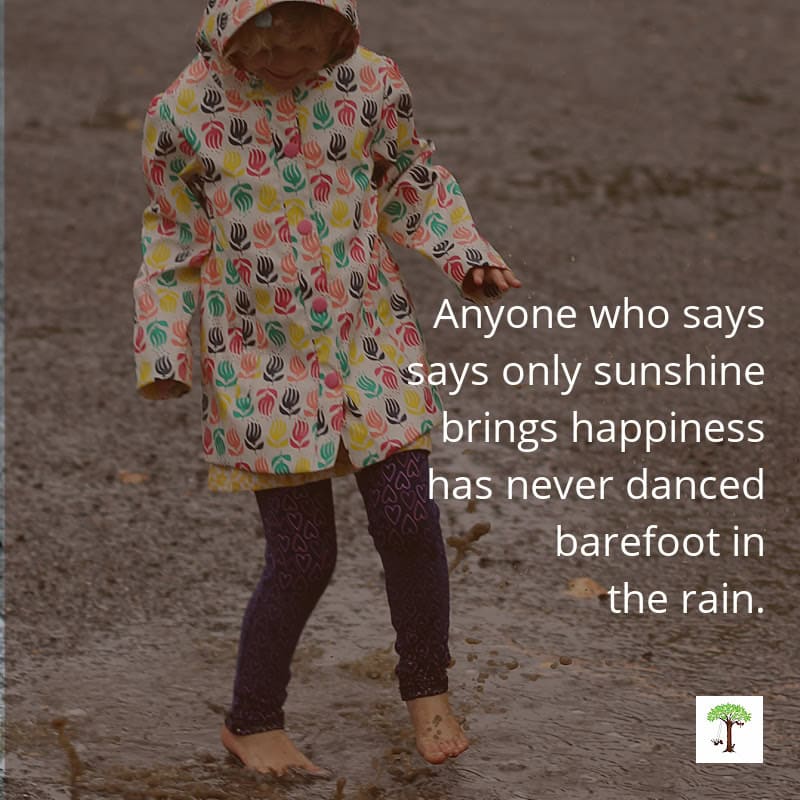
6. Play in the Rain:
Explore outdoor rainy-day play activities that will have your kids running for the back door when it rains! Rain can invite nature play in any season when the weather and local conditions are suitable.
Dress for the conditions and head outside to notice how rain changes familiar surroundings. Listen to drops tapping on leaves, watch ripples spread across a puddle, or follow the path water takes across the ground. Invite children to compare the sounds rain makes on different surfaces.
Children might enjoy splashing in shallow puddles, setting out containers to catch rain, or inventing a rainy-day game. Give them room to experiment and choose how wet they want to get. Watching from a sheltered spot can be part of the adventure, too.
Choose a familiar area away from traffic, drains, floodwater, and fast-moving water. Avoid puddles of unknown depth, head indoors if you hear thunder, and finish when children become cold or uncomfortable.
Explore our handy guide, Fun Ways to Play in the Rain, for more outdoor activities to enjoy together.
Forest School-Inspired Activities and Outdoor Play
Climbing trees, balancing on logs, rolling down hills, and building shelters give children opportunities to move, imagine, solve problems, and discover what they can do in nature’s jungle gym. Natural settings offer changing possibilities for outdoor play, from a fallen branch that becomes part of a fort to a grassy slope that invites children to roll down it.
These Forest School-inspired activities invite you to adapt to the children, the setting, and the conditions. Offer thoughtful guidance, choose appropriate challenges, and give children time to assess, try, and adjust their ideas. Let their interests help shape the adventure, with room to repeat a favorite activity or invent something new.
1. Climb a Tree
Tree climbing is an outdoor activity that gives developing children opportunities to practice balance, coordination, problem-solving, and judgment. Finding a foothold, planning their next move, and working out how to come down are all part of the adventure.
Let children begin at their own pace, with appropriate supervision and guidance. A first attempt might involve exploring low branches or finding a comfortable place to sit. Give them room to assess the challenge, ask for help, and decide when they’ve gone far enough.
Learn how to climb a tree, support your child’s first attempts, and discover more benefits of risky play in 15 Reasons to Climb a Tree.

2. Walk Across Fallen Trees and Logs
Here’s an exciting outdoor gross motor balance challenge for Kids. Walking across fallen trees or logs with support and guidance engages children’s kinesthetic sense—their awareness of body position and movement—and vestibular system, which helps with balance. It also gives them opportunities to practice coordination as they adjust their footing.
Choose a stable log close to the ground, with a clear landing area and a non-slippery surface. Let children begin at their own pace. They might start by stepping onto one end, moving sideways, or holding your hand before trying a few steps independently.
As a toddler, my daughter held my hand as she walked across familiar logs in the places we explored. We did this for a long time before I felt her balance was strong enough for me to step back and let her try on her own once she was a preschooler.
Invite them to notice how they adjust their feet, arms, and posture to stay balanced. Give them time to pause, find their footing, and decide whether to continue or step down. The challenge can grow as their confidence and abilities grow.
Explore our guide to walking across fallen trees and logs for more ideas.
3. Roll Down a Hill
Rolling downhill is a playful outdoor activity that gets children moving their whole bodies. The turning motion engages the vestibular system, which supports balance and orientation, while contact with the grass provides a tactile sensory experience.
Choose a gentle grassy slope, checking it first for holes, sharp objects, animal waste, and other obstacles. Make sure there’s plenty of clear space to stop at the bottom, away from roads, water, and steep drops.
Invite children to lie sideways near the bottom of the slope and try a short roll before deciding whether to start farther up. Give each child room to roll without colliding with others. Let them choose their own pace and stop whenever they’ve had enough—some children love the sensation, while others prefer to watch or try again another day.
Walking back uphill becomes part of the adventure, too! Learn more about this classic outdoor activity in Reasons to Go for a Roll Down a Hill.
4. Go Bouldering
Scrambling and climbing small boulders can turn an outdoor adventure into an engaging gross-motor challenge. Children can practice balance, coordination, planning, and problem-solving as they decide where to place their hands and feet.
Bouldering is climbing short routes without ropes, with landing areas protected by suitable mats or crash pads. Even a short fall can cause injury, so choosing an appropriate setting and learning to manage falls are essential first steps.
For younger children and beginners, start with low-level exploration rather than climbing toward the top. Moving sideways close to the ground can offer an interesting challenge. Let children choose whether to try a movement, repeat it, or come down, without pressure to climb higher.
Before outdoor climbing, have a knowledgeable adult assess the rock, route, landing area, and way down. Avoid loose or wet rock, exposed edges, and places where a fall could carry a child down a slope or into water. Keep other children and belongings clear of the landing area.
Outdoor bouldering requires appropriate crash-pad placement and, where needed, skilled spotting. Pads reduce some landing risks but do not prevent every injury. Spotting is a skill you learn from a qualified instructor, not something you can simply try to do by catching a falling child. The British Mountaineering Council’s outdoor bouldering guidance offers further advice on preparation.
Some playgrounds offer purpose-built climbing boulders, and climbing gyms provide age-appropriate instruction. A beginner session with a qualified instructor can help children and adults learn climbing movement, downclimbing, and landing skills before heading outdoors.
For more outdoor inspiration, visit our article about bouldering with kids.
5. Build an Outdoor Fort or Shelter
Encourage children to build an outdoor fort or shelter in nature using readily available supplies, such as sticks, leaves, and other natural materials. Building a fort or shelter invites problem-solving and creativity and gives children opportunities to explore basic engineering skills as they experiment with structure and stability.
Begin by choosing an appropriate place where building is permitted. Use plentiful fallen materials, leave living branches attached to trees, and avoid disturbing nests, burrows, or other wildlife shelters. Choose pieces children can comfortably carry and handle, with adult help as needed.
Let children’s ideas guide the design. Will they make a woodland hideaway, a pretend animal home, or a shelter for their toys? A miniature fort can offer younger children many of the same opportunities to plan, build, and invent stories without needing large branches.
As they build, invite children to consider what helps their structure stand. They might try a wider base, rearrange leaning sticks, or discover that some materials bend while others snap. Give them room to test and adjust their ideas while an adult checks stability. Keep structures low and lightweight, with a clear entrance, and avoid heavy overhead branches or climbing on the finished shelter.
Once the fort is ready, leave time for imaginative play. It might become a campsite, a storytelling nook, or the beginning of an adventure only the children could dream up.
This activity can deepen appreciation for nature and encourage environmental awareness through thoughtful use of materials. Before leaving, please dismantle temporary structures, return materials to where you found them, and don’t block paths or damage plants.
6. Play with Natural Materials
Sticks, stones, fallen leaves, seedpods, and other natural materials offer endless possibilities for outdoor play. These open-ended materials, sometimes called loose parts, can become whatever children imagine: a stick becomes a fishing pole, leaves become pretend money, and a collection of stones becomes a tiny village.
Begin with what is already available where play and gathering are permitted. Choose materials appropriate to the children’s ages and abilities, avoiding sharp pieces, unknown plants, and small objects for children who still put things in their mouths. Leave living plants and wildlife shelters undisturbed.
Give children time to explore without prescribing what to make. They might arrange patterns, build winding roads, invent a game, or create a small world for imaginary creatures. As their ideas develop, they can compare shapes, negotiate how to share materials, and experiment with different ways to build.
You don’t need to prepare a finished example or bring a basket of supplies. Notice what interests children, offer help when needed, and let the materials take on new meanings as play unfolds.
When it’s time to leave, follow local rules about returning or removing materials, and leave paths and growing plants clear. For more inspiration, explore our guide to natural play materials for open-ended play indoors and out.
Nature Games and Scavenger Hunts for Kids:
Playing nature games outdoors invites wonder and curiosity about Mother Earth. From catching falling leaves to searching for seasonal clues, these games encourage children to explore their surroundings and discover the plants, animals, rocks, and other wonders that make up the natural world.
Nature games offer an engaging way for kids of all ages to connect with nature through movement, observation, imagination, and play-based learning. Adapt the pace and challenge to the children joining you, and leave room for them to invent their own rules or follow an unexpected discovery.
The nature games and scavenger hunts below offer simple starting points for playing together outside. You might also enjoy this list of natural play materials you can use as open-ended toys and game pieces indoors and out.
1. Catch and Count Falling Leaves: Fall Leaf Counting Game:
Have you ever tried to catch autumn leaves as they fall to the ground? Counting and catching falling leaves is a fun gross-motor and nature-math game for kids to enjoy in the fall.
On a windy day, find a leafy tree with room to move beneath it, and watch for leaves fluttering down. Invite children to follow a leaf with their eyes and try to catch it before it reaches the ground. Some drift slowly, while others twist and tumble in unexpected directions, depending on the wind’s strength and direction.
Count each catch aloud or work together toward a shared total. Younger children might enjoy catching a single leaf with both hands, while older children can keep a tally or compare how many leaves they catch during different rounds. Leave plenty of space between players and keep the game playful rather than making every attempt about the score.
Afterward, compare the leaves you caught. Which is largest? How many colors or shapes can you find? Children may invent their own sorting game or simply want to keep chasing leaves. Explore more ways to play in Catch and Count Falling Leaves.
2. Play Stone Skipping Games:
Rock-skipping games are an engaging outdoor activity for all ages that can bring movement, observation, and nature math together. Children who are ready to throw stones with control can count skips, compare attempts, and invent challenges with friends or family.
Begin with a cooperative counting game: how many skips can you make together? Keep a running total or record each attempt with tally marks. Older children might compare results and work out the difference between rounds. A stone that splashes without skipping can still become part of the investigation—what might they try differently next time?
Leave time to experiment with the stones and throwing technique. Invite children to notice how a stone’s shape, the throw’s angle, or the water’s surface affects what happens. Keep the challenge friendly, with room to practice without turning every throw into a competition.
Choose a permitted location with stable footing and a clear throwing area, away from swimmers, boats, and wildlife. Have one person throw at a time, with everyone else safely behind the thrower, and supervise children closely around water.
For instructions, more rock-skipping games, and the science behind the skips, explore Skipping Rocks: The Art and Science of Skipping Stones.
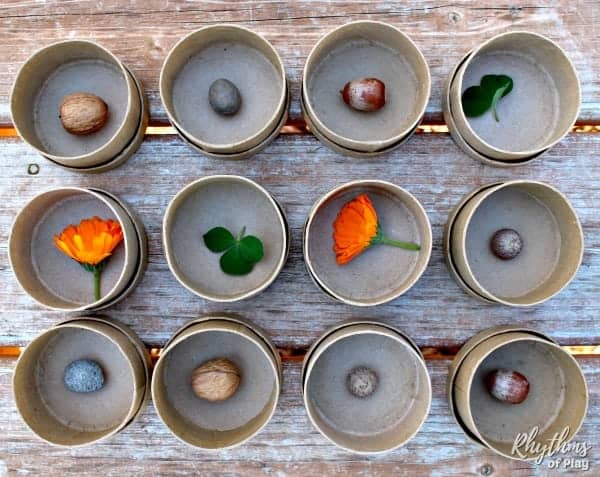
3. Make a Nature Memory Matching Game:
Exercise your brain and test your memory with this fun twist on classic memory games. Using items found in nature gives children opportunities to explore textures, shapes, and colors as they play.
Choose pairs of suitable natural objects that look alike, and gather them only where permitted. Invite children to examine and compare the pairs before hiding them for a matching game. Natural objects rarely look exactly the same, so deciding what makes a match can become part of the fun.
Start with a few pairs for younger children, then add more as they get familiar with the game. Take turns uncovering two objects, noticing their features, and remembering where each one belongs. You can also play cooperatively and help each other find all the matches.
For toddlers or children new to matching games, leave the objects visible and start by finding pairs together. Choose materials appropriate for the children’s ages, and avoid small pieces for anyone who still puts objects in their mouth.
Follow the instructions to make your own DIY Nature Memory Matching Game for Kids, as shown in the photo below.
4. Nature Scavenger Hunts:
Nature scavenger hunts appeal to children’s natural interest in discovering the many clues they can see, hear, and feel in the natural world. These outdoor games spark wonder and curiosity as children learn about plants, insects, and animals while building observational skills.
Start with a few things to notice, like a heart-shaped leaf, birdsong, or signs of the changing season. Children can point to discoveries, describe them, draw them, or take photographs. There’s no need to collect everything they find; leave living things and their habitats undisturbed.
Adapt the hunt to the children’s interests and abilities. Younger children may enjoy searching together for a color or texture, while older children can investigate tracks, identify plants, or create clues for one another. Leave room to pause when an unexpected discovery captures their attention.
Invite children to discover the magic and wonder of the natural world with the creative nature scavenger hunt ideas for kids below. Choose a sensory adventure, search for shapes and colors, watch for birds, or explore the signs of a new season.
Sensory Nature Scavenger Hunts
Invite children to notice colors, textures, sounds, and other sensory details as they explore.
- Sensory Card Nature Scavenger Hunt for Toddlers: Make a nature sensory card together, then accompany children as they look for natural materials to explore.
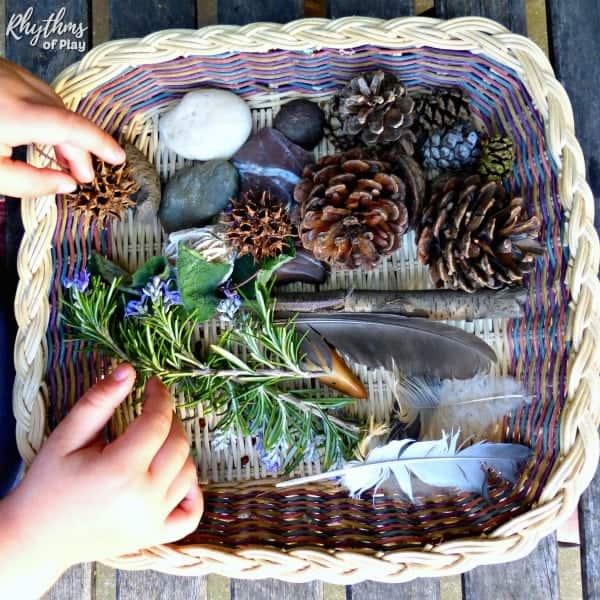
- Nature Sensory Bin Scavenger Hunt: Gather suitable natural items where collecting is permitted to create a nature-inspired sensory bin, as shown in the photo below. Choose materials appropriate to the children’s ages and supervise their exploration.
- Fall Sensory Scavenger Hunt: Explore autumn through the colors, sounds, scents, and textures around you. Invite children to slow down and notice the sensory details that make fall special where you live. Get the printable Fall Sensory Scavenger Hunt and Nature Journal Prompts in the Rhythms of Play Learning Center.
Shape and Color Nature Hunts
Have you ever been on a scavenger hunt for colors or shapes? A familiar path can offer surprising discoveries when you look at it differently.
- Heart-Shape Nature Scavenger Hunt: My daughter and I love looking for hearts in nature. Explore our discoveries and watch the video we made, then see what heart shapes you can find.
- Try a color hunt using a color children choose, or look for circles, spirals, and other shapes. Point to or photograph discoveries so growing plants can stay where you find them. Alternatively, get the printable Fall Color Scavenger Hunt in the Rhythms of Play Learning Center.
Birdwatching Scavenger Hunts
Look and listen for birds, noticing their colors, calls, movements, and behavior. Watch from a respectful distance and leave nests undisturbed.
- Birding Scavenger Hunts: Visit our bird-watching activities and lessons for kids for birding scavenger hunt ideas you can adapt to your backyard, neighborhood, or local park.
Seasonal Nature Scavenger Hunts
Invite children to witness nature’s transformation as one season gives way to the next. Return to familiar places and look for changes in leaves, flowers, wildlife, weather, and light. Follow the clues where you live; seasons unfold differently from place to place.
Explore these seasonal activity guides:
- Fall: Search for Signs of Autumn and Fall Scavenger Hunt Ideas and Activities.
- Winter: Search for Signs of Winter and Winter Scavenger Hunt for Preschoolers.
- Spring: Search for Signs of Spring and Spring Scavenger Hunt for Preschoolers.
- Summer: Signs of Summer Scavenger Hunt and Summer Scavenger Hunt for Preschoolers.
For downloadable resources, explore the Seasonal Nature Scavenger Hunt Printable Library in the Rhythms of Play Learning Center.
Nature Study Ideas for Kids:
We have a few nature study ideas to get you started on your outdoor science learning adventures. Nature study starts with paying attention: watch a squirrel’s behavior, examine a leaf, or wonder what changed in a familiar place.
Learn from and with nature using the engaging nature study ideas for kids below. Follow children’s questions, offer simple tools when useful, and give them time to observe, compare, and investigate. They can draw discoveries, record observations, or simply talk about what they notice.
You don’t need special equipment to begin observing nature. A notebook, pencil, and a closer look can lead to discoveries. To support children’s growing interests, explore The Best Nature Study Supplies for Kids and see what we like to keep in our nature backpacks.
For more activities and resources, explore our Nature Study Resource Guide.
1. Keep a Nature Journal
Nature journals are a great place for children to record their observations of the natural world. They are also excellent for creating artwork when out in nature. A simple notebook or sketchbook gives children somewhere to draw discoveries, collect questions, and remember experiences they want to revisit.
Invite children to begin with something that catches their attention: the shape of a seedpod, ripples on a pond, or a bird perched nearby. They might sketch what they see, describe a sound, or note the date and weather. Younger children can tell you what they notice while you write down their words.
Leave room for different ways of keeping a journal. Some children enjoy detailed drawings and written observations, while others prefer quick sketches, maps, poems, or stories inspired by their discoveries. Not every page needs to look the same, and not every outing needs to produce an entry.
Returning to earlier pages can help children notice changes over time and revisit questions they still want to explore. For more ideas and ways to get started, visit our guide to nature journaling for kids and adults.
2. Enjoy Birdwatching Activities and Lessons:
Birdwatching, also known as birding, is a fun outdoor wildlife observation activity for children from toddlers to teens. Kids can watch and learn about birds in their backyards, neighborhoods, local parks, and nature reserves.
Begin by noticing the birds around you. Watch how they move, listen to their calls, and look for differences in size, color, and shape. You don’t need to identify every bird to enjoy observing it. Even a familiar bird can offer something new each time you watch.
Invite children to follow a question that interests them. What is the bird eating? Does it hop, walk, or run? Where does it perch? Younger children might enjoy describing its movements, while older children can use a field guide, sketch their observations, or keep a tally of the birds they see.
Binoculars can help you see more closely, but you don’t need them to get started. Choose a comfortable place to watch, move quietly, and give birds plenty of space. Leave nests undisturbed and let birds continue their normal activities.
For simple birding lesson plans, games, and more observation ideas, explore our guide to birdwatching with kids. It includes simple birding lesson plans and ideas.
3. Observe Squirrels and Their Behavior:
Invite children to learn about squirrels through fun facts, squirrel-themed teaching ideas, outdoor activities, and enjoying squirrel crafts for kids. Start by observing squirrels in your backyard, neighborhood, or a nearby park.
Watch what they do as they move through their surroundings. Do they search for food, dig, climb, groom, or pause to look around? Invite children to describe what they notice and wonder what the squirrel might do next. Observe from a respectful distance without feeding, chasing, or touching them.
Turn your observations into a simple counting activity with the Printable Squirrel Behavior Tally Sheet from the Rhythms of Play Learning Center. Invite kids to count the common squirrel behaviors they notice. Younger children can name or point out behaviors while an adult records them; older children can keep their own tallies and compare observations from different visits.
Follow their curiosity with more squirrel-themed nature study ideas, outdoor learning activities, and creative projects in Squirrel Facts and Fun Ways to Learn All About Squirrels.

4. Observe Bees and Explore Pollination
Watching bees is an excellent way for children to learn about pollination and more! Visit a flowering garden or another place where bees are active, and pause at a comfortable distance to watch them move among the blossoms.
Invite children to notice which flowers the bees visit, how they move, and how long they stay. Can they see pollen on a bee’s body or legs? As bees visit flowers to gather food, they can carry pollen between flowers, helping many plants produce seeds and fruit.
Follow a question that captures children’s interest. Do bees visit every kind of flower in the garden? Do they return to the same patch? Children can sketch a flower, tally visits to a small group of blossoms, or compare observations on another day.
Give bees plenty of space, keep their flight paths clear, and watch without touching, catching, or disturbing them or their nests. Children who are uncomfortable can observe from farther away or explore photographs together. For more nature study inspiration, visit Observe Bees.
5. Investigate Worms
Learn how worms enrich the soil and support your garden’s growth. Looking for earthworms gives children chances to explore the living world beneath their feet and see how small creatures break down dead plant material.
Begin in a garden bed or another place where gently exploring the soil is permitted. Look in moist soil or beneath fallen leaves, taking care not to disturb growing plants. Invite children to notice the worm’s segmented body and watch it stretch and contract as it moves.
If children want a closer look, place a worm briefly on a tray with moist soil, keeping it shaded and damp. Handle it gently with moist hands, then return it promptly to where you found it. Children can also observe without touching.
Follow their questions. How does a worm move without legs? Where do you find more worms—dry ground or damp soil? Explain that earthworm burrows create spaces for air and water to move through soil, while their feeding and castings help cycle nutrients.
Draw a discovery in a nature journal or revisit the same patch of soil another day. For more outdoor learning ideas, explore Investigate Worms.
Outdoor Science, STEM and STEAM Activity Ideas for Kids:
There are numerous enjoyable ways to learn and interact with nature. These outdoor learning ideas invite children to explore science, technology, engineering, art, and math through hands-on discoveries.
Watch a shadow change, investigate what helps a kite fly, compare rocks, or experiment with balance. Encourage children to share their questions, make predictions, try different approaches, and notice what happens. An unexpected result can offer another starting point for exploration.
Try the educational outdoor science, STEM, and STEAM activities below, adapting the challenge to children’s interests and abilities. You can also revisit the stone-skipping games earlier in this guide to investigate how a stone’s shape and throwing angle affect its movement across water.
1. Explore Shadows and Sunlight
Explore how sunlight, objects, and shadows change with these fun outdoor science activities for kids. A sunny patch of ground lets kids notice shapes, compare lengths, and investigate how shadows move throughout the day.
Begin with your own shadows. What happens when children stretch their arms, turn sideways, or move to a different spot? Invite them to predict how a movement will change their shadow, then try it and compare what they notice.
Choose a stationary object, such as a fence post, and return to observe its shadow at different times. Children can mark the shadow’s position with chalk where permitted, measure its length, or sketch it in a notebook. Keep the object and observation spot the same so they can compare changes.
Explain that shadows form when an object blocks light. As the Sun moves across the sky, the direction and length of shadows change, too. Observe the effects on the ground without looking directly at the Sun. For more ways to investigate light and shadows through outdoor learning and play, explore Fun and Educational Shadow Activities for Kids.
2. Fly a Kite and Explore the Wind
Flying a kite is a classic outdoor activity that lets children play with the wind and explore what keeps a kite in the air. Watching it rise, dip, and change direction offers opportunities to explore movement, weather, and how pushes and pulls affect it.
Before launching, notice signs of wind around you. Are leaves fluttering or branches swaying? Which direction is the breeze coming from? Invite children to predict whether the conditions will help their kite fly, then observe what happens when they try.
Follow the kite’s instructions for launching and suitable wind conditions. Children can experiment with small adjustments to the line and notice how the kite responds. Older children might compare flights on different days, record the weather, and describe what worked.
Choose a wide, open area away from roads, power lines, trees, and other people. Fly in suitable weather, never during a thunderstorm, and use ordinary kite line rather than wire or metallic line. If a kite becomes caught near power lines, leave it and contact the utility company. For more tips and playful ways to get started, explore our guide to kite flying with kids.

3. Make a Human Sundial
Turn your shadow into part of an outdoor science experiment by making a human sundial. This hands-on activity invites children to explore how the Sun’s changing position in the sky affects the direction and length of their shadows throughout the day.
Choose a sunny, open space where you have permission to make temporary chalk marks. Mark a place for one child to stand, then trace their shadow or mark where its tip reaches. Record the time beside the mark.
Return at different times during the same day, having the same child stand in the same spot and position each time. Before making another mark, invite children to predict where their shadow will fall. What has changed since the last visit? When was the shadow longest or shortest?
Explain that Earth’s rotation makes the Sun appear to move across the sky, changing the shadows we see on the ground. Your marks record those changes. Observe the shadows without looking directly at the Sun. Follow the instructions in our Human Sundial Science Experiment for the complete activity.
4. Sort and Classify Rocks
Sorting and classifying rocks is a hands-on outdoor science activity that invites children to look closely, compare features, and discover patterns. Even a small collection offers plenty to explore through nature play, early math, and geology.
Begin with rocks you already have or gather a few loose stones where collecting is permitted. Leave rocks that form wildlife shelters, streambeds, or other sensitive features undisturbed. Choose pieces appropriate for the children’s ages, and avoid small stones for anyone who still puts objects in their mouth.
Invite children to notice differences in color, size, shape, texture, and visible patterns. How could they arrange their collection? Younger children might group smooth and rough stones, while older children can explain their sorting rules and try organizing the same rocks another way.
There may be several reasonable ways to classify one collection. A speckled stone could belong with other speckled rocks, small rocks, or rounded rocks, depending on the feature children choose. Comparing these possibilities gives them opportunities to describe observations and explain their thinking.
For more ways to explore rocks through outdoor learning, visit Sorting and Classifying Rocks: Geology for Kids.
5. Explore Balance with Stone Stacking:
Rock balancing and stone stacking bring science, engineering, art, and math together in an outdoor STEAM activity. Invite children to experiment with how stones rest against one another, discovering what helps a stack stand and what makes it topple.
Begin with a few stones you already have or gather suitable loose stones only where permitted. Many land managers, conservation groups, and outdoor enthusiasts discourage rock balancing and stone stacking because moving rocks can disturb habitats, expose soil to erosion, damage cultural or geological features, and confuse hikers when stacks resemble trail markers.
Many national parks, protected areas, beaches, waterways, and other locations around the world also prohibit the practice, so always check local rules first. Build on a level surface away from paths and water, and leave streambeds, wildlife shelters, and existing trail markers undisturbed. Choose stones children can comfortably handle, and keep stacks low to reduce the risk of rocks falling onto fingers or feet.
Let children try their own arrangements where this activity is allowed. Does a wide, flat stone make a useful base? What happens when they turn a stone or shift its position? Encourage them to pause, observe, and adjust their design. A toppled stack offers another chance to investigate balance and stability.
Some children may enjoy making a small sculpture, while others want to compare heights, count stones, or test different bases. Leave room for both artistic exploration and engineering challenges, as my daughter demonstrates in the photo below.
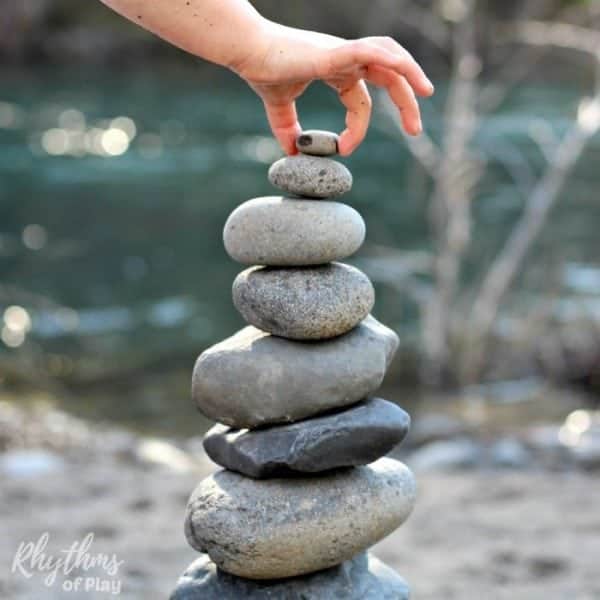
In natural areas, follow local regulations, dismantle your creations before leaving, and gently return stones to where you found them. If rock stacking isn’t permitted, use stones from your own collection or try the activity at home with blocks, wooden pieces, or other materials. For more ideas, explore Rock Balancing and Stone Stacking: A STEAM Activity.
Related: Rainbow Science and STEAM activities
Nature Art and Outdoor Creative Activities
Nature arts and crafts give children—and adults, too!—opportunities to explore textures, shapes, colors, and patterns while making something of their own. Working with natural materials such as acorns, pinecones, and fallen leaves builds fine motor skills as children arrange, thread, press, and build.
Use nature’s treasures to inspire children’s arts and crafts, leaving room for their own ideas. Gather only where permitted, choose materials appropriate to the children’s ages, and leave living plants and wildlife shelters undisturbed. Drawing or painting outdoors also lets kids create without collecting anything.
Explore our collection of Nature Crafts and Nature Art Activities for more inspiration. If children would enjoy making something to share, you might also like these homemade gifts kids can make.
1. Make Nature Mandalas:
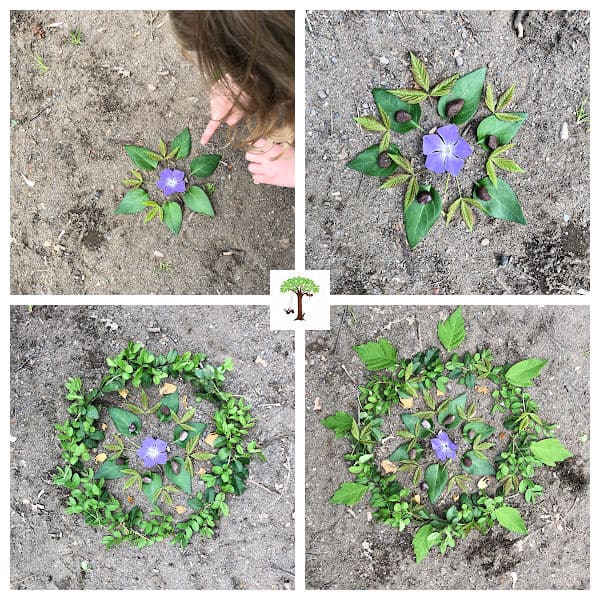
Gather nature’s treasures outside to make a mandala with real natural materials. Fallen leaves, petals, twigs, seedpods, and stones offer colors, shapes, and textures children can arrange into circular designs.
Choose a place where gathering and arranging materials is permitted, or use natural materials you already have. Leave growing plants and wildlife shelters undisturbed, and select pieces appropriate to the children’s ages.
Begin with a central object and invite children to arrange materials around it, working outward in circles. They might repeat a pattern, explore symmetry, or let the design develop freely as they notice how different pieces fit together. No one needs a perfect result; just enjoy the meditative process.
Create individual mandalas or work together on one larger design. Children can count objects, compare sizes, and share ideas as they build a temporary work of nature art.
Photograph the finished mandala for a keepsake. Before leaving, follow the site’s rules for returning materials, and keep paths and growing plants clear. Learn how to create Nature Mandalas in our comprehensive guide.
2. Create Sunprints:
Get sunprint paper and invite children to play by placing natural items on it and exposing it to sunlight. Sunprint paper brings art and science together outdoors as children discover how light-sensitive paper records the shapes of objects.
- Try fallen leaves, small twigs, or other suitable natural materials gathered where permitted. Invite children to notice their outlines and predict which details will appear in the finished print.
- Follow these simple steps, checking your paper’s instructions for preparation, exposure, and rinsing times:
- Arrange the materials away from sunlight. Place the paper on a firm backing and invite children to arrange their objects before the paper begins exposing.
- Hold the design in place. If your kit includes a clear acrylic pressing sheet, use it as directed to keep flat objects against the paper.
- Expose the paper to sunlight. Watch for the color change described in the manufacturer’s instructions.
- Remove the objects and rinse the paper. Follow the recommended rinsing method and watch the print develop.
- Lay the print flat to dry. Compare the finished shapes with the objects children used.
Children can experiment with overlapping objects, different arrangements, or a second print with a changed exposure time. What happens to the outlines and details? For a complete walkthrough, explore the Sunprint manufacturer’s instructions.
3. Make Rain Art:
Rain painting is an engaging way to learn on a rainy day. Place marker drawings and doodles outside so the rain transforms them into rain art. Watch colors spread, mingle, and change as raindrops land on the paper.
Begin with washable, water-based markers and sturdy paper. Invite children to experiment with lines, dots, shapes, or a colorful design of their own. Place the artwork flat outside where it can catch raindrops, and bring it back in when children are happy with the effect, before the paper becomes too saturated to lift.
Notice how the amount of rain changes the results. A light drizzle may leave scattered speckles, while larger drops can create spreading patches of color. Children can predict what might happen, compare designs, or leave a second drawing outside for a different amount of time.
Observe from a doorway or sheltered spot so children can enjoy the experiment without getting wet if desired. Once the artwork is indoors, lay it flat to dry and look closely at the patterns the rain has made. Learn more about this outdoor art project in Rain Painting, a rainy-day STEAM activity for kids.
4. Explore Shadow Art
Turn shadows into artwork with an outdoor STEAM project that combines drawing, observation, and imagination. A sunny day offers opportunities to explore how light creates shapes that children can trace and transform.
Choose a flat drawing surface where shadows fall clearly. Arrange suitable objects beside a sheet of paper, or use chalk on pavement where drawing is permitted. Invite children to move or turn an object and notice how its shadow changes before choosing an outline to trace.
Look closely at the shapes. Which details appear in the shadow, and which disappear? Children might trace the same object from different positions, overlap outlines, or turn a shadow into an imaginary creature or landscape.
Leave an object in place and return later to compare its shadow with the original drawing. This adds a science investigation to the art experience as children notice changes in direction and length. Observe the shadows on the ground without looking directly at the Sun.
For instructions and more ways to create with light and shade, explore our Shadow Art STEAM Project.
5. Make Mud Pies and Other Mud Creations:
Making mud pies and other creations with water and dirt is a classic old-school nature activity for kids. Playing with mud and creating art with your hands offers a sensory play experience that lets kids explore texture, experiment, and imagine.
Begin with soil from a suitable play area, free from animal waste, sharp objects, and known chemical contamination. Gradually add water and invite children to stir, scoop, pat, and shape the mixture. What happens when they add more water or a little more soil?
Offer a few simple tools, such as buckets, spoons, and reusable containers. Children might open a pretend bakery, sculpt a creature, or build a miniature landscape. Fallen leaves and other suitable natural materials can become decorations where gathering is permitted.
Let children choose how to participate. Some enjoy squishing mud between their fingers, while others prefer mixing with a spoon or shaping it with a scoop. Leave room for their ideas and for the creations to change as they play.
Keep mud creations for pretend play rather than tasting, cover cuts before playing, and wash hands with soap and water afterward. Visit How to Make Mud Pies for step-by-step instructions and more nature art and sensory play ideas.
Seasonal Art Projects for Kids:
Creating seasonal art is an excellent way for children to learn about nature and the changing seasons. Notice the colors, shapes, light, and weather where you live, then invite children to bring those observations into their artwork.
Some projects can happen outdoors; others let you revisit outdoor discoveries at an indoor art table. Explore these collections and creative ideas:
- Fall Art Projects for Kids
- The Best Winter Art Projects for Kids
- Rainbow Art Projects, Crafts, and Painting Ideas
- Flower Art Projects and Painting Ideas
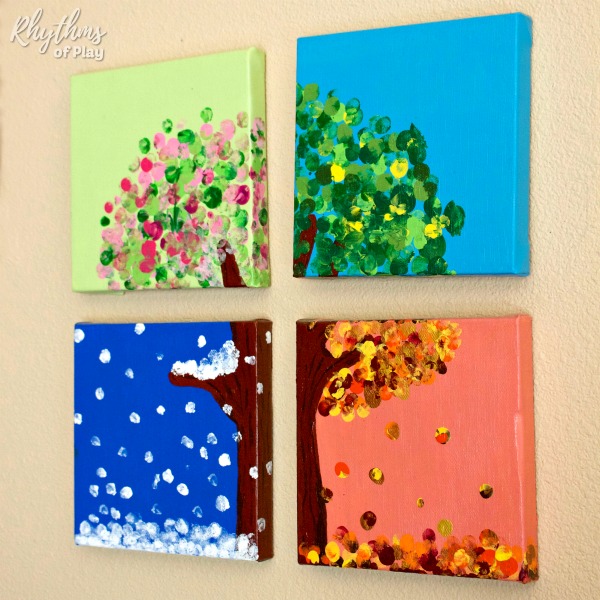
- Four Season Handprint and Fingerprint Tree
Outdoor Gardening Activities for Kids:
A garden is a fantastic place for children to plant the seeds of their learning. Digging, sowing, watering, and watching plants grow offer hands-on ways to explore nature, build new skills, and help care for a living space. Homegrown gardens also offer plenty of opportunities to explore early literacy, math, and science concepts. Reading seed packets, counting seeds, comparing growth, and watching pollinators visit bring learning into everyday gardening.
Gardening and composting in our backyards are arts worth keeping alive and sharing with the next generation. Join us! When children learn to grow and harvest the food they eat, they can move their bodies, explore new foods, and understand the care that goes into growing them. Learning to tend soil, conserve resources, and care for living things can also benefit our shared planet.
Gardening and composting help children discover how soil, water, sunlight, plants, and other living things work together. Start with a pot, a small garden bed, or a shared growing space. Invite children to help choose what to grow and care for it. Give them time to notice changes, ask questions, and enjoy the discoveries that come with tending a garden.
Start nurturing nature’s cycles with hands-on gardening activities at home, in your homeschool, classroom, or outdoor classroom. Explore the ideas below and choose a project that suits your space, season, and children’s interests. Discover more creative ideas—in addition to or instead of gardening—to become a way-shower for the next generation in your neck of the woods, whether rural, urban, suburban, or city.
1. Plant Flowers with Kids
Planting flowers with kids brings color, curiosity, and hands-on learning to a garden, container, or outdoor classroom. Children can help choose flowers, prepare the soil, plant seeds or seedlings, and care for them as they grow.
Choose flowers suited to your local climate, season, and available sunlight. Look for noninvasive varieties suited to your local climate, and consider native flowers that provide food for pollinators. A pot or small garden patch is enough to begin.
Read the planting instructions together and invite children to help measure spacing, count seeds, or make plant labels. Follow the recommended planting depth and watering guidance, giving children manageable jobs and room to practice.
Return regularly to notice what changes. Are new leaves appearing? How does a bud look before it opens? Children can sketch the flowers, compare colors, or observe insects visiting the blossoms.
Leave time to enjoy what you’ve grown together. Follow our guide, Planting Flowers with Kids, for more gardening ideas and instructions.
2. Plant a Tree
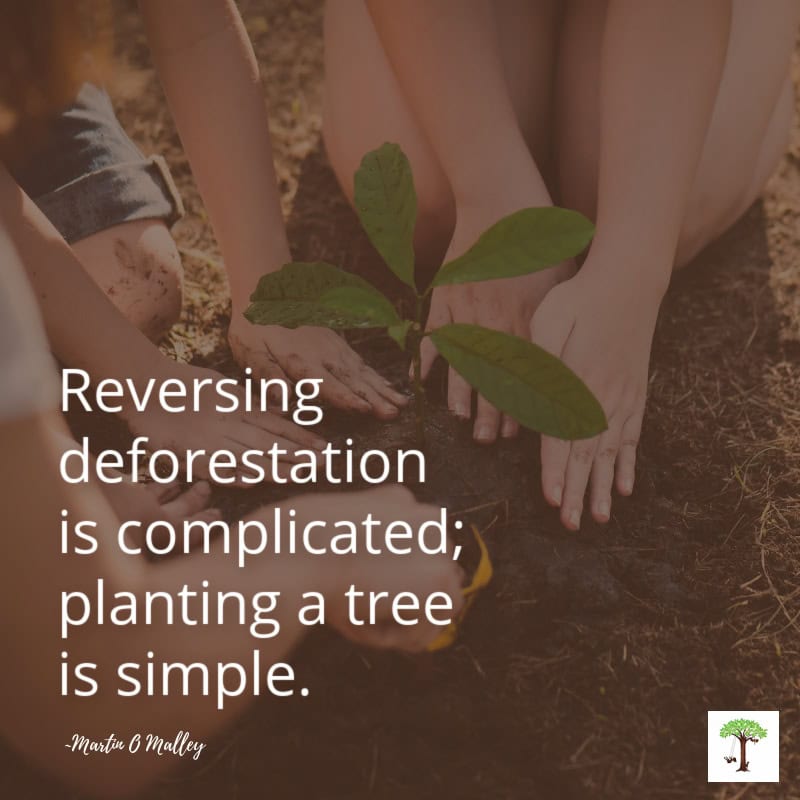
Planting a tree with children is an opportunity to care for the Earth and watch something grow for years to come. From choosing a suitable tree to watering and observing it through the seasons, children can take part in a project that reaches beyond a single afternoon.
Choose a tree suited to your local climate and available space, considering its mature height, spread, and growing needs. Locally native species can be a good starting point. Get permission to plant, check for underground utilities before digging, and ask a local nursery or extension service for advice on the site and planting season.
Invite children to participate in age-appropriate ways, such as helping measure the planting space, gently backfilling soil, or watering under adult guidance. Follow planting instructions appropriate to the tree, keeping its root flare—the point where the trunk widens into roots—at ground level.
Make tree care part of the experience. Return to check soil moisture, notice new growth, and watch for seasonal changes. Children might draw the tree each year or record when its buds open and leaves change.
You don’t need to wait for Arbor Day to begin planning. Explore How to Plant a Tree for more ideas about planting and caring for a tree together.
3. Explore Composting with Kids
Composting with kids offers a hands-on way to explore decomposition, reduce waste, and care for the soil. Children can discover how food scraps, fallen leaves, and other organic materials gradually become compost that supports a growing garden.
Begin with a composting method that suits your space, such as a backyard bin or tumbler. Invite children to help sort materials and learn what belongs in your system. In a typical home compost bin, fruit and vegetable scraps are “greens,” while dry leaves and plain shredded cardboard are “browns.” Keep meat, dairy, greasy foods, and pet waste out, and follow your system’s guidance.
Give children manageable jobs, such as carrying a small container of scraps, adding dry leaves, or helping an adult mix the materials. Keep the pile moist, not soggy; use suitable tools; and wash hands with soap and water afterward.
Return to notice changes. Do the original materials still look the same? What happens to their texture and volume over time? Explain that decomposers break down organic matter, cycling nutrients back into the soil.
When the compost is ready, use it in your garden and let children see how their contributions help grow something new. Explore Composting with Kids for more ways to close the circle between food, soil, and garden.
Related: 15 Ways to Raise a Helper
4. Grow Tomatoes
Growing tomatoes with kids connects the food on their plates with the plants and care that produce it. From planting to harvesting, a tomato plant offers opportunities to observe growth, practice responsibility, and enjoy something you’ve grown together.
Choose a variety suited to your climate and growing space. Some tomatoes grow well in containers, while others need more room and sturdy supports. Starting with a young plant can make the process more manageable for beginners; growing from seed offers a longer project.
Invite children to help prepare the growing space, plant, water, and make a label. Follow guidance for your variety and local planting season, place plants where they get enough sunlight, and protect them from cold.
Return regularly to look for new leaves, flowers, and developing fruit. Children can compare sizes, sketch changes, or record when the first tomato begins to ripen. Wonder together about how a small flower becomes something they can eat.
With adult guidance, harvest ripe tomatoes, wash them, and enjoy them together. Explain that tomato leaves and stems are not for eating. Explore How to Start Tomatoes for more organic gardening ideas and planting guidance.
5. Grow Sunflowers (and Make a Sunflower fort)
Growing sunflowers with kids brings sunshine to your garden and gives children a plant they can watch grow from a seed into a towering stem—or a smaller bloom that fits a container. Their large seeds and noticeable growth offer plenty of opportunities for hands-on outdoor learning.
Choose a sunflower variety suited to your space, checking its expected height, spacing, and sunlight needs. Invite children to help plant according to the seed packet’s directions, water gently, and mark the spot so they can return to watch for seedlings.
As the plants grow, compare leaf sizes, measure their height, or draw their changing shapes. Can children find a bud beginning to form? What changes as the flower opens? Older children might keep a growth record, while younger children enjoy checking whether the plant has grown taller than they are.
Watch for bees and other visitors around the blossoms, giving them space to feed. If conditions allow, leave some mature seed heads for birds and observe who visits.
For a larger gardening project, plant tall varieties in a circle to create a sunflower house, a living play space children can enjoy. Explore Growing Sunflowers with Kids for planting instructions and more ideas.
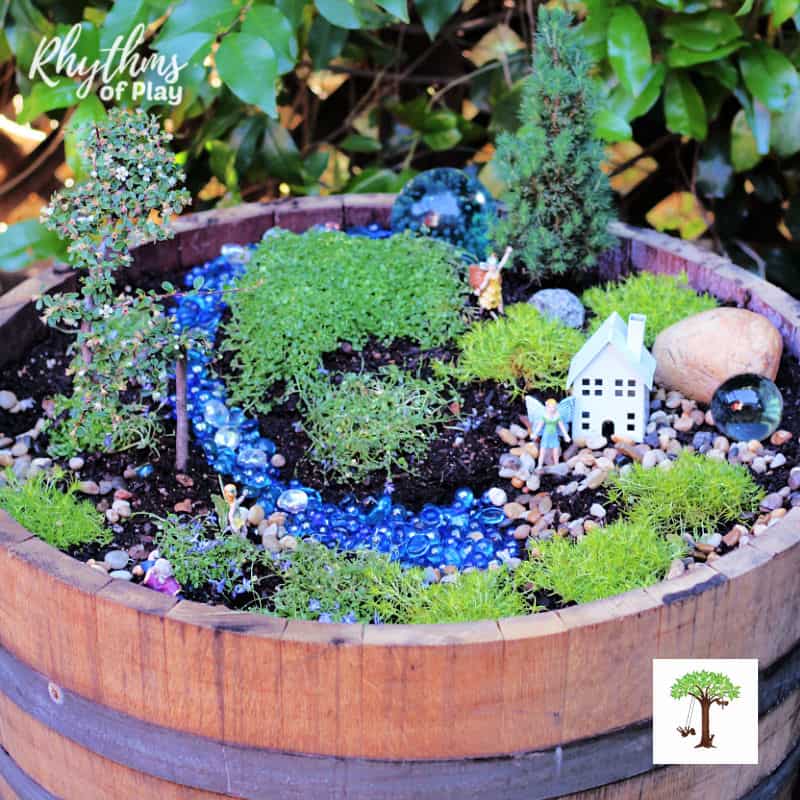
6. Make a Fairy Garden
Making a fairy garden brings gardening, storytelling, and imaginative play together in a miniature world children can help create and care for. A container, a small garden bed, or a quiet corner of your growing space can become the setting for tiny paths, leafy hideaways, and adventures of their own invention.
Start by choosing plants suited to the location, light, and space available. If you’re using a container, make sure it has suitable drainage. Invite children to help arrange the plants, gently settle them into the soil, and water them as needed.
Let their ideas guide the design. Who might live here? Where would a path lead? Children can make small features from suitable materials they already have or fallen natural items gathered where permitted. Keep room around growing plants so they can be watered and cared for.
Choose decorations appropriate to the children’s ages, and avoid small, loose pieces for anyone who still puts objects in their mouth. Use materials that can withstand outdoor conditions, and avoid loose glitter or decorations that could scatter into the garden.
Return to tend the plants and continue the story. The garden can change with new growth, the seasons, and children’s play. Follow How to Make a Fairy Garden for instructions and more inspiration.
Nature Activities for All Seasons:
Celebrating the changes that occur throughout the year and observing seasonal shifts is a great way to teach children about the natural world’s annual transformations and bring more meaning to family life.
Each season offers chances to get outside, notice changes, and discover something new. From spring blossoms and summer adventures to falling leaves and winter skies, nature’s annual transformations invite children to explore the world around them.
The seasonal activity guides, traditional celebrations, and books below offer ways to follow these changes and bring more meaning to family life. Choose ideas that suit your interests, local climate, and the seasonal signs where you live.
Return to favorite places throughout the year, revisit activities children enjoy, and leave room for new traditions to grow.
Dress for the Weather and Get Outside
You don’t have to wait for a warm, sunny day to get outside. Misty mornings, rainy afternoons, snowy landscapes, and blustery walks offer different ways to experience nature. Kids don’t need sunshine to enjoy the great outdoors. The right clothing and gear can go a long way toward keeping everyone comfortable and faces smiling.
Choose layers, footwear, and weather protection suited to your local conditions. Waterproof outerwear can make puddle play more inviting, warm layers help on chilly outings, and shade, sun hats, and drinking water support warmer-day adventures. Keep spare clothes handy when getting wet or muddy is part of the fun.
Follow children’s comfort and adjust your plans as needed. A short walk followed by dry clothes and a warm drink may suit the day better than a long outing. You can also enjoy the sound of rain or watch clouds from a sheltered spot.
Some days call for staying indoors. Thunderstorms, dangerous winds, extreme temperatures, flooding, and unhealthy air quality require more than proper gear. Check local guidance, head inside when conditions become unsafe, and save the next adventure for a better moment.
The goal is to feel prepared to enjoy more kinds of weather—and discover what each season offers. Keep faces smiling by wearing outdoor clothing to suit the season, conditions, and temperature. As the Swedes like to say, “There is no such thing as bad weather, only bad clothing.”
Fun Seasonal Activities To Do with Kids:
Explore outdoor adventures, creative projects, and family activities for every season with the guides below. Each includes a printable bucket list to gather ideas, remember favorites, or mark experiences you’ve enjoyed together. Choose what fits your family and leave room for discoveries along the way.
- Summer Activities for Kids
- Fall Activities for Kids
- Winter Activities for Kids
- Spring Activities for Kids
Seasonal Celebration Ideas:
Celebrating seasonal changes can deepen children’s connection with nature and bring more meaning to family life. Notice the year as it unfolds by observing the changing light, spending time outdoors, and returning to favorite traditions.
Explore the solstice and equinox celebrations and cross-quarter festivals associated with the “Wheel of the Year,” along with lantern walks and an Advent spiral tradition. Choose ideas that reflect your family’s beliefs and interests, and adapt seasonal activities to your climate and local natural rhythms.
- Winter Solstice Celebration Ideas
- Imbolc Traditions and Celebration Ideas
- Ways to Celebrate the Spring Equinox
- May Day Traditions and Celebration Ideas
- Summer Solstice Celebration Ideas
- Celebrate Lughnasadh or Lammas
- Ways to Celebrate the Fall Autumnal Equinox
- Samhain Traditions and Celebration Ideas
- Traditional Fall Lantern Walk Celebration Ideas
- Stone Spiral Advent
A celebration can be as simple as a seasonal walk, a shared meal, or a moment to notice what has changed since your last visit outdoors. Leave room for children to help shape the traditions you enjoy together.
Seasonal Books for Kids:
Reading seasonal books with your children is a beautiful way to share the wonder and magic of nature and the changing seasons. Stories can introduce something to look for outdoors, help children revisit a discovery, or inspire questions about the world around them.
Choose a book before a nature walk, bring one outside to read together, or settle in with a story after an afternoon of exploring. Invite children to connect the pictures and words with what they notice where you live.
For more stories to enjoy together, explore Kids’ Books That Teach Important Life Lessons.

DIY Outdoor Play Areas and Backyard Learning Spaces
Outdoor play spaces give children opportunities to move, create, investigate, and learn through play in spring, summer, fall, and winter. You don’t need a large backyard or a complete playground to begin. A place to dig, a surface for making art, or a small growing space can invite hours of exploration.
The ideas below offer inspiration for families, homeschoolers, nature school preschools, forest school kindergartens, and outdoor classrooms. Choose features that suit the children’s interests and abilities, your available space, and how you’ll use the area.
Begin with a few useful features and leave room for children to invent their own games. Include comfortable places to pause and observe, along with opportunities for active play.
Outdoor Art Spaces and Mud Kitchens
Give children somewhere to draw, paint, mix, build, and experiment with materials. These projects can provide a regular home for creative outdoor play:
Sand and Water Play Areas
Scooping, pouring, digging, and building offer opportunities for sensory exploration and imaginative play. Choose a setup that fits your space, with appropriate supervision, drainage, cleaning, and storage.
Gardens and Living Play Spaces
Growing spaces can become part of children’s play while giving them something meaningful to tend. Explore these ideas alongside the gardening activities earlier in this guide:
Spaces for Movement, Balance, and Climbing
Give children space to practice movement through features suited to their abilities and the setting. Possibilities include low balance beams, securely positioned logs, stumps, stepping stones, and purpose-built climbing equipment.
Swings, slides, and climbing structures require suitable installation, clearances, and protective surfacing. Follow the manufacturer’s age and use guidance, inspect equipment regularly, and choose products for your setting—home-use equipment may not suit a school or shared play area.
Keep space between active equipment and quieter areas so children can move, create, or rest without crossing another activity’s path.
- Swingsets, swings, and hammocks
- Little slides for tots and preschoolers and big slides for older children
- Climbing wall or structure
- Stepping stones, balance beams, logs, stumps, or large boulders to walk or climb on.
- Ninja Warrior Obstacle Course
- Zipline pulley and slack lines
- Outdoor trampoline
Outdoor Field Trip Ideas for Families and Educators
Go on a field trip with the kids for even more outdoor learning fun! Visiting an orchard, farm, nature reserve, or park offers opportunities to explore unfamiliar surroundings, meet people who care for the land, and follow children’s questions beyond home or the classroom.
Choose a destination that suits the children’s interests, abilities, and available time. Check opening hours, accessibility, seasonal availability, and group requirements before setting out. Leave room in the day to pause, explore, and enjoy discoveries you hadn’t planned.
Farms, Orchards, and Seasonal Adventures
- Apple Orchard Field Trip Ideas: Explore an orchard, notice how apples grow, and learn about the work that brings fruit from tree to table.
- Pumpkin Patch Field Trip Family Guide: Visit a pumpkin patch for seasonal discoveries, farm experiences, and opportunities to compare pumpkins of different shapes and sizes.
- Find Your Way in a Corn Maze: Work together to navigate a maze, make choices, and find your way through a growing landscape.
- Berry Picking and Wild Foraging: Visit a pick-your-own farm or explore foraging with a knowledgeable guide. Follow the grower’s instructions at farms, and never eat wild plants or berries without reliable identification by a knowledgeable adult.
Nature Reserves and Parks
Enjoy nature reserves near and far for wildlife viewing, walking trails, and opportunities to explore different habitats. Return in another season to a familiar destination to see what has changed.
Visit park information centers to learn about local trails, guided walks, ranger programs, and other activities available to children. Ask about routes and experiences that suit your group, and follow local guidance for protecting wildlife and natural places.
After your outing, invite children to share a favorite discovery, sketch something they noticed, or choose a question to explore further. Their interests may help you decide where to go next.
Bring Nature Learning Indoors with a Nature Table:
A nature table or seasonal shelf gives children a place to observe natural treasures more closely and notice how the year changes. We change our nature table every few months to reflect the season, adding and removing items throughout the year.
Begin with a small table, shelf, or tray where children can revisit discoveries from their outdoor adventures. Use suitable fallen materials gathered where permitted; nature drawings, photographs, and seasonal books can all become part of the display. Choose items appropriate to the children’s ages, leaving living things and wildlife shelters outdoors.
Invite children to help decide what to include. They might compare seedpods, sketch a fallen leaf, or add a photograph of something they watched growing. Leave room for their questions and for the display to change as their interests develop.
A nature table can also inspire your next outing. Return to the place where you noticed a blossom, found a fallen seed, or photographed a bird, and see what has changed.
Learn what to include, how to arrange one, and how to adapt it for your home or classroom in Nature Tables Explained: Ideas, Materials, and How to Get Started.
The Best Books for Outdoor Parents and Educators Raising Nature-Loving Kids
These are some of my favorite books for parents and educators raising nature-loving kids. They offer perspectives on outdoor childhood, connection with nature, movement, and learning through play. I hope you find ideas and encouragement in them, just as I have.
- The Sense of Wonder
- Last Child in the Woods
- Vitamin N: The Essential Guide to a Nature-Rich Life
- There Is No Such Thing as Bad Weather
- Nature Preschools and Nature Kindergartens: The Handbook of Outdoor Learning
- Balanced and Barefoot
- How to Raise a Wild Child
Common Questions About Outdoor Learning Activities
Here are a few answers to some frequently asked questions about outdoor activities for kids:
What Outdoor Learning Activities Can We Do Without Supplies?
A nature walk, a visit to a sit spot, watching wildlife, or exploring shadows can begin with nothing more than time and attention. Invite children to listen for different sounds, notice patterns, or revisit something that interested them before.
Tools can support discovery, but you don’t need to bring an activity kit every time you go outside.
What Can Children Do in a Small Outdoor Space?
A small garden, courtyard, patio, or accessible patch of ground can offer plenty to explore. Children might watch clouds, investigate shadows, grow flowers in a container, draw outdoors, or observe insects visiting a plant.
Choose activities that fit the space and leave room for children’s ideas. Returning often can reveal changes you missed on an earlier visit.
Which Outdoor Learning Activities Work Well for Preschoolers and Kindergarteners?
Nature scavenger hunts, mud play, gardening, leaf sorting, shadow exploration, and simple nature games offer useful starting points. Adapt materials and challenges to the children’s abilities, and keep instructions short to leave time for play.
Younger children often want to repeat an experience or take it in an unexpected direction. Follow their curiosity, offering guidance and supervision as needed. The age-by-age section near the beginning of this guide includes more suggestions.
How Can Teachers and Homeschoolers Use These Outdoor Learning Ideas?
Choose an invitation that connects with children’s interests or a subject you’re exploring together. Counting leaves can become a math investigation, observing birds can inspire descriptive writing, and building a shelter can introduce questions about structure and stability.
Prepare the setting, explain boundaries, and offer materials when useful. Give children opportunities to observe, experiment, collaborate, and share what they discover. You can connect their experiences with further reading or a project afterward without directing every moment of play.
Can Outdoor Learning Happen in Rainy, Cold, or Hot Weather?
Outdoor learning can happen in different seasons when local conditions are suitable. Adjust clothing, location, timing, and outing length to the weather and the children participating.
A sheltered spot may offer somewhere to listen to rain, while an earlier outing may be more comfortable on a hot day. Check weather and air-quality guidance, and choose indoor activities when conditions such as thunderstorms, extreme temperatures, or wildfire smoke make outdoor play unsuitable.
Are These Activities a Forest School Curriculum?
This collection offers Forest School-inspired activities and outdoor learning ideas, not a formal Forest School curriculum. Forest School is an educational approach involving regular, long-term experiences, responsive guidance, and other connected principles.
Families and educators can draw inspiration from those principles while adapting the activities here to their own children and setting. The “What Is Forest School?” section earlier in this guide explains the distinction.
Get Outside and Explore Nature Together
I hope you enjoy this collection of outdoor learning ideas for homeschoolers, outdoor educators, parents, and anyone looking to deepen children’s connection with the natural world.
Choose an activity that sparks curiosity, adapt it to the children and your surroundings, and leave room for discoveries you haven’t planned. A familiar trail, a small garden, or a few moments watching wildlife can spark an adventure.
For more creative possibilities, explore our collection of nature crafts and art ideas. For guidance on following children’s interests and making space for outdoor play, visit Learning Through Play Outdoors.
Which outdoor nature activities do your children enjoy most? Share a favorite experience in the comments below.
Learn more about Rhythms of Play on our About page, or meet the creator and author, Nell Regan Kartychok.