
Imbolc begins at sundown on Thursday, February 1, in the Northern Hemisphere and concludes on the evening of Friday, February 2. Learn more about this ancient cross-quarter day fire festival and discover how to celebrate Imbolc, Candlemas, and St Brigid’s Day.
Imbolc is one of four main cross-quarter-day Gaelic fire festivals, traditionally celebrated from sunset on February 1st to sunset on February 2nd in the Northern Hemisphere. It occurs at the halfway point between the winter solstice (Yule) and the spring equinox (Ostara), and marks the gentle transition from the dark of winter to the light of spring. Discover when and how Imbolc is celebrated around the world, along with simple rituals you can do at home to honor this gentle seasonal shift, in this informative guide.
Cultural festivals and celebrations often cluster around seasonal shifts that occur throughout the year. St Brigid’s Day, Candlemas, Feast of Torches, Lupercalia, Feast of Pan, Feast of Waxing Lights, Snowdrop Festival, Feast of the Waxing Light, Roman Lupercalia, Egypt’s Feast of Nut, and Groundhog Day are other holidays that each occur around the same time in early February as Imbolc, Imbolg, Oimele, or Brigid’s Day.
Although these holidays generally occur around similar dates and share thematic elements of early spring, many have distinct cultural, religious, and historical backgrounds. The following sections briefly discuss these holidays, along with ideas for celebrations and simple activities for Imbolc, Brigid’s Day, St Brigid’s Day, and Candlemass. Conversely, early fall harvest celebrations, such as Lugnasadh or Lammas and other seasonal rituals, might be celebrated in early February in the Southern Hemisphere, where the seasons are reversed.
Celebration Ideas for Imbolc, St. Brigid’s Day, and Candlemas:
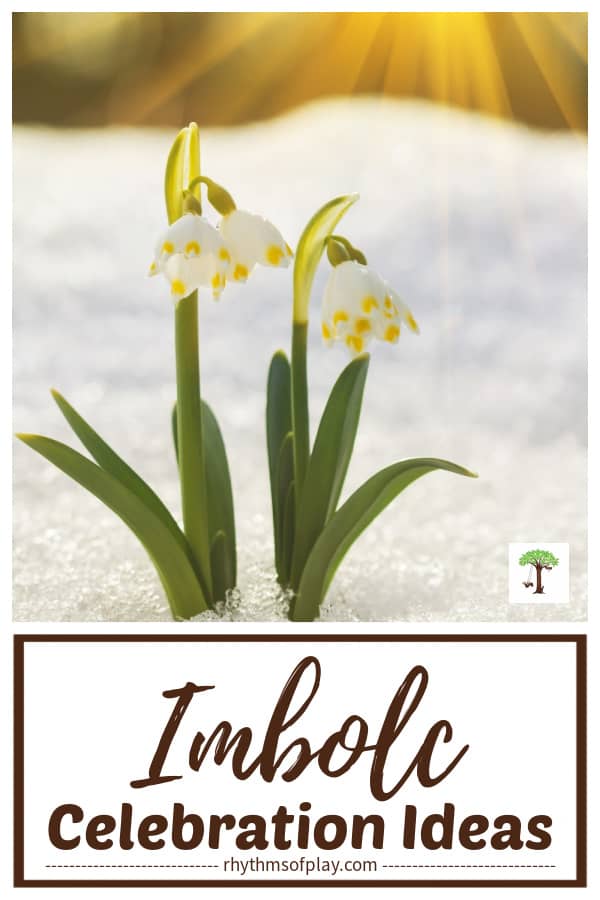
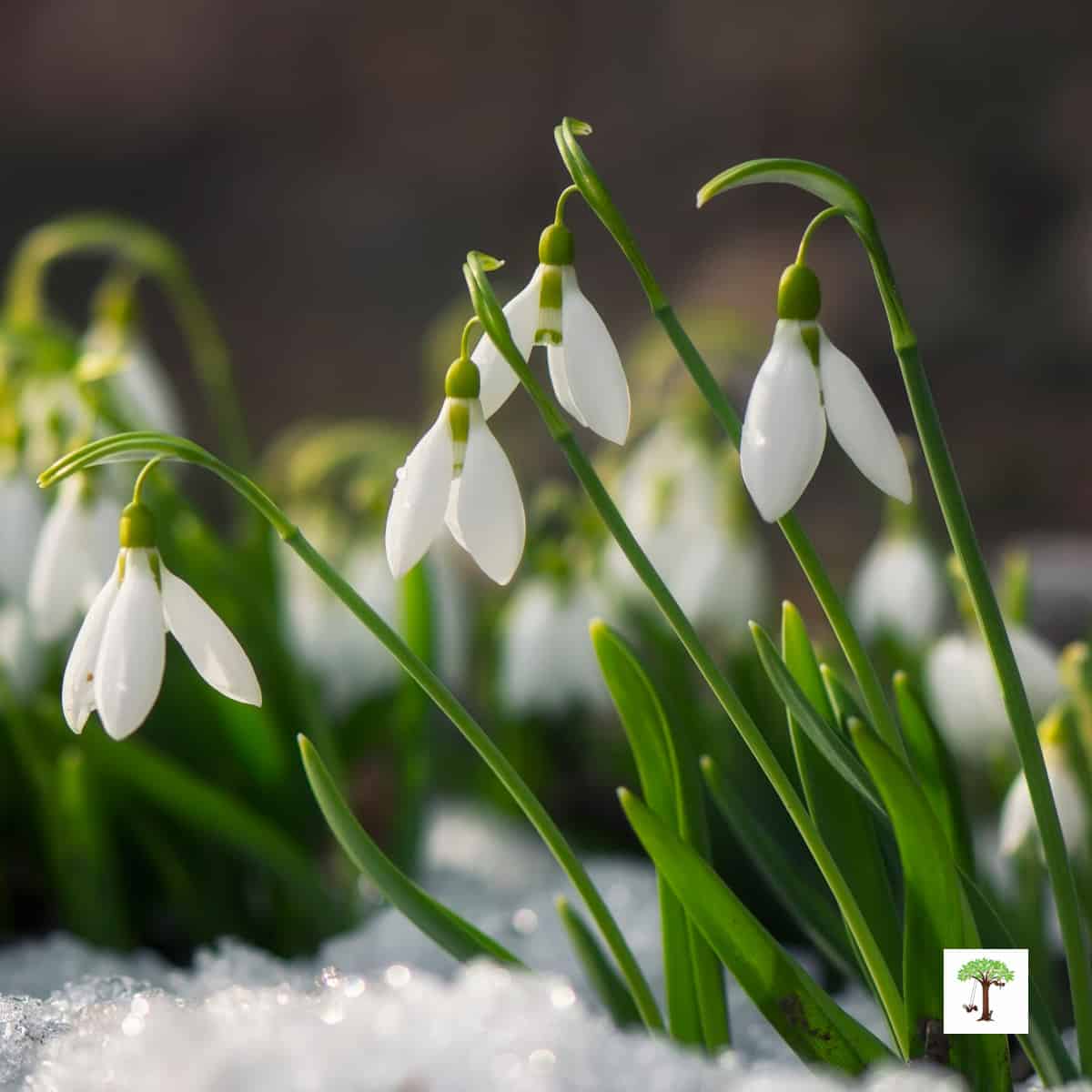
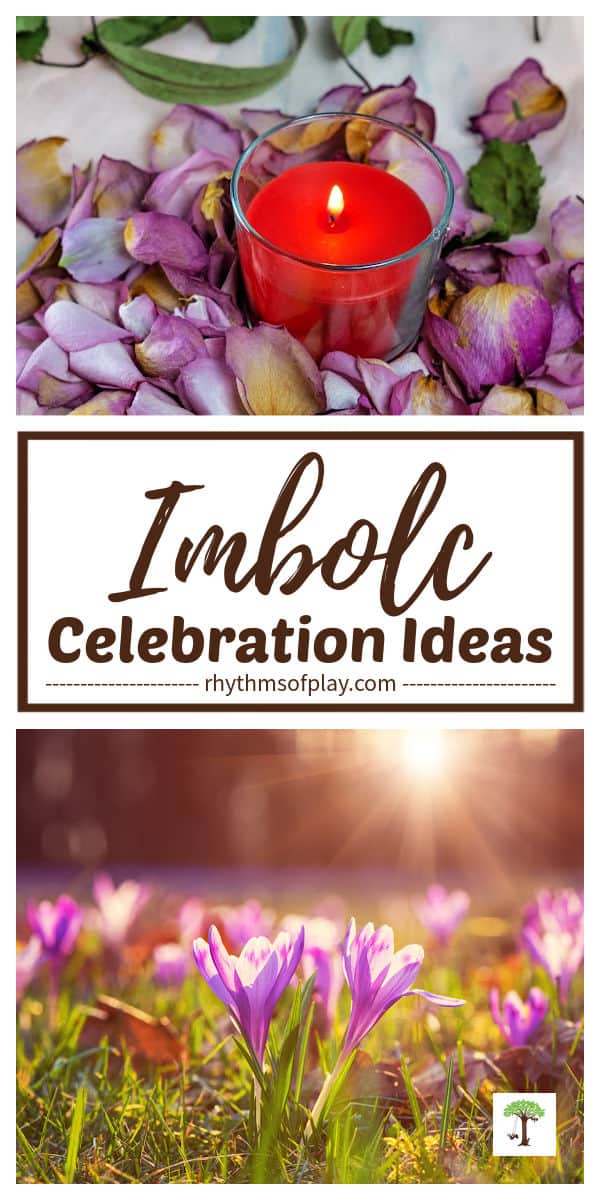
Imbolc is an ancient celebration of fire and light deeply rooted in pre-Christian Celtic traditions. This ancient Celtic holiday (also known as Imbolg, Oimele, or Brigid’s Day) marks the beginning of spring in ancient Celtic calendars. Today, however, most people use the Gregorian calendar, which designates the spring equinox as the first day of spring. The Celts marked the spring equinox as the midpoint of spring. These details help illustrate what this day meant to ancient people. On Imbolc, people celebrate the return of the light and the rising sun. It marks the time of year when the first signs of spring begin to burst forth from the frozen ground of winter, as illustrated in the photograph below.

Since it is traditionally associated with the Earth’s reawakening in late winter, Imbolc is a time to celebrate purification, fertility, and renewal. It is a time to feast and light fires (or candles) in honor of Brigid, share stories, engage in purification rituals, and prepare for the abundance of spring. Join the fun with the Imbolc celebration ideas, rituals, and traditions below! Or try the other holiday celebration ideas mentioned for Brigid’s Day, St. Brigid’s Day, or Candlemas, all included in the list of traditional and modern ways to celebrate early spring.
Imbolc Meaning and Other FAQs:
Before sharing a list of fun ways to celebrate Imbolc, Imbolg, or Omiele (as well as a few simple celebration ideas for St. Brigid’s Day and Candlemas), here are some answers to frequently asked questions about Imbolc, including the meaning of Imbolc and how to pronounce Imbolc and Imbolg:
How do you pronounce Imbolc or Imbolg?
One of the most common questions regarding this cross-quarter day is the proper pronunciation of this ancient Gaelic word. So, before we go any further, let’s learn how to pronounce Imbolc and Imbolg correctly. Imbolc is pronounced “Im-olk” or “Im-ulk.” While Imbolg is pronounced “I-molg.” The “b” is silent when pronouncing these words.
When is Imbolc?
Imbolc is one of the eight sabbat festivals that fall within the solar year, also called “The Wheel of the Year,” during the procession of the seasons. This ancient Gaelic cross-quarter day fire festival occurs halfway between the winter solstice and the vernal spring equinox and is considered the first day of spring in the Celtic tradition. In the Northern Hemisphere, Imbolc begins at sundown on Thursday, February 1, and concludes at sunset on Friday, February 2.
What is Imbolc, Imbolg, Omiele, or Brigid’s Day?
Imbolc, Imbolg, Omiele, or Brigid’s Day is an ancient pre-Christian cross-quarter day fire festival that celebrates the beginning of spring. This ancient Celtic fire festival or holiday celebrates the sun’s return, fertility, rebirth, and the first signs of spring, and is associated with the Celtic pagan fire goddess Brigid. It is a celebration of the spring maiden or mother goddess, Brigid, coming to bless us with the light of the sun and the new life and gifts it will bring to the earth and her people.
Traditionally, this sabbat festival was celebrated to honor Brigid, the fire goddess of hearth and home, with feasts, fires, and candlelight to chase away the darkness. Historically, it is a Celtic fire festival celebration in Ireland, Scotland, and the Isle of Man that divides the winter in half and occurs at the halfway, cross-quarter, or midway point between the winter solstice (Yule) and the spring vernal equinox (Ostara) within the solar year. It is thus a time to celebrate the sun’s return after winter and to prepare for the bounty of spring.
Imbolc Meaning: What does Imbolc mean?
In the old Irish Neolithic language, Imbolc is translated as “in the belly” or “in the belly of the mother.” Metaphorically, this refers to the pregnancy of ewes, reindeer, and cows and the blessing of milk that comes with the birth of their young. Imbolc also gets its name from the Irish Gaelic Oimelc or Omiele, which means “ewe’s milk.” It refers to the time when ewes began lactating after giving birth to lambs and signified the arrival of spring to the ancient Celts.
What does Imbolc mean spiritually?
In ancient times (and still today), Imbolc was a time of rebirth and fertility. As the divine spark born at midwinter grows and brings more and more light, nature begins to awaken all around us. Because after Imbolc, the Sun rises above the earth and burns longer and brighter each day.
“Welcome the sun and the spring’s rebirth; the light of the sun renews the earth.”
~Nell Regan Kartychok.
Many spiritual and physical blessings come with these rhythmic, cyclical changes brought by the coming seasons, so often taken for granted in today’s society. Hibernating animals awaken from their long winter sleep, and life begins to sprout from the ground once again. As snowdrops and crocuses burst through the frozen earth and new life grows within the wombs of livestock and wild creatures everywhere, it’s time to witness the transformation occurring around and within you.
The world is changing from a cold, dark place to one of warmth, light, and life, with new growth sprouting. It’s time to take a moment to pause, remember that we are a reflection of our world, and consider what these changes mean within the mirror or what they say about us. In other words, what does the reflection of new life spouting forth, or the lack of it, say about you? How are you being in or relating to your world? And, what can you do, if anything, to change, assist, support, or bring light to what is or isn’t happening to help bring new life or growth?
Why do people celebrate Imbolc, Imbolg, Omiele, or Brigid’s Day?
To grasp the historical significance of this cross-quarter holiday at the midpoint between winter and spring, you must realize the life-and-death struggle that winter represented to people in ancient pre-Christian agrarian societies. Imbolc meant better times lay ahead because food and warmth would again be plentiful. The sights and smells brought by each passing day after this ancient celebration brought renewed hope.
After Imbolc, the first signs of spring begin to give birth and spring forth as the days gradually grow warmer and longer. This was and still is something to celebrate. Especially for people in ancient times, because it meant warmer temperatures and more food. For example, the arrival of milk and the ability to make dairy products again were just one of the many spring blessings celebrated at this midway point between the seasons in ancient times. Milk enabled people to survive the remaining winter when food stores ran low, thanks to its nutritional value. This is also why reindeer, deer, ewes, and cows are still considered sacred today by people in many northern lands and countries around the world.
Why are there so many holidays at the beginning of February?
As Christianity and Western civilization spread along with other major religions across the globe, the lines that once divided us (cultural, religious, and geographical) have also changed. So, too, did the names people gave their holidays, the idols and items they celebrated, and the reasons they celebrated.
Today, Imbolc falls on the same approximate date as several holidays and cultural festivals that originated in different parts of the world at various points in history. These holidays include Saint Brigid’s Feast Day, Candlemas, The Feast of Torches, Lupercalia, Feast of Pan, Feast of Waxing Lights, Snowdrop Festival, Feast of the Waxing Light, Roman Lupercalia, Egypt’s Feast of Nut, and Groundhog Day.
Even though these holidays all occur in February, they aren’t necessarily the same, and some are very different. But many of these spring festivals share similarities because the celebrations held in other parts of the world often follow the familiar rhythmic cycles of nature, falling within the “Wheel of the Year” as the seasons progress throughout the solar year.
In some cases, names and traditions changed because, as time passed and civilizations rose and fell, beliefs also changed. In other words, different cultures adapted their traditions (within the year’s seasonal rhythm) to suitable activities and events in their region’s climate, biome, culture, religion, and historical period, and chose the names they thought fit. Unless another name or purpose was selected for them, or Brigid. And the old ways were forgotten.
Today, many names for holidays and celebrations share similar seasonal roots and origins but have changed over time, while others are entirely different. Please feel free to call this ancient spring celebration whatever resonates with you and makes sense for your family or community, and celebrate it however you wish.
Key differences and Similarities between Imbolc, Brigid’s Day, St. Brigid’s Day, Candlemas, and Groundhog Day:
1. Imbolc:
Imbolc is an ancient Celtic festival celebrating the return of the light and the rising sun. This sabbat festival traditionally honors the goddess Brigid (who symbolizes new beginnings, growth, and warmth) with feasts, fires, and fertility rituals. Traditionally, Imbolc begins at sunset on February 1 and concludes on the evening of February 2 in the Northern Hemisphere.
Imbolc is a traditional Celtic pagan festival that marks the halfway point between the winter solstice and the spring equinox. This ancient festival is traditionally associated with the rising sun, its returning light, and earth’s reawakening in late winter. It is a time to celebrate purification, fertility, and renewal. It is also a time to honor the goddess Brigid for bringing warmth and light back to the earth, along with the early signs of spring.
2. Brigid’s Day:
Brigid’s Day is another name for this ancient Imbolc festival. However, it differs slightly by focusing specifically on the goddess Brigid, associated with fire, poetry, healing, and fertility. Later, Brigid became a Christian saint, and this day continues to be celebrated in her honor as discussed in the following section.
3. St. Brigid’s Day:
St. Brigid’s Day commemorates St. Brigid, a Christianized figure associated with the ancient Celtic goddess of the same name. In other words, St. Brigid’s Day is both a Christian and a pre-Christian celebration with close ties to the Imbolc festival and Candlemas. For many, it blends the Christian reverence for St. Brigid with the older pagan traditions associated with Imbolc. Today, she is still revered as a patron saint of Ireland.
Although many people disagree about who St. Brigid is, what she did, and why. Many still choose to honor her on this day with feasts and rituals. In Ireland and other Celtic regions, St. Brigid’s Day traditions also include making St. Brigid’s crosses and honoring her contributions to Irish culture. Since St. Brigid is viewed by many as a protector of women, healers, and the land. It’s also a day for feasts and prayers for fertility, prosperity, and healing.
4. Candlemas:
Candlemas, or Candlemass, is a Christian feast day that falls around February 2nd. This holiday celebrates the Presentation of Jesus at the Temple and the purification of Mary. It is also known as The Feast of the Presentation of Our Lord Jesus, and the Feast of the Purification of the Blessed Mary. It is a celebration of the light of Christ’s coming into the world.
Candlemas marks the end of the Christmas season and includes the blessing of candles. The candles are lit as symbols of Christ as the “Light of the World.” Many people around the world light candles to commemorate this auspicious day, which is why it is called Candlemas. This Christmas feast day has pre-Christian links to ancient agricultural traditions, such as its association with light, feasting, and its role in predicting the weather for the coming weeks.
5. Groundhog’s Day:
Groundhog Day is a modern secular tradition in Canada, while in the US, it focuses on weather prediction. There is a famous groundhog that lives in Punxsutawney, Pennsylvania. His name is Punxsutawney Phil. If the groundhog sees its shadow on February 2nd, it’s said to predict six more weeks of winter. If the groundhog does not see its shadow, an early spring is expected. This modern North American holiday draws on early European customs. It is very similar to the German tradition of a hedgehog predicting the weather. However, Groundhog Day has a more secular, folkloric focus on predicting the weather rather than celebrating religious themes.
Weather prediction Traditions on Imbolc, Candlemas, and Groundhog Day:
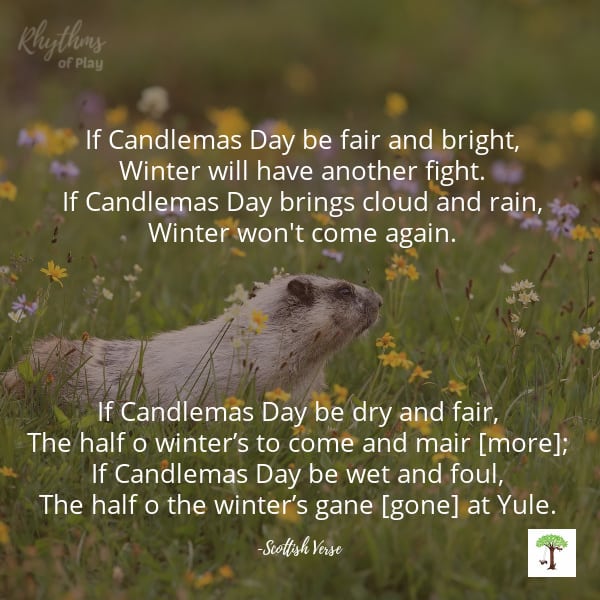
In ancient times, people believed that the weather on Imbolc and Brigid’s Day would predict the weather for the weeks ahead. Later, this was also true of Candlemas and Groundhog Day in the United States and Canada, which are said to predict the weather for the next six weeks. For each of these holidays, a fine, bright, sunny day is considered a prediction for more winter weather.
In other words, when Cailleach is awakened by the sun, Candlemas Day be fair and bright, or when the groundhog in North America sees his shadow, it means that more winter weather is coming. On the other hand, a cloudy, wet, or stormy day on Imbolc meant the worst of winter was over because Cailleach would sleep in, or the hedgehog or groundhog would not see his shadow. An old Scottish verse shares it like so:
If Candlemas Day be fair and bright,
Winter will have another fight.
If Candlemas Day brings cloud and rain,
Winter won't come again.

If Candlemas Day be dry and fair,
The half o the winter's to come and mair [more];
If Candlemas Day be wet and foul,
The half o the winter's gane [gone] at Yule.
Who is Cailleach?
Cailleach is the seasonal divine hag, witch, or spirit that fights spring by freezing the ground with her staff. She is known as the queen of winter because she rules over the coldest months of the year, from Samhain (the eve of October 31) to Beltane (also known as May Day on May 1) in the Northern Hemisphere.
Cailleach is believed by some to be the older incarnation of the divine goddess Brigid, responsible for weather prognostication on Imbolc. When the weather is overcast or the skies are stormy, Cailleach will sleep in, and winter will go by quickly. But if the skies are sunny, she will get up to gather firewood, and winter will continue to rage on. In ancient Celtic lore, these stories are passed down from generation to generation. Some consider Cailleach to be Brigid’s alter ego, while others claim her to be the seasonal deity that turns to stone or falls asleep on May 1 until she wakes again to rule over the winter months on the first of November.
This story about the transition from winter to summer is similar to the myths of the hedgehog on Candlemas and the modern weather-predicting holiday known as Groundhog Day, which is celebrated in North America today. If the groundhog sees its shadow, winter weather will continue for several more weeks. Conversely, if it’s stormy or cloudy and the groundhog doesn’t see his shadow, it predicts an early spring. These modern versions of the story most likely stem from the ancient spring fables shared by our ancestors. Just like the childhood game of telephone, stories and fables changed as they were passed down through generations, adapting to the culture and climate. While others were forgotten and lost.
Who is Brigid?
Brigid is the Celtic fire goddess of hearth and home. Also known as Bride, Breed, Brigitte, Birgitta, Birgit, Birgitte, Bridgette, Brighid, Brigantia, Brig, Briginda, Brigdu, and several other names, Brigid is an ancient Celtic solar deity associated with the beginning of spring, fertility, and the return of the sun. She is born at sunrise, with rays of sunlight emanating from her head, and she wears a sunbeam cloak. Her name means the high or exalted one, and she is the goddess of fire, rebirth, creativity, and illumination.
In ancient times, food offerings (seeds, oats, bread, or milk) were traditionally left out for the Celtic Goddess Brigid on the eve of Imbolc to ensure abundance in the coming year. On Imbolc, this Mother Goddess of hearth and home was honored with great feasts, giant bonfires, and glowing lanterns to celebrate her return. Because along with her came the warmth and abundance of spring. Although the equinox would not arrive until March and, along with it, the height of spring, Imbolc is the signpost that better times lie ahead, so people celebrated with feasts and fires because Brigid had arrived to chase away winter.
Then who is St. Brigid?
Brigid’s evolution from goddess to saint linked pagan Celtic and Christian traditions and helped sway the people towards the church. Because the old ways were still practiced, many aspects of the old were incorporated into the new. This practice ensured that the people would not stray from the new religion. So Yule came to be known more often as Christmas, and Imbolc as Candlemas or St Brigid’s Day.
As Christianity grew and spread throughout Europe and the Western world, the old ways and traditions were slowly forgotten. Brigid gradually became known as St Brigid as the generations that revered her as the Mother Goddess passed on. Today, she remains one of the most influential religious figures in Irish history, but many disagree about who she is, what she did, and why.
More on the spiritual meaning of Imbolc: Can Brigid guide or help us in today’s climate?
Fortunately, as the mother goddess, Brigid keeps the spiritual traditions of old whole and alive. She gives all those who continue to listen to her guidance a means of sustaining us through even the worst circumstances, including those of the present day. She has always been here to help humanity reach the zenith of society we have been dreaming of. But we have to want it and ask for it. And we are, so she will soon bring the dawn of a new era.
Brigid is once again chasing away the winter and ushering in the spring of a new civilization. A society that sees life, the cycles of the seasons, peaceful interactions, and caring for the well-being of others as sacred. Make way for this spring in your heart, and she will be there to greet you. Ask, and it shall be given.
What are the most common Imbolc rituals and traditions?
Traditions observed at Imbolc focus on awakening nature from its frozen winter slumber, celebrating new beginnings, honoring the fire goddess Brigid with offerings, and anticipating the bounty of spring. Some of the most common Imbolc rituals include feasting or enjoying a meal, lighting fires, sharing traditional stories, preparing for spring, and creating an altar to make offerings to Brigid.
Traditionally, people lit candles and bonfires to ward off darkness and cold, symbolizing the return of light. Many people also celebrate with feasts and bonfires, and prepare for spring with cleaning and purification rituals such as bathing in a fresh-water source, cleaning the house, preparing the garden, and planting the seeds of their future — literally and figuratively.
For many, Imbolc is also traditionally a time to shed anything that no longer serves us. Once again, both by getting rid of tangible and symbolic things, concepts, and limited ways of thinking or relating to your world. This is why late winter and early spring are ideal times of year to declutter the house, reflect on your personal growth, and prepare for the future ahead. Meditate, conduct a goal review, set intentions, make an action plan to achieve your goals, and create positive affirmations to manifest your dreams.
How do you celebrate Imbolc?
Imbolc is celebrated with various spring rituals and activities, including feasting, planting seeds, and purification rituals. Pre-Christian pagan Imbolc traditions include lighting candles, celebrating the fire goddess Brigid with a traditional bonfire, creating an altar in her honor, and engaging in purification rituals to prepare for the bounty of spring. It was also traditional to thoroughly clean the house and prepare the garden for the bounty of spring. Sound familiar? Spring cleaning, anyone!?
Focus on welcoming the spring’s returning light with simple Imbolc traditions. Beginning Imbolc rituals such as candle lighting, cleansing yourself and your home, creating a seasonal altar, setting intentions for growth, and connecting with nature through walks or planting seeds are just a few easy ways you can celebrate Imbolc at home independently or with others, such as your kids, friends, and family.
For more details about these beginning Imbolc rituals, along with other ancient pagan rituals and a few modern Imbolc celebration ideas, read through the following list of Imbolc traditions and fun ways to celebrate Imbolc. There are several other fun ways to celebrate Imbolc and the beginning of spring beyond the few mentioned above. The list of celebration ideas for Imbolc, Imbolg, Omilele, or Brigid’s Day that follows includes several more simple, modern, and traditional ideas for Candlemas and St. Brigid’s Day.
Candlemas, ST Brigid’s Day, Brigid’s Day, and Imbolc Celebration Ideas and Traditions:
Discover how to celebrate Imbolc with these common rituals, ancient traditions, and modern celebration ideas. These Imbolc rituals include ways to honor the first light of spring and the sun’s return in the early weeks of spring. There are several simple rituals you can include in your Candlemas, St Brigid’s Day, and Imbolc celebrations. Ideas include non-secular ways to celebrate that don’t require adhering to any particular faith, so anyone can enjoy them.
Whether you are celebrating Imbolc for the first time as a beginner, with children or family, or as an advanced solo practitioner. This informative guide includes several simple activities you can do to celebrate Imbolc, also known as Brigid’s Day. The list of Imbolc celebration ideas also includes traditional activities that you can do to celebrate St Brigid’s Day and Candlemas. However, as you read through the list of Imbolc traditions and fun ways to celebrate Imbolc, Candlemas, and St. Brigid’s Day. Please don’t view the Imbolc activities as things or tasks that you must do or complete.
The celebration ideas for Imbolc or Brigid’s Day in this guide offer suggestions for honoring seasonal rhythms at home or with your community, if you choose to do so. If you feel called to, select a Candlemas, St Brigid’s Day, or Imbolc tradition or ritual that is meaningful to you and anyone else that you may be celebrating with, and cast the rest aside. But rest easy in the understanding that you don’t have to do anything besides witness the passing seasons as they change from one to the next.
1. Enjoy a Traditional Meal for Imbolc: Celebrate Imbolc with a spring feast:
Host or attend a spring feast to share traditional foods for Imbolc. The foods traditionally eaten on Imbolc include fresh dairy products and seeds, as well as stored foods. Many people celebrate Imbolc by eating foods that honor the home and hearth, such as dairy, seeds, grains, bread and muffins, citrus fruits, root vegetables, and foods made with these ingredients.
The food and drinks served during the feasts at the sabbat festivals in ancient times typically corresponded to foods in season as well as stored foods. Fresh food would soon be abundant, so people would celebrate by eating the remaining food in storage to survive the long, hard winter. So, people traditionally eat dried, canned fruits and vegetables and smoked meats, along with fresh dairy, seeds, berries, and breads for Imbolc. It is also common to cook giant stews in big round soup cauldrons and prepare white or circular foods with grains and flour, such as cakes shaped like the sun in honor of the sun and the mother goddess Brigid. They also ate any fresh foods available to them at the time, such as root vegetables, and drank mead, cider, and herbal tea.
Traditional Foods and Recipes to Celebrate Imbolc:
Prepare a feast with a mix of fresh dairy products, stored foods, and seasonal whole foods from your local farmers’ market to celebrate Imbolc and the early signs of spring. Meat stews, seed breads and muffins, simple salads, and rich foods such as breakfast and dessert recipes made with butter, cream, honey, and egg yolk are common foods people typically eat to celebrate Imbolc. Other people celebrate by eating only white foods. In other words, foods made with white flour, milk, and other dairy products.
Use your family’s favorite recipes, or search the Imbolc recipe ideas below for a new recipe to try. Another great idea is to ask your local farmers how they prepare the food they grow and sell; you may learn something new! For seasonal recipe ideas, visit the informative articles below to learn a few simple traditional Imbolc foods and recipes you can make and enjoy. Whether at a feast in honor of Brigid or the return of the light and the abundance it brings, celebrate with a spring feast. Activities include seasonal celebration ideas and simple foods you can prepare and enjoy for Imbolc. Read through the Imbolc Food Guides on the list below for more information:
- Recipes for a Feast of Light: Reviving the Magical Foods of Imbolc | Gather Victoria
- Some Recipes to Celebrate Imbolc | Awesome on 20
- 50 Traditional Foods and Recipes to Enjoy on Imbolc | The Pagan Grimoire
2. Light a Fire: Celebrate Imbolc at a Bonfire:
Imbolc is an ancient cross-quarter-day fire festival celebrated within the “Wheel of the Year” as the seasons turn. It is traditionally a time to honor the Celtic goddess Brigid, known as the goddess of fire, hearth, and home, and celebrate the rebirth of spring. In ancient times, great bonfires were lit across Europe on Imbolc. Lighting these fires was a way for people to honor the fire goddess Brigid and celebrate the sun’s returning power, as each new day held more light than the day before.
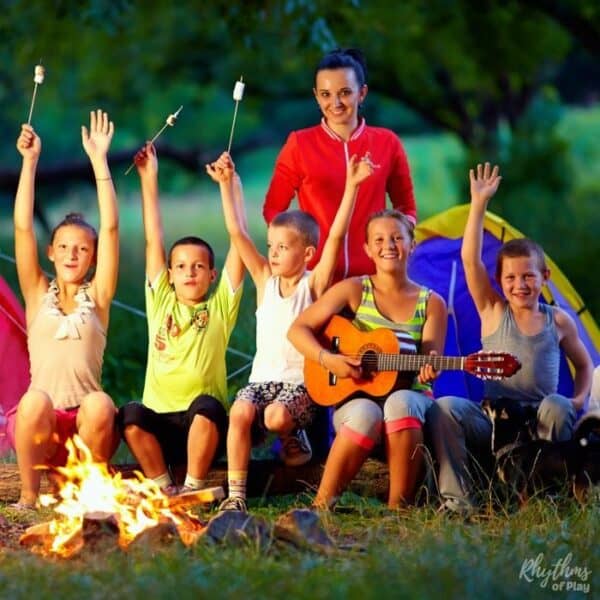
Light a fire to chase away the darkness and honor the coming spring on Imbolc! Celebrating Imbolc with a bonfire to mark the coming of spring is fun for all ages. Tell stories, sing songs, enjoy spring foods, and share the joy of the coming spring with family, friends, and loved ones. Learn how to build a campfire and keep everyone safe here: How to Build a Fire Outdoors.
3. Burn evergreen Yule decorations to celebrate Imbolc:
Long ago, people celebrated the returning light (which was born at Yule) by burning evergreen decorations in fireplace hearths and in great bonfires to celebrate the return of spring and the Celtic sun goddess Brigid. If it’s a family tradition to keep the Christmas tree and other evergreen decorations up well past New Year’s, it is likely because of this Imbolc tradition. You probably keep them up until the beginning of February because your ancestors did. If so, Imbolc is a great time to burn them in your fireplace or light a bonfire to set the skies ablaze and empower the steadily rising sun, as the ancient Celts and Pagans did.
Please follow local rules and regulations if you choose to perform this ancient Imbolc ritual. As one of the survivors of the Paradise Wildfire of Northern California in 2018 (yeah, that movie on Netflix) and sister to “Smokey the Bear” himself (my brother was a California Park Ranger and fellow survivor of the #campfire2018), I know all too well how dangerous fire can be. We like to follow these basic fire rules: “If you light it, be prepared to fight it.” And “When in doubt, put it out, or don’t light it at all.” Learn how to build a campfire and keep everyone safe, especially when young children are around –> HERE.
4. Build or Create an Imbolc Altar:
Building an Imbolc altar is a beautiful way to honor the ancient Celtic holiday of Imbolc and mark the midpoint between winter and spring. Make your Imbolc altar near a window to welcome the growing light and the coming of spring. Honor the goddess Brigid with symbols like fire, water, and handmade arts and crafts that showcase your creativity, such as a Brigid Cross, Doll or fresh flower crafts. Create an altar for Imbolc to connect with the energy of the season and invite the spirit of rebirth into your heart and home with the simple instructions below:
How to Make an Altar for Imbolc:
- First, choose a place in your home to create a sacred space on a table, shelf, or dresser top for your Imbolc altar.
- Next, place a white, red, or green cloth as the base.
- Then add candles in traditional Imbolc colors, such as white, yellow, red, or green.
- Traditional candle colors for Imbolc are explained in the next section.
- Decorate your altar with seasonal fresh flowers, such as snowdrops, daffodils, or crocuses.
- Finally, add other symbols traditionally associated with Imbolc or Brigid that you enjoy, such as a small caldron, a Brigid Cross made from reeds, or a handmade Brigid Doll.
- The Imbolc craft ideas below include more details on these traditional crafts. (Scroll down toward the bottom of this post.)
- Also, consider offering milk or cream on your altar, as Imbolc is traditionally a time for lambing and celebrating the first signs of new life.
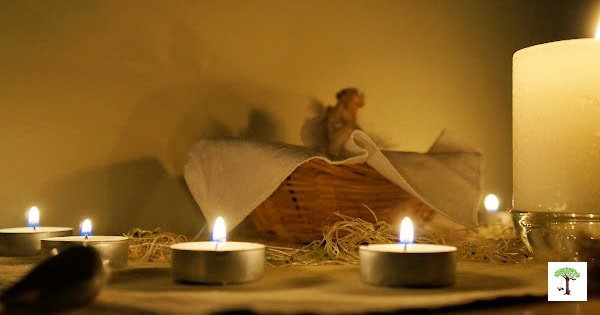
5. Light candles for Imbolc, Candlemas, or St Brigid’s Day:
Another common tradition for Imbolc, Candlemas, and St Brigid’s Day is lighting candles. This simple ritual provides an activity to symbolize the rising sun and the coming of spring. Lighting candles is also a traditional way to honor Brigid (the Celtic goddess of fire, fertility, and healing) and St. Brigid, the saint. Burning candles is ideal for beginners because it is a simple way anyone can celebrate Imbolc at home or in their community.
Light a candle on your altar or in an east-facing window in honor of the rising sun, the fire goddess Brigid, or St. Brigid. Enjoy the lengthening days as the light gradually overtakes the darkness at Imbolc, Candlemas, or St Brigid’s Day with this common Imbolc ritual. Traditional candle colors for Imbolc are white, yellow, red, and green:
- White symbolizes purity and the return of light.
- Yellow reflects the warmth of the returning sun’s golden hues in early spring.
- Red represents luck, the blood of life, vitality, the rising sun, and Brigid’s renewing fire at Imbolc.
- In many cultures and traditions, red is a powerful, magical color.
- The power and magic of red are likely why gifts are traditionally red for Christmas and Valentine’s Day.
- Green represents the new life stirring underground at the beginning of spring.
Colors Associated with Imbolc:
6. Make homemade candles and firestarters:
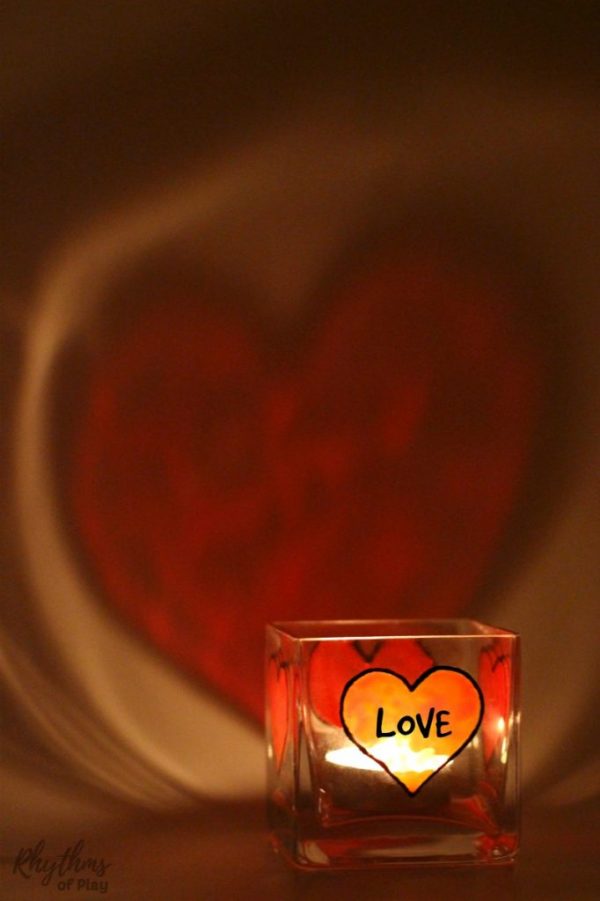
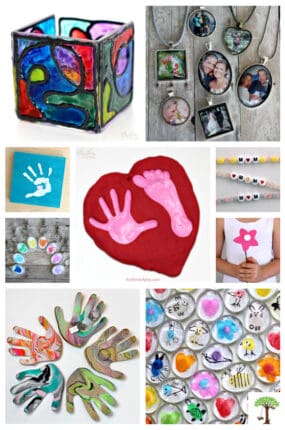
Another fun way to celebrate these holidays is to make homemade candles and fire starters. Since it is tradition to light candles on Imbolc, Brigid’s Day, Candlemas, or St. Brigid’s Day. Making DIY fire starters and handmade candles is a simple Imbolc activity you can do to celebrate the return of the sun’s light and life-giving energy. It’s also a fantastic way to honor Brigid, the Celtic goddess of fire and hearth, or Saint Brigid. Another fun thing to do for Candlemass is make personalized faux-stained-glass heart candle holders that cast glowing red hearts on the wall, as shown in the photograph below! (After all, Valentine’s Day is right around the corner!)
7. Decorate your home, Imbolc altar, or patio with fresh spring flowers, herbs, candles, and symbols of Brigid or St. Brigid:
Another traditional way to celebrate Imbolc is to decorate your altar and homes with fresh blooming flowers, fragrant seasonal herbs, and symbols of fire, the sun, or Brigid. Honor the goddess Brigid and the rising sun with handmade arts and crafts that represent new growth and showcase your creativity. Crafting and decorating with flowers is a great way to do this.
First, get outside to pick some fresh flowers and herbs, or visit your local florist to pick up a bouquet of fresh seasonal flowers such as snowdrops, daffodils, or crocuses. Next, invite children to arrange flowers with this fun Montessori practical life activity–> How to Arrange Flowers. Children and adults of all ages will enjoy making arts and crafts with fresh flowers to decorate their homes or classrooms in celebration of Imbolc. Check out these flower nature crafts for easy activity ideas. Or decorate your altar or home with any of the other Imbolc craft ideas recommended in this post.
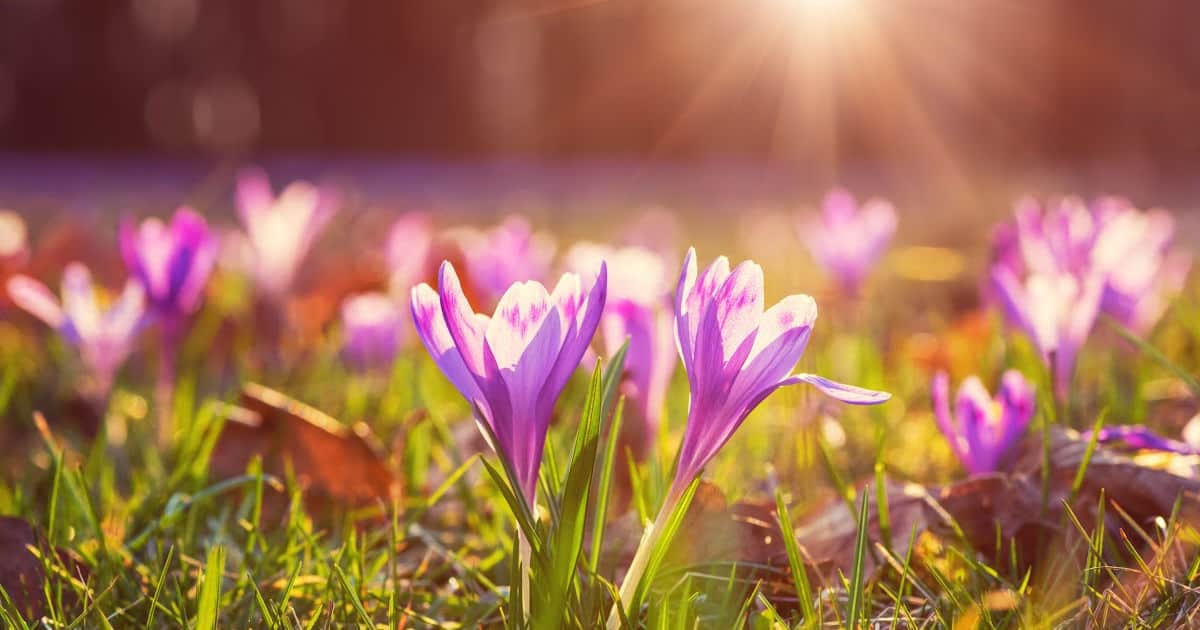
8. Plant Seeds or prepare to plant the garden:
Depending on where you live and how frozen the ground is, Imbolc is traditionally the time to plant the garden. Or at least prepare for planting if the ground near your home is still frozen or covered in snow. Imbolc is an ideal time to plant seeds in your garden or in indoor containers. Start some seedlings in the greenhouse, prune the bushes and trees in the front and back yard, do some weeding, clear out old plants and other debris, and prepare the garden for planting.
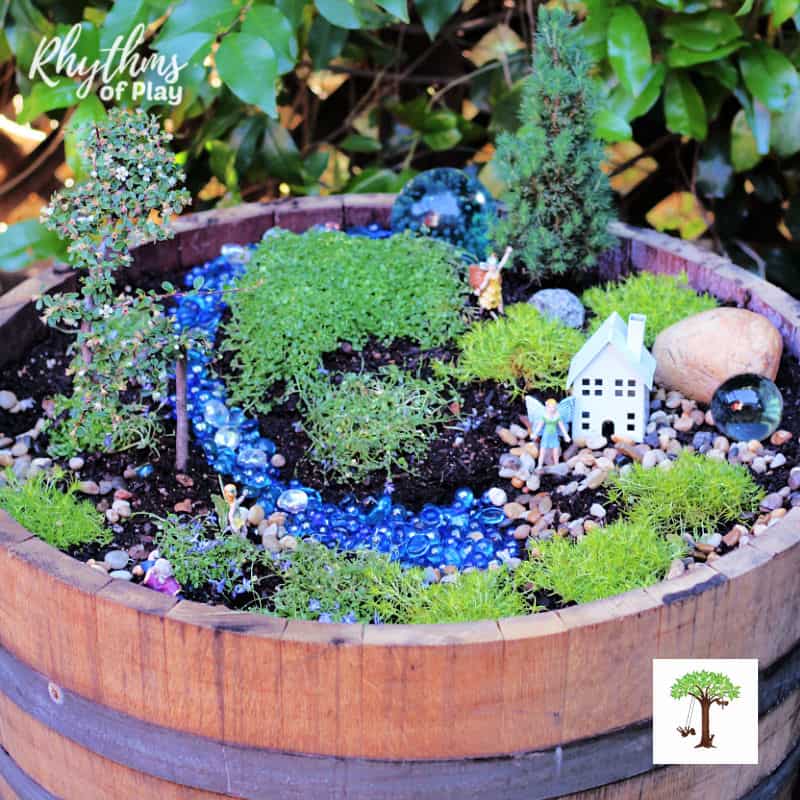
Once the ground is no longer frozen or covered in snow, transfer your seedlings into the ground, or plant seeds directly into the earth. For example, plant sunflowers (or build a sunflower fort), plant spring flowers, start a vegetable garden, plant berries and fruit trees, or create a fairy garden like the one in the photo below. Alternatively, make a table-top fairy garden.
9. Clean the house or do some spring cleaning for Imbolc:
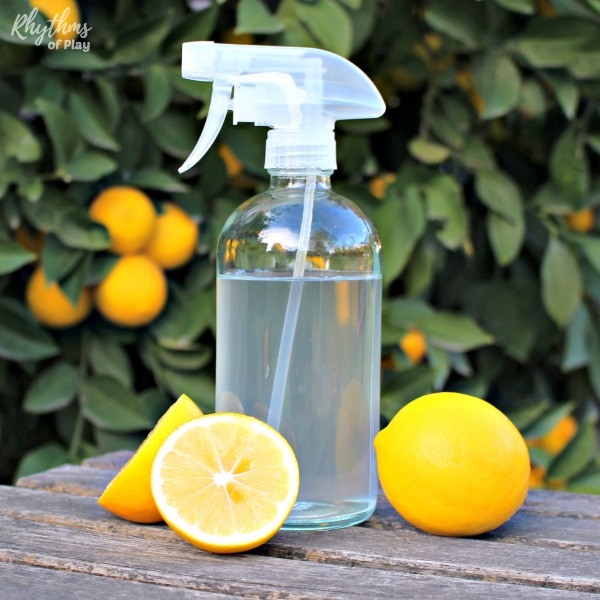
Brigid is considered by many to be the domestic goddess of the hearth and home, so house-cleaning rituals are another traditional Imbolc activity. Rid your space of anything that no longer serves you, both literally and metaphorically, to prepare for the bounty of spring. Declutter, clean, and organize an area, room, your workplace, or the whole house. Learn how to make natural cleaning products HERE for spring cleaning fun. Or look through the list of DIY cleaning solution recipes below:
10. Make spring arts and crafts with symbols of Brigid, ST Brigid, or spring for Imbolc:
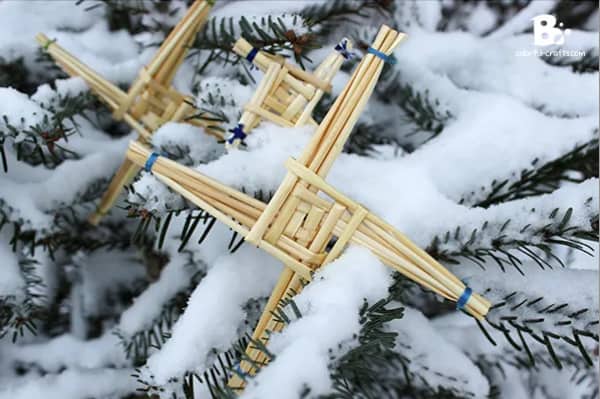
Common symbols of Brigid include fire, a Brigid Doll, sheep, a swan, and the serpent. At the same time, a traditional symbol and craft for Brigid’s Day, or St. Brigid’s Day, is a Brigid’s cross, or St. Brigid’s Cross. So, another fun thing to do on or for Imbolc, or St. Brigid’s Day, is to make arts and crafts to represent those symbols. One of the most common ways to do this is to create a Brigid’s Cross from reeds or straw, and to craft a Brigid Doll from straw, reeds, or corn husks for Imbolc or St. Brigid’s Day. If you’d like to try either of these seasonal craft activities, use the instructions in the following two sections.
Another Imbolc craft idea is to make crafts using materials from one of Brigid’s symbols, such as wool roving from a sheep. This makes needle felting a sheep an excellent activity for kids during Imbolc and the first few weeks of spring. Another fun idea is to paint, draw, or craft one of the symbols associated with Brigid mentioned above. A few craft tutorials to help you make some of these traditional Imbolc crafts follow. Or, try these spring flower art projects and painting ideas for inspiration.
11. Make a Brigit’s Cross or St. Brigid’s Cross crafts:
A typical symbol for Imbolc or St. Brigid’s Day is a Brigid’s cross. These Imbolc crafts are traditionally made with straw (or rushes) with a knotted pattern in the middle. Also known as Brigit’s cross, these ancient crafts are often made to celebrate Imbolc and set over doorways and windows to protect the home from fire or harm.
There are many variations of Brigit’s, Brigid’s, or St. Brigid’s crosses across the globe based on the shared traditions of each culture and the natural craft supplies available to them. The most common “Brigid’s Cross” craft tutorial is shown and described HERE. Or, purchase a wooden St Brigit’s Cross Celtic Knot wall hanging art HERE.
12. Craft Brigid dolls for Imbolc or St. Brigid’s Day:
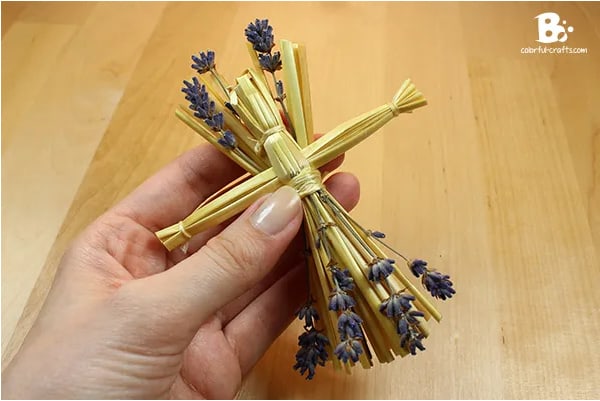
Making Brigid dolls (also called Goddess Bridgid Dolls or St. Bridgid Dolls) out of straw (or corn, oat, or wheat husks) is another craft many people make for Imbolc, Brigid’s Day, or St. Brigid’s Day. Traditionally, straw dolls are made on Imbolc and placed into little beds next to the fireplace (hearth) or in the kitchen to bring light, fertility, and good fortune into the home and to help protect the house. Learn how to make a traditional St. Brigid doll craft with the step-by-step tutorial—> HERE.
13. BE present to Change and a witness to Transformation:
As the midpoint between the winter solstice and the spring equinox, Imbolc, Candlemas, or St. Brigid’s Day, is the hurricane between the two seasons. Sometimes, Imbolc sits directly in the eye of the storm, but soon, the calm will pass, and winter will carry on. In other years, the storms pass gently into spring before anyone realizes winter is gone.
As mentioned in the spiritual meaning of Imbolc above, the world is changing from a cold, dark place to one of warmth, light, and life, with new growth sprouting. So it’s time to pause, remember that we are a reflection of our world, and consider what these changes mirror back to us. “As within, so without, as above, so below.“
Take the time to become present to change and witness the transformation happening around you and within you at Imbolc. To do so, slow down and become aware of your inner weather or spirit. Meditating, practicing yoga, spending time in nature, and writing in your journal are great ways to do this. Reflect on your personal growth and what you would like to cultivate or bring into your future. Ask yourself the following questions:
- Is the light shining within, or is there a storm brewing?
- Is there new growth sprouting or lying dormant?
- How does this relate to your life right now?
- And what can you do to honor either experience?
In other words, what does the reflection of new life spouting forth, or the lack of it, say about you? And, what can you do, if anything, to change, assist, or bring light to what is or isn’t happening to help bring new life or growth? Or what can you do to create the space for rest, healing, recovery, and regeneration?
14. Look for the first signs of spring’s return after Imbolc:
After Imbolc, nature begins to awaken, and we begin to see the first signs of new life when snowdrops and crocuses sprout from the ground, sleeping animals awaken from their winter hibernation in search of food, leaf buds sprout on the bare limbs of trees, babies grow larger in the wombs of pregnant female animals, and lambs are born.
Learn more about the early signs of spring. Then get outside to search for the first signs that spring has returned, using the corresponding printable spring scavenger hunt. For a challenge, ask children if they notice any signs specific to your location that aren’t on the list. Or, try this spring scavenger hunt printable with pictures for toddlers and preschoolers.
15. Visit a fresh spring, river, creek, stream, or well to celebrate Imbolc and the Coming of Spring:
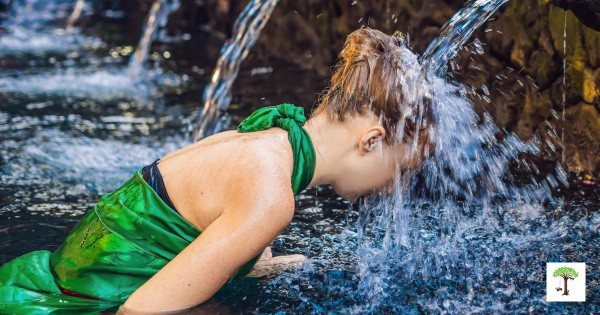
Imbolc was traditionally a time to visit holy water sources to perform purification rituals and bring fertility. Visit a nearby natural, fresh-water source to celebrate Imbolc. Spend time at a spring, river, creek, stream, or well. If the water’s clean, splash some over yourself to cleanse and purify your body, mind, and spirit for the coming of spring. Wash all of the darkness away to celebrate the impending return of springtime, and renew yourself for each of the blessings it brings.
16. Wear symbolic colors for Imbolc:
Another simple way even beginners can celebrate Imbolc is by wearing its symbolic colors. Wear colors that symbolize purity, new life, light, and fire, such as bright white, vibrant yellow, gold, silver, red, and green. You can also choose pastels like pink, blue, or pale yellow. Soft pastel shades represent the first signs of spring, inspired by Brigid’s light and the rising sun. These softer shades are associated with the gentle growth of early spring as new life slowly pushes through the frozen Earth. Wear clean, bright whites to represent purity and light; fiery reds, golds, and yellows to symbolize the sun and Brigid’s flame; vibrant greens for emerging new life; and soft pastels for delicate growth.
17. Recite Imbolc blessings, Prayers, Verses, and poetry:
Bid farewell to the cold days and long winter nights with seasonal devotionals, prayers, and blessings for meals, fertility, health, and home. Celebrate the sabbat of Imbolc, the spring, and the fire goddess Brigid with this collection of prayers on Learn Religions, including meal blessings you can recite at your spring feast for Imbolc.
18. Set goals and intentions for things you want to manifest or co-create.
Here’s a great way for adults to celebrate Imbolc. Since it symbolizes new beginnings, Imbolc is an ideal time of year to plant both tangible and symbolic seeds for the future you want to create. Take the time to plant seeds that reflect your goals for the coming seasons. Start by setting SMART goals. To nurture these seeds, create an action plan to achieve your goals, set intentions, and create positive affirmations. Completing these action steps can turn your dreams into a reality. Get your copy ot the QuickStart Planning Guide to get started today! Alternatively, invest in the Dream Life Toolkit to get behind the wheel and drive straight to your dream life.
19. Share stories or read books about Imbolc, Candlemas, or Saint Brigid’s Day:
Sharing and reading stories about Imbolc, Candlemass, or St. Brigid’s Day is a great way to celebrate these holidays with kids. Oral stories are traditionally passed down from one generation to the next. However, many of these traditional stories and folktales have been forgotten in modern times. Therefore, reading books about Imbolc or St. Brigid is a simple way to celebrate Imbolc, Candlemass, and St. Brigid’s Day with kids from toddlers to teens. Sharing stories is a lovely way to help children learn more about the traditions and characters associated with each holiday. Below are a few books about celebrating Imbolc and stories about St. Brigid that you might enjoy reading with your children for Imbolc, St Brigid’s Day, or Candlemas. Or, look at our list of magical spring books for kids, filled with spring stories children will love!
Kids’ Books about Imbolc:
- Imbolc: Brigid’s Feast: Here’s a sweet story with supplemental activities, including kid-friendly ideas for celebrating the sabbat with loved ones, a short history of the traditions surrounding the sabbat, and more!
- Imbolc: Learn about Paganism with Grani Hulda: Grani Hulda loves the Wheel of the Year sabbat celebrations! Imbolc is a quiet but special time when the world prepares to release all its abundance. This is the time of year when we start to see early signs of Spring, but plenty of winter fun, like skiing and snowboarding, is still available.
- Children’s Intro to Imbolc: An Illustrated Guide (The Wheel of the Year Series) – Imbolc is a Pagan cross-quarter sabbat or holiday with themes around potential, possibility, honesty, rejuvenation, and making traditions together. This illustrated guide uses a lighthearted narrative and immersive watercolor imagery to paint a picture of this unique sabbat festival for all types of audiences!
Books About St. Brigid for Kids:
- Brigid’s Cloak: This moving story of compaction and wonder retells an ancient tale about one of Ireland’s most beloved saints. Brigid receives a brilliant blue cloak from a mysterious Druid when she is born. Years later, the young girl still wears the now-tattered but beloved cloak while she tends her sheep.
- Brigid and the Butter: A Legend about a Saint: Brigid wants to feed the hungry, but she, too, is often hungry. But when a beggar woman asks for Brigid’s only food, she learns how to open her heart in generosity and love. This story encourages children to open their hearts to commit acts of generosity as St. Brigid did.
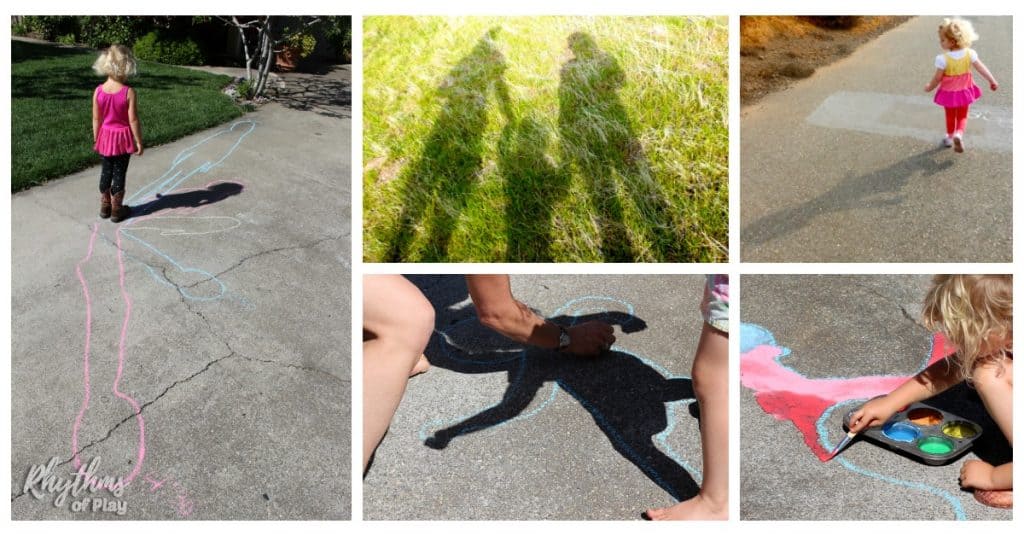
20. Make like a groundhog and play with your shadow:
Here’s another fun way for kids of all ages to celebrate Imbolc. A fun thing to do in February to celebrate Imbolc, Candlemass, or Groundhog Day in the early weeks of spring and summer is to do shadow activities and experiments! Click on the link for fun shadow activity ideas to help kids learn about shadows.
Fun Candlemas, ST Brigid’s Day, and Imbolc Celebration Ideas and Other Fun Things to Do In The Spring:
Imbolc, Imbolg, Omiele (or Brigid’s Day) is the cross-quarter sabbat day that occurs at the midpoint halfway between the winter solstice (Yule) and the spring equinox (Ostara) within the wheel of the year. This ancient holiday celebrates the rising sun and marks the beginning of spring.
St Brigid’s Day, Candlemas, Feast of Torches, Lupercalia, Feast of Pan, Feast of Waxing Lights, Snowdrop Festival, and Feast of the Waxing Light are other traditional spring holidays in early February. We hope you enjoyed learning more about these holidays and fun ways to celebrate the first signs of spring!
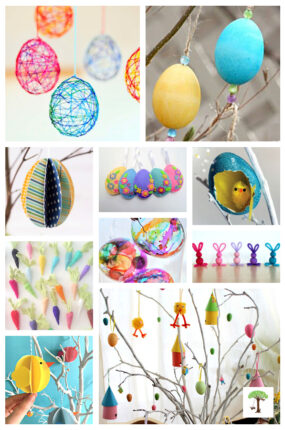
You might also enjoy this spring bucket list, filled with fun activities to do in the springtime. Or, look at this list of Easter Traditions and the other fun arts, crafts, and activities on the list below. We hope you enjoy the transformation from winter to spring!
Learn more about Nell Regan Kartychok, author of this informative guide to Imbolc traditions HERE, and Rhythms of Play HERE!
More Spring Activities for Kids (and adults!):
- Spring Vernal Equinox Celebration Ideas
- Fun Spring Activities for Kids and Adults
- Easter Traditions and Celebration Ideas
- Flower Projects and Painting Ideas
Solar Quarter Day and Lunar Cross-Quarter Day Festivals that fall within the Wheel of the Year:
These ancient festivals or feast days were once regularly observed throughout the “wheel of the year,” marking celestial events like solstices, equinoxes, and cross-quarter days. If you’re curious to learn more about each celebration within the Wheel of the Year, each of the solar quarter-day festivals and lunar cross-quarter-day festivals is listed below:
- Winter Solstice (Yule)
- Imbolc (Candlemas)
- Spring Vernal Equinox (Ostara)
- May Eve or May Day (Beltane)
- Summer Solstice (Litha)
- Lughnasadh (Lammas)
- Fall Autumnal Equinox (Mabon)
- Samhain (Hallows)




Leave a Comment