
Lughnasadh, also known as Lammas, is a festival celebrated on the eve of August 1 (or the nearest full moon) in the Northern Hemisphere. Learn more about these ancient traditional fall harvest festivals and find fun ways to celebrate Lughnasadh or Lammas below.
As the strength of the summer sun begins to wane and the fields of grain sway with golden abundance, it’s time to celebrate Lughnasadh or Lammas. The first of three ancient Celtic harvest festivals, Lughnasadh offers a beautiful opportunity to pause, give thanks, and notice the abundance around us. It occurs on August 1, at the midpoint between the Summer Solstice (Litha) and the Fall Autumnal Equinox (Mabon).
Typically celebrated to symbolize the beginning of the fall harvest season, these ancient festivals serve as a poignant reminder to thank Mother Nature for her many gifts and embrace the cyclical beauty of life. The first harvest offers a beautiful opportunity for people of all ages to reflect, celebrate, and share our abundance with others.
Celebrate a bountiful first harvest, a significant milestone in the agricultural calendar, with these ancient traditions and modern celebration ideas. Whether you celebrate Lughnasadh, Lammas, both, another tradition, or simply mark the changing seasons. Celebrating the first harvest is a beautiful way to connect with nature and honor the Earth’s bounty.
Are these late summer festivals still relevant?
At first glance, Lughnasadh and Lammas may seem like ancient festivals from a bygone era. Most of us no longer rely on harvesting grain by hand or gathering and storing enough food to carry our families through winter. In modern times, we buy bread from the grocery store or a local bakery rather than bake it from freshly milled wheat.
As the generations passed, people slowly became more and more disconnected from the seasonal rhythms that more directly shaped our ancestors’ lives. Yet the heart of these ancient late summer harvest celebrations remains as meaningful today as it was centuries ago. Celebrating Lughnasadh is not about completing each of the modern and traditional activities below like they are a checklist.
Nor is it about following a single tradition perfectly. It’s about taking a moment to reconnect with nature’s rhythms, expressing gratitude for what has grown in our lives, both literally and figuratively, and gathering with the people we love to do seasonal activities that interest us. Most people enjoy late summer activities like these, regardless of their spiritual preference or where they’re from, because they give life purpose and meaning.
Living in greater harmony with nature’s cycles in this way is an integral part of the Rhythms of Play philosophy. Aligning ourselves more fully with these natural rhythms is a simple way we can nurture our families and communities back to complete mental and emotional wellness.
The First Harvest is About Much More Than Food:
When we think of harvest, it’s easy to picture baskets overflowing with an abundance of grains, fruits, and vegetables. But Lugnasadh also invites us to notice the invisible harvests we’ve cultivated in our lives:
- Friendships we’ve nurtured.
- Skills we’ve mastered.
- Rhythms, routines, and habits we’ve cultivated.
- The dreams that are finally beginning to bloom, and the lessons we’ve learned along the way.
- Spring asks us to plant seeds, summer asks us to nurture growth, and this season asks us to notice what has grown.
Why Lugnasadh Still Matters Today:
Lugnasadh invites us to slow down long enough to notice what we are creating and bringing to harvest in our lives. Long before the first ripe tomato, the golden wheat field, row of corn, or the basket of blackberries arrives, countless unseen days of growth unfold beneath the surface.
Our own lives follow a similar rhythm. The friendships we nurture, the children we raise, the skills we practice, and the dreams we patiently nurture all require time, energy, and perseverance before we see results. This is one of the many gifts of the first harvest; it invites us to pause and reflect.
Nothing grows overnight, or appears the instant we think of it. Just as every harvest begins with seeds planted months before, the most meaningful aspects of our lives also grow slowly through patience, care, and perseverance. The first harvest reminds us to ask ourselves questions such as:
- What has grown in my life this season?
- What have you been creating for yourself? Is there anything that has come to fruition? (Consider both positive and negative co-creations.)
- How can you nurture what is still growing?
- What have you learned?
- What am I grateful for?
- How can I share my abundance with others, or seek support?
Perhaps you’ve learned something new. Strengthened a relationship. Overcome a challenge. Mended a broken promise. Established healthier family rhythms. Started a garden. Found more time for play. Discovered a deeper appreciation for the natural world. Not every harvest can be gathered neatly into a basket. Life gets messy, and some of the most meaningful harvests can not be heard, touched, tasted, or smelled.

How do you celebrate the harvest in late summer?
Scroll down to explore the early history behind these ancient traditions, discover traditional celebration ideas for Lughnasadh or Lammas, and find simple rituals and fun modern activities to make the most of this festive season.
Lughnasadh and Lammas: Understanding the First Harvest Festivals
Lughnasadh and Lammas are closely connected first harvest festivals celebrated around the beginning of August in the Northern Hemisphere. Both honor the beginning of the grain harvest, give us an opportunity to express gratitude for the gifts we are given, and remind us that the seasons are beginning to turn.
Although the festivals share many traditions and are celebrated at the same time of year, they stem from distinct cultural and historical roots. Understanding where each tradition began can deepen your appreciation for both festivals and help you choose meaningful ways to celebrate.
What is Lughnasadh?
The harvest season begins as summer comes to a close, making it a perfect time to pay homage to the fertile Earth. Lughnasadh (pronounced Loo-na-sah) is the ancient Celtic festival marking the beginning of the harvest season. It is one of the eight seasonal festivals on the Wheel of the Year that traditionally falls halfway between the Summer Solstice and the Autumn Equinox.
It’s a time to celebrate the first grain harvest. Such as wheat, barley, corn, and other crops. And express gratitude for the land’s abundance with a grand feast. According to Irish mythology, the festival was established by the Celtic god Lugh in honor of his foster mother, Tailtiu, who died after clearing the land for agriculture. Then, and still today, Lughnasadh is the time when the first grain harvest is celebrated. It was a way to honor the hard work, sacrifice, and cooperation that made it possible.
Lughnasadh Explained:
Lughnasadh is one of the four fire festivals and one of the eight Sabbats on the Wheel of the Year. It originated in Ireland and has its roots in ancient Celtic mythology. Also known as “Lúnasa” or “Lughnasa,” it is an ancient Gaelic cross-quarter day festival named after the Celtic sun god Lugh.
In ancient times, this fire festival was celebrated primarily in Ireland and Scotland, where Lugh is associated with the sun and revered for his skills in agriculture, craftsmanship, and the arts. During this time of year, families typically celebrated by harvesting grain, gathering berries, climbing sacred hills, visiting holy wells, and giving thanks for the land’s abundance.
Because Lughnasadh is celebrated at the midpoint between the summer solstice and the autumn equinox, it also symbolizes the beginning of the transition from summer to fall. It is when we begin turning inward to look for the blessings (or lessons) for what we have sown.
This reflective spiritual harvest of what is sown shifts through the seasons, continuing through Samhain and culminating on Mabon. The spiritual significance of these harvest festivals lies in fostering a sense of unity and interconnectedness with others, recognizing that we are all part of a larger community and that our actions affect one another.
Ancient Lughnasadh celebrations:
Although Lughnasadh begins on the eve of August 1 (or the full moon nearest this date), this celebration often lasted longer than a single day. Historically, communities gathered for seasonal fairs, athletic competitions, horse races, music, dancing, storytelling, dramatic performances, poetry, matchmaking, trading goods, and communal feasts.
Bartering and trading goods, making deals and political decisions, and enjoying athletic competitions, games, and artistic events took time to coordinate and enjoy. Given the number of events that are said to take place during this time, the ancient Celts are likely to have celebrated throughout the month of August.
Historical Significance of Lughnasadh:
As one of the sabbat festivals that fall within the “Wheel of the Year” in ancient times and today’s modern Druidry and Neopagan calendar, Lughnasadh is the first of three harvest festivals. Mabon follows it on the fall autumnal equinox, and the series of fall harvest festivals ends with Samhain on October 31, the Celtic New Year. It is a time to express gratitude for nature’s abundance and the interconnectedness of all living things.
Historically, Lughnasadh was a time of gatherings and communal celebrations. It is a time to begin reaping what was sown, literally and figuratively. In ancient times, People would come together to share their harvest, trade goods, make deals, and strengthen bonds with their neighbors.
Lammas Explained:
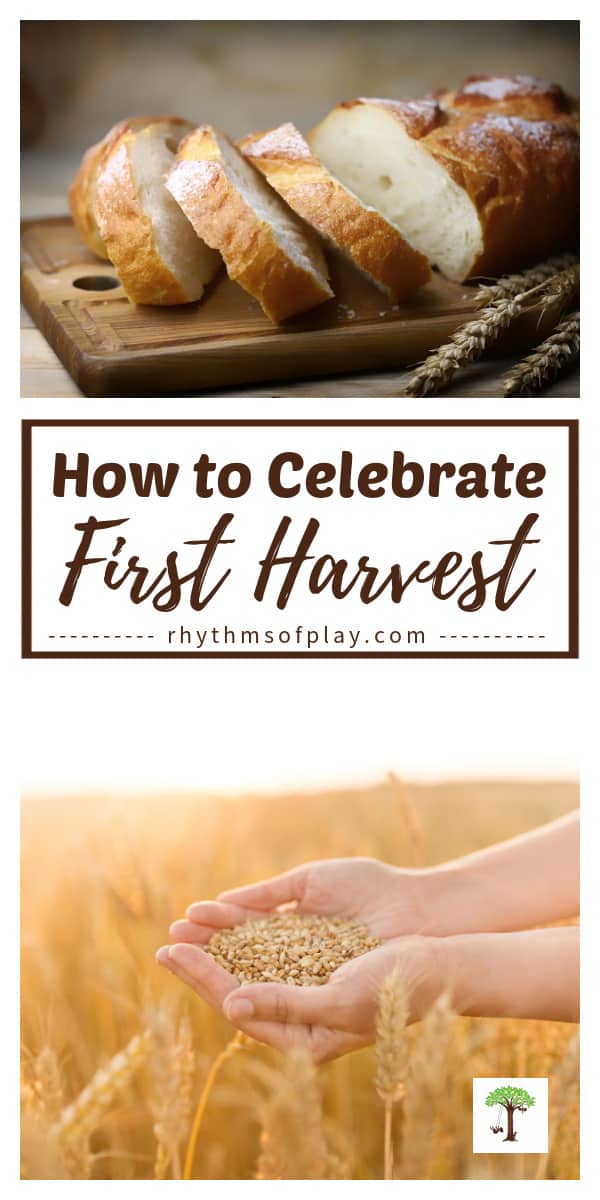
Lammas, meaning “Loaf Mass,” is a Christian harvest festival that developed in medieval England. The name comes from the Old English hlafmaesse, meaning “loaf feast” or “loaf mass.” Also known as “Loaf Mass Day,” some scholars postulate it was a Christianized version of the harvest festival known as Lugnasadh. It involved giving thanks for the first harvest and blessing the first loaves of bread made from newly harvested grain.
Ancient Lammas Celebrations:
Traditionally, the first loaf of bread baked from the newly harvested grain was brought to church to be blessed as an offering of gratitude. The blessed bread represented thanksgiving for a successful harvest and hope for continued abundance through the remainder of the growing season.
Historical Significance of Lammas:
Like Lughnasadh, Lammas recognized the importance of grain, bread, and community. It reminded people that every loaf represented months of planting, tending, harvesting, grinding, and baking. Today, Lammas is still celebrated by some Christian communities. Others simply enjoy baking homemade bread, gathering with family, decorating with wheat, spending time in reflection, and expressing gratitude for the gifts of the season.
Similarities and Differences Between Lammas and Lughnasadh:
Although Lughnasadh and Lammas share a common purpose, theme, celebration date, and often overlap in tradition. Each of these fall harvest celebrations possesses a few distinct rituals and customs. Below is a brief list of traditional celebrations and traditions associated with Lughnasadh and Lammas. However, as mentioned, these fall harvest festivals are not mutually exclusive. They often share similar traditions, customs, rituals, and practices, depending on when and where they were celebrated and by whom.
How Are Lughnasadh and Lammas Similar?
Lughnasadh and Lammas share common themes associated with the first harvest, but each carries a unique cultural flavor. Let’s begin with a few of the similarities between Lughnasadh and Lammas. Both festivals:
- Are traditional harvest festivals that mark the beginning of the grain harvest, and are often celebrated on the same day, August 1, or during the month of August.
- Recognize the work involved in producing a harvest.
- Feature bread as an important seasonal symbol.
- Signal the beginning of the transition from summer to autumn.
- Honor the changing seasons.
- Invite reflection on the gifts of the earth.
- Embrace the spirit of thanksgiving, abundance, and community.
- Celebrate abundance and gratitude.
- Encourage sharing food with family and community.
Today, many families blend traditions from both festivals in ways that feel meaningful to them, without feeling limited to one historical practice. Some differences between Lughnasadh and Lammas, as well as a few more similarities, are highlighted below.
How Are Lughnasadh and Lammas Different?
While the two festivals overlap in many ways, their origins and emphasis are different:
- Lughnasadh has its roots in ancient Celtic traditions and mythology. It honors Lugh and Tailtiu, celebrates the first harvest, and has long been associated with seasonal fairs, games, storytelling, and community gatherings.
- Lammas developed later within the Christian tradition. Its central focus is giving thanks to God for the grain harvest by baking and blessing the first loaf made from newly harvested wheat.
Another difference lies in their symbolism. Lughnasadh often celebrates the broader harvest of grain, fruit, berries, vegetables, and herbs, as well as the abundance of late summer. Lammas, on the other hand, places greater emphasis on wheat, bread, and the spiritual symbolism of the loaf. Despite these differences, both festivals remind us to pause, give thanks, and recognize the many gifts that sustain us.
Why People Still Celebrate Lughnasadh and Lammas:
Although few of us store food for the winter in modern times, the deeper meaning of these festivals remains surprisingly relevant. Lughnasadh and Lammas invite us to notice the subtle changes unfolding around us. Gardens overflow with vegetables, blackberries begin to ripen, and the first hints of autumn appear long before summer has ended. These festivals also invite us to reflect on our own lives.
Noticing these subtle details and the values they inspire helps children and adults feel like they are a part of nature’s rhythms, not separate from them. This is evident in the universal ideas that reside at the heart of these ancient festivals, no matter what part of the world they come from:
- Wonder
- Stewardship
- Gratitude
- Generosity
- Community
Celebrating Lughnasadh with Children:
Lughnasadh is a wonderful festival to celebrate with children because it invites them to participate in the rhythms of planting, growing, harvesting, and giving thanks. It doesn’t require elaborate decorations or complex traditions; it’s the simple moments we spend doing simple things together that are often the most meaningful.
For parents and teachers, Lughnasadh and Lammas offer a beautiful opportunity to help their children or students experience the changing seasons through all their senses. Children naturally connect with the themes of the first harvest. They love watching pollinators flitting among late-summer flowers, collecting wild blackberries, or noticing the signs of autumn appearing.
Invite children to gather ripe vegetables from the garden, knead and bake bread, visit a farmers market, prepare a meal with fresh seasonal ingredients, or explore a nature trail. Simple activities like these can become an annual tradition that marks the changing seasons. These hands-on experiences help them understand where food comes from and foster a deeper appreciation for the natural world.
What does this ancient festival still have to teach us?
These ancient seasonal celebrations remind us to celebrate the abundance of the natural world without taking it for granted. To share what we have with others willingly, and recognize that each season offers its own gifts and lessons that would not be as illuminated if it were not for the contrast of the others. Perhaps that is why these ancient harvest festivals continue to resonate so deeply with people.
They remind us to notice what is flourishing, give thanks for what we have received, and carry that spirit of gratitude with us as the seasons turn. At Rhythms of Play, seasonal living is not just about celebrating meaningless dates on a calendar each year they arrive. It’s about learning to live in closer relationship with the natural world by:
- Living in alignment with the seasons and changing with them as they turn.
- Finding joy in the ever-changing rhythms of life rather than forcing them to conform to a picture-perfect world.
- Helping your children, students, and families feel more connected to the land they live on.
Simple Ways to Celebrate Lughnasadh and Lammas:
The best way to celebrate the first harvest is the one that feels most meaningful to you and your family, group, or community. There is no need to fill the day with activities that no one has the time to enjoy. The following is a brief explanation of a few of the most common Lughnasadh and Lammas traditions people enjoy when celebrating the first fall harvest. It provides a glimpse into a few simple rituals and easy seasonal activities you can enjoy:
- Bake bread.
- Decorate with seasonal symbols.
- Share a seasonal story.
- Tend a garden.
- Visit a farmers’ market.
- Create harvest crafts.
- Share a seasonal meal.
- Pick ripe berries.
Enjoy any of these simple celebration ideas with your kids, students, family relatives, a group or club, or a small community gathering. The point isn’t doing everything. It’s taking the time to notice, connect, and wonder at the miracles of the changing season.
For a more detailed explanation of each ritual or tradition mentioned above and below, please read the expanded list of Lammas and Lughnasadh celebration ideas in the next section. It includes several more festive seasonal activities and fall harvest ideas, as well as a more detailed look at some of the most popular below.
Traditional Lughnasadh and Lammas Activities:
- Bonfires, Rituals, and Ceremonies: Most Lughnasadh rituals involve lighting bonfires and performing rituals around them, as well as storytelling, poetry, singing, musical performances, and dancing.
- Feasting: Enjoying a lavish meal with freshly harvested, local, seasonal goods, shared with the community, is a central aspect of the ancient Celtic fire festival, Lughnasadh.
- Harvesting and Trading Goods: Harvesting fresh grains and produce, and bartering and trading these goods, is a traditional way to celebrate Lughnasadh. It was also a time for making deals, including political decisions.
- Athletic Competitions: Lughnasadh festivities often include games, competitions, and races to celebrate human excellence, foster community unity, and showcase people’s extraordinary abilities, including literature and the arts.
- Matchmaking: Lughnasadh and Beltane were traditionally times for couples to unite in marriage, and often involved handfasting ceremonies.
- Bread-Making and Sharing: Lammas celebrates the tradition of baking the first loaf of bread from newly harvested wheat. Communities gather to make and bless the bread, which is later shared with family, friends, and those in need.
- Corn Dolls: Making harvest crafts, such as corn dolls, from corn husks (or wheat sheaths and other locally collected grasses), symbolizes the spirit of the harvest and ensures good fortune for the following year’s crops.
- Reflection: Late summer is a great time to encourage reflection and gratitude for the abundance in our lives. Focus on the blessings of the first harvest, the next few harvests to come, and the nourishment it will bring to your family, community, and the world at large.
Why Celebrate the First Harvest?
One of the things I love most about celebrating the Wheel of the Year is that it teaches us to notice subtle changes in the natural world. Celebrating these small transitions helps us live more intentionally throughout the year.
Unlike autumn, Lugnasadh doesn’t arrive with dramatic weather or obvious seasonal shifts. Instead, it quietly whispers that changes are coming and summer will soon end. These first hints of fall appear long before most people notice them:
- The light softens.
- Gardens overflow with ripe produce.
- Blackberries grow plump, juicy, and perfect for picking.
- Seed heads slowly replace blossoms.
- Shadows grow a bit longer every evening.
- The days and nights slowly begin to cool.
Lughnasadh and Lammas offer a vibrant tapestry of traditions and celebrations that honor the first harvest of the year. Since ancient times, people have celebrated the passing of the seasons in rhythm with the cycle of the year. These festivals offer the opportunity to connect with nature, express gratitude for the harvest’s blessings, and strengthen community bonds.
Modern and Traditional LUGHNASADH AND LAMMAS Celebration Ideas and Activities for the End of Summer:
The celebration ideas below draw on traditions from both ancient Lughnasadh and Lammas traditions, along with simple ways modern individuals, families, and groups can embrace the spirit of the first harvest. This list of fun things to do on Lammas and Lughnasadh includes several rituals, customs, and traditional celebration ideas you can try. It also offers a few modern adaptations you are welcome to incorporate into your celebrations.
Simple seasonal activities like these offer an opportunity to slow down, reflect, express gratitude, and reconnect with the rhythms of the natural world. Enjoy any of these Lughnasadh celebration ideas in whatever way comes naturally and works for you and your friends, family, or community during the final weeks of summer. Happy first harvest!
Traditional Lammas and Lughnasadh Celebrations Include (but are not limited to):
1. Decorate your home with symbols of the harvest:
Decorate your space with harvest symbols to create a festive atmosphere. Use sheaves of wheat, dried corn, sunflowers, and colorful autumnal leaves if they are beginning to turn where you live. Feel free to include scarecrows, harvesting tools such as a scythe, or any other fall harvest symbols you enjoy. Adorn your door or mantle with a welcoming wreath woven from dried wheat, corn husks, or autumn leaves.
Inside, set the stage with warm, earthy tones and nature-inspired accents. Incorporate warm hues, such as gold, orange, and brown, into your decorations to create a cozy atmosphere. Arrange bouquets of sunflowers, marigolds, and dried herbs in rustic vases or woven baskets. Create cornucopias or baskets filled with fruits and vegetables to serve as centerpieces. Sprinkle your tabletops with acorns, pinecones, and seasonal fruits like apples and grapes. Here’s a list of fall nature crafts with several more ideas perfect for the end of summer.
To create a cozy ambiance, drape soft blankets in earthy shades and adorn your walls with tapestries depicting fields of grain or the sun’s radiant energy. Embrace the season’s luscious scents by lighting candles infused with fragrances like cinnamon, vanilla, or cedarwood. Let the essence of Lughnasadh or Lammas fill your home as you create a sanctuary that honors the harvest and invites the beauty of nature indoors.
2. Enjoy baking and sharing bread:
Lammas celebrates baking the first loaf of bread from newly harvested wheat. On Lammas, communities gather to make and bless the bread, which is later shared with family, friends, and those in need. Try making traditional loaves of bread and other wheat-based treats to celebrate Lammas. Share them with loved ones and neighbors, or donate them to a local shelter to spread the joy of the harvest.
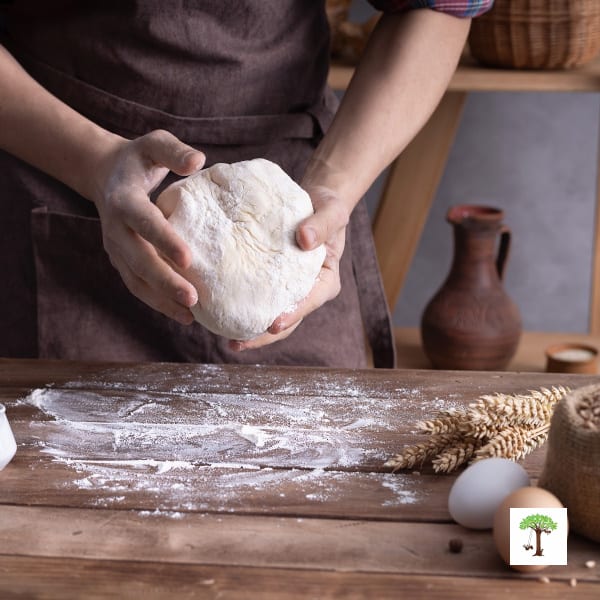
Nothing embodies the essence of the first harvest better than freshly baked bread. Honor the grain harvest by kneading and baking a loaf of bread from scratch. First, purchase whole grains from a local farm, farmer’s market, or health food store. Next, grind them into flour using an old-fashioned grain mill before baking homemade bread and other delicious treats for your Lammas celebration.
I recommend the Nourishing Traditions Cookbook and The Nourishing Traditions Cookbook for Children for healthy cooking and eating, including baking delicious bread from scratch, as shown in the photo below.
3. Create an Altar:
Creating an altar for Lughnasadh is a beautiful way to immerse yourself in the spirit of this ancient Celtic festival and connect with the abundance of the harvest season. A simple altar can be created indoors or outdoors as a tribute to the first harvest of the year. Set up a sacred space adorned with fruits, vegetables, grains, flowers, symbols of the sun, or other symbols of harvest or the season’s bounty. If you want to make an altar for Lughnasadh, try any of the ideas below:
How to Make an Alter for Lughnasadh or Lammas:
- First, choose a sacred space in your home or garden that resonates with you.
- Then, cover the surface with a cloth in earthy tones to symbolize the Earth and the harvest.
- Next, gather items representing the season’s bounty, such as sheaves of wheat, corn husks, sunflowers, or seasonal fruits.
- Each element will serve as a focal point to honor the abundance of nature’s gifts.
- Incorporate symbols of the sun, the fire element, to reflect the fiery energy of the season. Candles in warm colors, such as gold, yellow, or orange, are ideal.
- The fall nature table in the photograph below is a beautiful example of elements you can include.
- Discover tips for creating an autumn nature table at the link for the DIY tutorial above, which shows you how to craft a seasonal nature table that honors nature and the seasons.
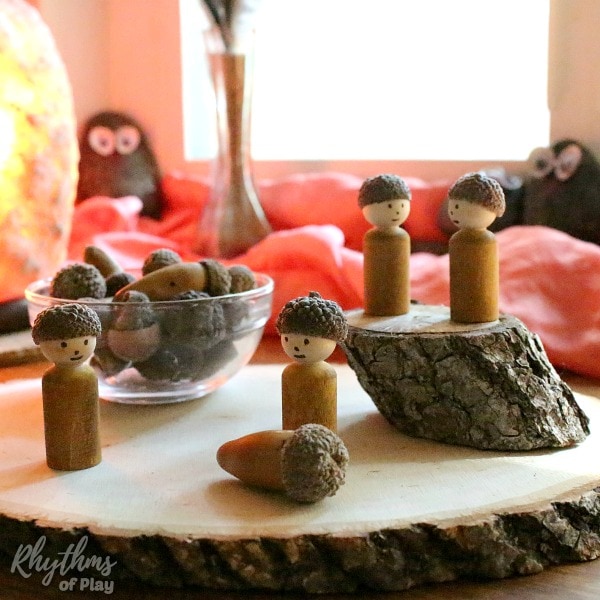
Add natural elements like dried herbs, leaves, acorns, or pinecones to celebrate the beauty and cycles of the Earth. You can also include personal items, like crystals or symbols of deities associated with harvest and abundance, to infuse the altar with your unique energy and intentions.
Whether you follow traditional shamanic or Celtic practices or create a personal ritual, an altar can become a powerful focal point for celebrating Lughnasadh and embracing the rich tapestry of the harvest season. As you arrange the altar, let your intuition guide you and allow your creativity to flow.
Allow the altar to become a sacred space where you can express gratitude for the blessings in your life, reflect on your inner harvest and growth, and set intentions for the coming months to continue your conscious awakening. Offer gratitude and prayers for the harvest season and ask for continued abundance.
4. Explore Nature:
Get outside and Connect. Take a leisurely hike or nature walk to appreciate the beauty of the changing landscape. Gather wildflowers (if permitted), acorns, colorful leaves, and other natural treasures to create nature-inspired decorations for your home or altar. For inspiration, consider this list of nature craft ideas and art activities, or try the other harvest crafts recommended within this article. You might also enjoy this list of outdoor activities for kids.
5. Enjoy Outdoor Gatherings And Celebration Activities:
Lughnasadh is often celebrated outdoors, allowing individuals to immerse themselves in nature. Arrange a picnic or a bonfire gathering in nature, or organize a meeting in a local park, a garden, or even your backyard. Invite friends and family to join you in celebrating the last days of the summer sun this August.
Choose a location to create a sacred space, such as a circle of stones or a Lunasa altar, or spend time near a creek, river, lake, or ocean to cool off and have fun. Share stories, sing songs, and express Earth’s gratitude for the Earth’s abundance.
6. Enjoy Traditional Outdoor Games and Athletic Competitions:
Lughnasadh festivities often include games, competitions, and races. To add a sense of playfulness and fun to your first fall harvest celebrations, organize traditional summer games and athletic competitions. Alternatively, if it’s an Olympic year for the summer games (e.g., 2028, 2032, 2036, 2040), consider watching the Olympics from home. Or, even better, travel to see the Summer Olympic Games to honor this ancient Lughnasadh tradition.
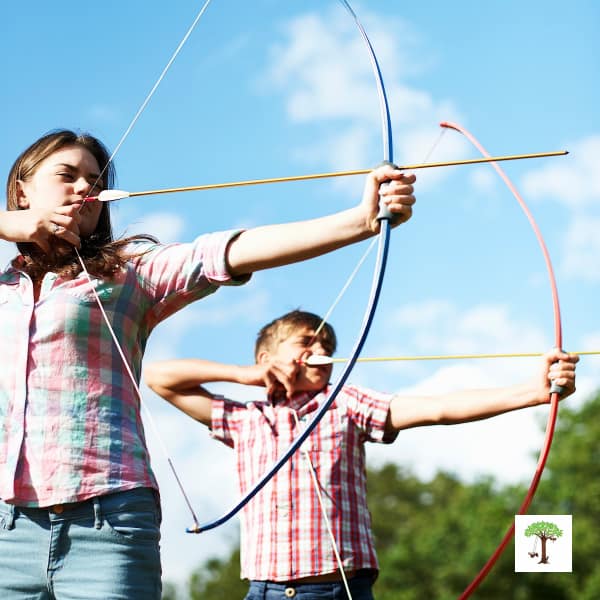
Games and friendly competitive activities on Lughnasadh provide entertainment and help connect us to the joyous spirit of harvest celebrations. Some popular outdoor games and activities for harvest include sack races, three-legged races, tug-of-war, apple bobbing, and archery contests, as shown in the photograph below.
Ancient Lughnasadh Festivals:
In ancient times, the festival of Lughnasadh came alive with vibrant harvest celebrations and exhilarating athletic competitions that echoed the legendary prowess of the Celtic god Lugh. These games held a special place in the hearts of the Celtic people, as they embodied the spirit of strength, skill, and unity.
Lugh’s mother, Tailtiu, played a crucial role in the origin of these athletic games and events. According to mythology, Tailtiu, a mighty queen, cleared the plains of Ireland to create fertile farmlands, but the arduous labor took a toll on her, and she died from exhaustion. In her honor, Lugh established the Lughnasadh Games, also known as the “Tailetiann Games,” to bring the people joy, healing, and camaraderie during harvest.
These competitions included feats of strength, agility, courage, and talent, ranging from chariot racing, swimming, and wrestling to archery and spear throwing. The celebration of athletic prowess was a tribute to Tailtiu’s hard work and Lugh’s boundless admiration for his mother.
The Lughnasadh Games are a Lughnasadh tradition that is similar to the modern Olympic Games. Both aimed to foster unity among communities, celebrate human excellence, and showcase people’s extraordinary abilities. However, because not everyone was an athlete, the Tailetiann Games often included music and dance performances, artistic displays, and poetry recitals.
7. Go on a Corn Maze Adventure:
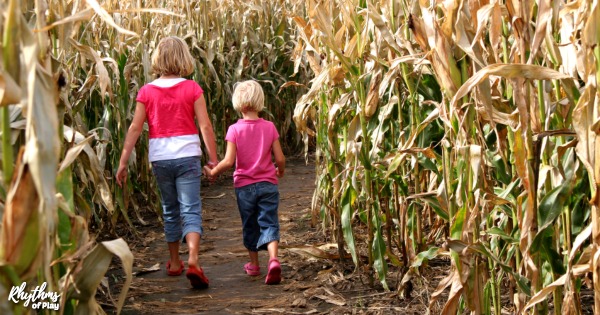
Challenge yourself in a corn maze, a popular activity during the harvest season. Get lost in the labyrinth of towering cornstalks and enjoy the thrill of finding your way out.
8. Climb to the Top of a Mountain:
Celebrate Lughnasadh by climbing to the top of a mountain. Long viewed as a sacred place where the Earth and the Heavens unite, a mountaintop is a great place to celebrate late summer and the changing seasons. Once you reach the top, take a deep breath and enjoy the view. What do you notice? Is the landscape beginning to change around you? Spend time reflecting, meditating, sharing your gratitude, or conducting a simple harvest ritual.
9. Tend a Garden and Harvest the Fruits of Your Labor:
Farmers and gardeners around the world eagerly anticipate the arrival of Lughnasadh, the first harvest festival of the year. These joyous celebrations mark a time of abundance and gratitude for the bountiful fruits of their labor. Tending a garden at this time becomes an intimate dialogue with nature. It’s an opportunity to pause, reflect, and appreciate the miracles of growth and transformation when the earth generously offers its edible treasures.
The vibrant hues of ripening vegetables, the fragrant blossoms of herbs, and the melodic songs of visiting birds create a tapestry of sensory delights. Immerse yourself in the rhythmic dance of sowing, nurturing, and reaping. In the garden, hands gently caress the soil, connecting with the land’s ancient wisdom. Each leaf unfurling, each bud blooming, is a testament to the cycles of life and the interconnectedness of all beings.
10. Go Berry Picking:
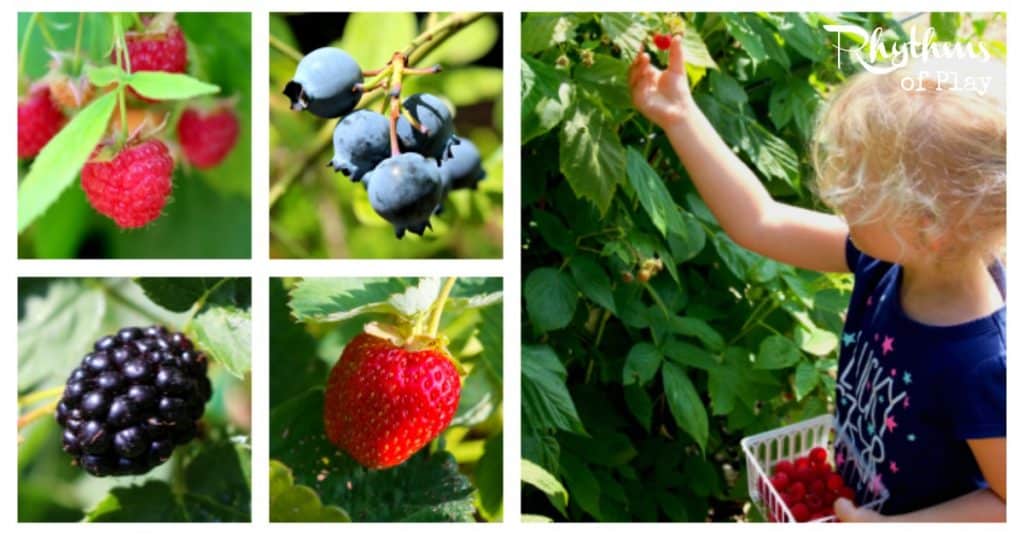
Forage for the fruits of the season on a wild berry-picking adventure. Or visit a farm that allows you to pick and harvest berries and other seasonal fruits and vegetables. Picking berries is a great way to celebrate the harvest season and enjoy a wild adventure with friends and family.
Share what you collect with others or bake homemade treats and confections for your Lammas celebrations. Baking homemade pies, fruit crisps, cobblers, muffins, and tarts made with freshly harvested whole grains and wild foraged fruit, such as raspberries, blueberries, and blackberries, is a simple way to celebrate the changing seasons.
11. Share the fruits of harvest:
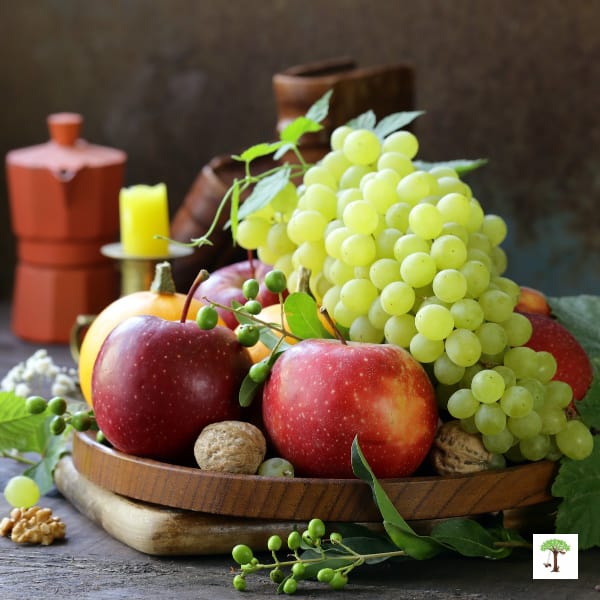
Lughnasadh is a time to offer thanks for the fruits of the harvest. Invite friends and family to gather in celebration to share the fruits of their labor. Encourage guests to bring samples of their garden produce or locally grown fruits and vegetables to trade and share with others. Create a communal table where everyone can display their offerings, filling baskets and tables with a cornucopia of nourishing delights.
As you celebrate Lughnasadh and Lammas, take a moment to pause and honor the sacred bond between humanity and the Earth. Discuss the significance of sharing and the importance of community as you revel in the abundant gifts of the season and eagerly anticipate the next cycle of growth that awaits.
12. Attend Local Festivals:
Seek out local Lughnasadh or Lammas celebrations and festivals in your area. Or create your celebration for Lughnasadh or Lammas with family and friends. Engage with the community, support local growers, and learn more about your region’s agricultural traditions at harvest time.
13. Visit a Local Farm or a Farmer’s Market:
Visit a local farmers’ market or organize a small gathering of local farmers, artisans, and craftspeople to celebrate the first harvest of the year. Engage in lively conversations and purchase fresh produce to support your community and the local economy.
14. Organize a Harvest Feast:
Gather friends and family to share a meal composed of seasonal, locally sourced produce and celebrate the bounty of the harvest season. Invite friends and family to a sumptuous harvest feast showcasing the season’s abundance. Incorporate traditional foods for Lughnasa or Lammas, such as bread, grains, corn, squash, roasted vegetables, berries, apples, and fruit-based dishes.
Or, plan a potluck-style gathering where each person brings a dish made with locally sourced ingredients and seasonal produce. Encourage each attendee to bring a dish representing the harvest’s abundance, highlighting the importance of supporting community gardens and local farmers. Invite everyone to share stories, poems, or songs expressing gratitude for the harvest.
15. Visit a Sacred Holly Well:
Visiting a holly well on Lughnasadh is an ancient tradition deeply rooted in reverence for the sacredness of water and its connection to life, fertility, and healing. People would visit these sacred wells on special occasions, including Lughnasadh, to offer ‘coin and cloth’ and seek blessings, healing, and guidance.
The practice is rooted in the belief that the veil between the spiritual and earthly realms begins to thin at Lughnasadh, making it an auspicious time to connect with the divine and the spirits that dwell within the wells and experience a profound sense of oneness with nature and the spiritual realm. Each person’s experience may differ, so allow yourself to be open to whatever revelations and energies come your way.
16. Enjoy Harvest Crafts and Other Artistic Expressions:
Encourage family and friends to enjoy creative activities related to harvest themes. Engage in crafting activities that honor the harvest, such as creating corn husk dolls, wreaths, and garlands using dried flowers and grains, or crafting with natural materials. Scroll down to see a few traditional harvest craft ideas. For more ideas, explore this list of nature arts and crafts, or visit this collection of fall nature crafts.
17. Make Corn Dolls:
Spend an afternoon crafting corn dollies with friends or family. Corn husk dolls are a traditional craft for the first harvest. You can also make your dolls with freshly harvested wheat or grass. Let your creativity flow as you weave and shape these traditional harvest symbols.
How to Make Corn Husk Dolls:
- Materials: Dried corn husks (wheat sheaths or other collected and dried grasses), twine or string, scissors.
- Instructions: Watch the video below for one easy way to craft corn dolls with freshly shucked corn husks to celebrate harvest.
18. Build a Wicker Man:
Traditionally, a wicker man was constructed for Lughnasadh and set on fire to honor the sun god Lugh. A wicker man is a large, human-shaped structure made from woven willow or other pliable materials. It represents the harvest deity or the spirit of the grain.
A wicker man is like a giant scarecrow, but much more whimsical and less creepy. Think of it as a living sculpture that embodies the essence of nature’s generosity. Imagine a towering figure made entirely of twigs, woven together like a giant basket. Many consider the Burning Man Festival a modern adaptation of this ancient Lughnasadh ritual.
Gather friends and family to make or craft a smaller version using twigs and leaves. Next, safely burn the wicker man as a symbolic gesture to release negative energies and welcome positive change. As the flames consume the wicker man, allow them to carry your hopes, dreams, and gratitude to the skies, symbolizing the release of energy and the cycle of transformation.
Whether you craft a small or large wicker man and watch it majestically burn on Lughnasadh or at the Burning Man Festival, remember the spirit of Lughnasadh and the magic of the harvest season. It’s a spectacular sight, a fiery farewell to the old and a vibrant welcome to the new—a moment of shared celebration and a powerful reminder of the interconnectedness between humans and nature.
It’s a time to honor the Earth’s abundance, unite in joyful unity, and allow the flames of gratitude and renewal to ignite our spirits. May your wicker man blaze brightly with the warmth of celebration and appreciation. A modern wicker man is burning in the video below by The Celtic Witch.
19. Host or Attend a Bonfire Ceremony:
Celebrate Lughnasadh by gathering around a bonfire or creating a small ceremonial fire using a fire pit. Bonfire ceremonies on Lughnasadh bring people together in a shared celebration of the harvest. They are an opportunity to connect with friends, family, and community members, fostering a sense of togetherness and kinship.
This Lughnasadh activity is NOT recommended at this time of year if you live in an area with wildfires, as I do. Fire hazard warnings are at their highest in late summer and early fall (autumn). Please don’t put your family, friends, or community at risk.
Immerse yourself in the warmth and magic of a Lughnasadh bonfire. Bonfires have a way of igniting our spirits and invigorating our energy. The warmth and light of the fire infuse us with vitality, enthusiasm, and a sense of renewal. It’s a chance to recharge, let go of stagnant energy, and embrace the dynamic power of the harvest season.
What is the purpose of a bonfire on Lugnasadh?
Fire has long been associated with transformation and purification. It symbolizes the warmth of the sun and the transformative power of fire. Whether solo or communal, most gather around a bonfire to release the old and welcome the new. The crackling flames symbolize the transformative energy that accompanies the changing seasons.
Hosting or attending a bonfire ceremony can allow one to tap into the mystical power of the season and connect with the divine. These fires provide a sacred space for reflection, gratitude, and setting intentions for the coming months.
Lughnasadh Bonfire Ritual Ideas:
- Light a bonfire and perform a ritual around it to symbolize the sun’s power and offer gratitude for the warmth and light it provides, which nurtures the crops that grow and are eaten.
- Gather around the flickering flames, embrace the warmth, and allow the fire’s energy to ignite your heart and soul as you honor the harvest and welcome the turning of the seasons.
- Offer prayers and intentions to begin reaping what you have sown as the flames dance and crackle.
- Allow the bonfire to become a focal point for sharing and celebrating; engage in storytelling, singing, dancing, and creating lasting memories.

20. Spend time in Gratitude and Reflection:
Spending time in gratitude and reflection on Lammas/Lughnasadh allows us to fully embrace the essence of the festival and cultivate a deeper connection with the cycles of nature and our own lives.
It’s an opportunity to pause, appreciate the blessings in our lives, and set intentions for the future as we continue our journey of growth and transformation. We honor the gifts of the season, deepen our connection to the natural cycles, and nurture a sense of inner abundance and contentment.
Express your gratitude for the blessings in your life and reflect on the interconnectedness of nature, community, and abundance. If you are participating in this gratitude ritual with others at a harvest feast, festival, or bonfire, share stories, poems, or songs that express gratitude and inspire a connection with the Earth, its seasonal rhythms, and natural cycles.
Lughnasadh/Lammas Gratitude Ritual Ideas:
Find a peaceful outdoor setting—a garden, a park, or a quiet spot in nature—and take a moment to immerse yourself in the beauty and abundance around you. Breathe in the fresh air, listen to the sounds of the natural world, and observe the signs of the changing season. Reflect on your connection to the cycles of life and the harvest season. This connection with nature can evoke a sense of the Earth’s gratitude for its gifts.
Or, find a comfortable indoor space and create a simple gratitude ritual. Light a candle, center yourself, and reflect on the blessings and abundance in your life. Express your gratitude by silently or aloud acknowledging the specific things you are thankful for, such as relationships, opportunities, personal growth, or the season’s bountiful harvest.
Allow the warmth of gratitude to fill your heart and make your spirit shine. If you’re unsure where to begin, use these gratitude prompts. Another great way to express gratitude is by coloring, doodling, or writing everything you feel thankful for in a gratitude journal.
You can also use this time to reflect on the growth and achievements you’ve experienced since the start of the year on Lughnasadh/Lammas. Consider the goals you set, the challenges you overcame, and the lessons you learned. Celebrate your personal harvest and the progress you’ve made thus far by acknowledging any efforts you’ve made. You might also enjoy this list of fun gratitude activities and crafts for kids and adults.
21. Enjoy a Handfasting Ceremony (or Wedding):
Handfasting is a traditional marriage ritual that was often performed on the days of Lughnasadh or Beltane. It is a beautiful and symbolic ritual that celebrates the union of two individuals in a committed partnership. Handfasting involves binding the couple’s hands together, symbolizing their connection and commitment to one another as they “tie the knot.”
Consider incorporating a handfasting ceremony if you’re celebrating with your partner (even if you are already married), have friends getting married, or have friends who wish to honor their commitment in this unique way, regardless of whether they have a marriage license. Handfasting ceremonies can vary in their specific traditions and rituals. But they commonly include elements such as exchanging marriage vows, making promises to each other, and binding hands with ribbons or cords.
The couple’s hands are typically bound together in a figure-eight shape, representing the infinite nature of their love and unity. The ceremony is often held in a natural setting or a sacred space, with friends and family present to witness and support the couple’s commitment to one another.
Performing a Handfasting Ceremony:
To perform a handfasting ceremony on Lughnasadh, consider incorporating elements that symbolize the harvest and the season’s abundant energy. Create a sacred space with natural decorations such as flowers, leaves, and grains. Choose meaningful vows that reflect your love, commitment, and intentions as a couple. Exchange these vows while holding hands, and then bind the couple’s hands with ribbons or cords. As you do so, you can recite words of unity, blessings, or even a prayer.
Personalize the handfasting ceremony to reflect your relationship and beliefs, whether you follow traditional Celtic or modern Neopagan practices or train to become a Celebrant with the OBOD (Order of Bards, Ovates, and Druids) today. The key is to infuse the ceremony with love, intention, and a deep connection to the natural world.
22. Consider a Trial Marriage:
Beltane and Lughnasadh celebrations often included a tradition known as “trial marriages” that lasted a year and a day. In many rural communities, unmarried men and women would come together during this auspicious time and participate in temporary marriages, often not knowing who they would marry until the day of the ceremony.
These unions allowed the couples to live and work together as man and wife before deciding whether to commit to a lifelong partnership. After the trial period, the couples could choose to stay together or go their separate ways.
23. Design a Solo, Family, Group, or Community harvest ritual:
Design a solo, family, group, or community ritual to honor the first harvest. This can involve meditation, visualization, or simply spending time in nature to express gratitude for the Earth’s many varied gifts. Design a simple first-harvest ritual that resonates with you and those present. You can include any of the Lughnasadh and Lammas celebration ideas above or create a harvest celebration any way you wish.
Remember, the key to a fun, informative, and engaging Lughnasadh celebration is to involve everyone in meaningful activities, foster a sense of community, and embrace the spirit of gratitude and abundance. Adapt these ideas to suit your personal beliefs and the preferences of your gathering, creating a memorable and enriching experience for all.
Lammas And Lughnasadh Celebration Ideas:
Each passing harvest reminds us that growth is rarely immediate. Seeds disappear beneath the soil long before they sprout and grow into something that sustains us. The same is true in our daily lives.
Lughnasadh marks the transition between the summer solstice and the autumnal equinox, symbolizing the shift from the peak of the sun’s power to its waning strength.
This time of year invites us to pause and notice what we have been nurturing over the past few months. Perhaps you’ve learned a new skill, found greater peace, mended a relationship, or overcome a challenge.
No matter what your harvest looks like, take a moment to celebrate it. Then gather what you’ve learned, share your abundance with others, and prepare for winter and the next season of growth.
Celebrating Lughnasadh or Lammas:
Rejoice in the abundance of the Earth and reflect on the blessings bestowed upon you. Gather your loved ones, engage in traditional activities, or create a new family or community ritual or tradition. May you and yours be blessed with an abundant harvest season.
Happy Lughnasadh and Lammas!
First published in July 2023, this article about Lughnasadh and Lammas celebration ideas is regularly updated to improve the content. You might enjoy these fun summer and fall activities accompanied by beautiful printable bucket lists.
Please visit our About page to learn more about Rhythms of Play. For more information about this website and the author and photographer of this guide to Lughnasadh and Lammas Celebrations, please visit the home page for Rhythms of Play or the author page, Nell Regan Kartychok.
QUARTER DAY AND CROSS-QUARTER DAY FESTIVALS THAT FALL WITHIN THE WHEEL OF THE YEAR:
To learn more about the other quarter-day and cross-quarter-day festivals that are celebrated during the wheel of the year, look at the following list:
- Samhain (Hallows, Halloween)
- Winter Solstice (Yule)
- Imbolc (Candlemas, St. Brigid’s Day)
- Spring Vernal Equinox (Ostara)
- May Eve or May Day (Beltane)
- Summer Solstice (Litha)
- Lughnasadh (Lammas)
- Fall Autumnal Equinox (Mabon)





Leave a Comment