
Samhain is the last of three ancient harvest festivals and the precursor to modern-day Halloween celebrations.
Looking for meaningful Samhain celebration ideas? Learn more about this ancient celebration and discover Samhain celebration ideas, rituals, traditions, and activities to infuse the season with magic. Honor loved ones who have died, share a seasonal meal, make a remembrance altar, or enjoy a lantern walk. This informative guide includes traditional customs and modern activities to help you create a celebration that reflects your beliefs and family traditions.
Samhain is a Gaelic festival marking the end of the harvest season and the beginning of winter. Commonly observed from the evening of October 31 into November 1, it is associated with seasonal change, remembrance, and folklore about the Otherworld. Today, many Pagans, Wiccans, and Druids celebrate Samhain with rituals that honor ancestors and welcome the darker half of the year.
In This Guide
- What Is Samhain?
- Samhain as a Wiccan Sabbat
- Is Samhain the Celtic New Year?
- Samhain Meaning and Pronunciation
- How Do People Celebrate Samhain?
- Samhain, Halloween, and Día de los Muertos
- 21 Samhain Celebration Ideas
- Light a Bonfire
- Honor Ancestors and Loved Ones
- Create an Ancestor Altar
- Hold a Silent Supper
- Visit Loved Ones’ Graves
- Share a Seasonal Feast
- Make Meaningful Offerings
- Explore Divination and Reflection
- Share Stories
- Add Seasonal Decorations
- Carve Turnips or Pumpkins
- Dress in Costumes or Disguises
- Souling, Guising, and Trick-or-Treating
- Light Candles in Windows
- Join a Community Celebration
- Thank Mother Earth
- Prepare for Winter
- Go on a Lantern Walk
- Reflect on the Past Year
- Pass an Acorn
- Explore Other Samhain Rituals
- Create Your Own Meaningful Celebration
What is Samhain?
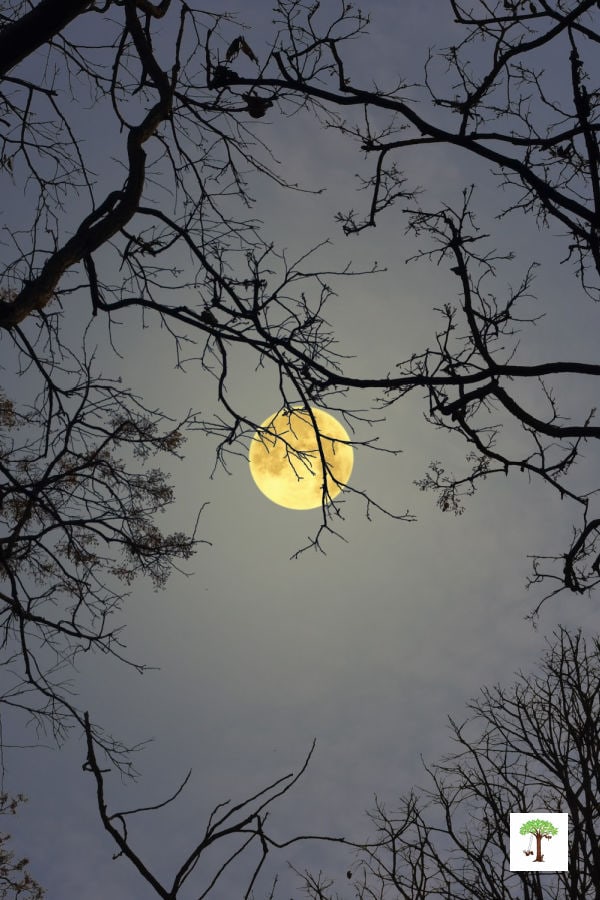
Samhain is a Gaelic seasonal festival marking the end of the harvest and the beginning of winter. Celebrations commonly occur on the evening of October 31 and on November 1. In Irish, Oíche Shamhna means Samhain’s eve, or Halloween. Today, many Pagans, Wiccans, and Druids also observe Samhain. (National Museum of Ireland guide, PDF)
Samhain as a Wiccan Sabbat
In contemporary Wicca, Samhain is one of the eight seasonal Sabbats in the Wheel of the Year. Many practitioners observe it with ancestor remembrance, reflection, and ritual. Some believe the boundary between the living and the spirit world is especially thin at this time.
Is Samhain the Celtic New Year?
Many contemporary Pagans and Druids celebrate Samhain as a spiritual New Year. However, historical evidence does not establish it as a shared New Year celebration across all ancient Celtic cultures.
The transition from harvest to winter makes Samhain a meaningful time to close one cycle and welcome another. As much of the natural world enters dormancy, the promise of renewal lies ahead. For many who celebrate today, this seasonal turning point symbolizes the cycle of life, death, and rebirth.
You can honor Samhain as a time of change and transformation by reflecting on the past year, remembering loved ones, and setting intentions for the months ahead.
What does Samhain mean?
Samhain is the Irish name for November and the seasonal festival associated with its beginning. A common English pronunciation guide is “SOW-in,” with the first syllable rhyming with “cow.” Pronunciation varies by language and dialect.
How do people celebrate Samhain?
People celebrate Samhain in different ways depending on their beliefs, community, and family traditions. Contemporary celebrations may include remembering ancestors, sharing seasonal food, lighting candles, telling stories, practicing divination, and reflecting on the year.
Some activities have connections to Gaelic seasonal folklore; others are modern spiritual practices or creative family adaptations. Choose the ideas in this guide that feel meaningful to you and the people you are celebrating with, if any.
Is Samhain the Same as Halloween or Día de los Muertos?
Samhain, Halloween, All Saints’ Day, and Día de los Muertos are distinct observances, although some occur at the same time of year or share themes of remembrance.
Samhain marks the seasonal transition into winter in Gaelic tradition. Halloween falls on October 31, the evening before the Christian feast of All Saints’ Day on November 1. All Saints’ Day honors Christian saints; All Souls’ Day, on November 2, commemorates the faithful departed.
Día de los Muertos is a Mexican celebration honoring deceased loved ones, shaped by Indigenous and Catholic traditions. Learn more about it at the following link: UNESCO: Indigenous Festivity Dedicated to the Dead (Día de los Muertos).
Samhain Rituals, Traditions, and Celebration Ideas:
The Samhain celebration ideas below bring together seasonal customs, contemporary spiritual practices, and creative family activities. Their origins vary, but each offers a way to explore remembrance, gratitude, or the changing season. Following is a list of traditional Samhain celebration ideas:
1. Lighting Bonfires for Samhain:
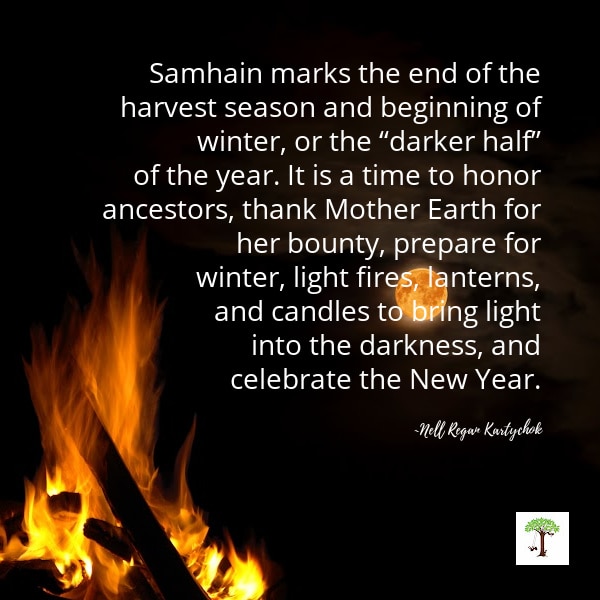
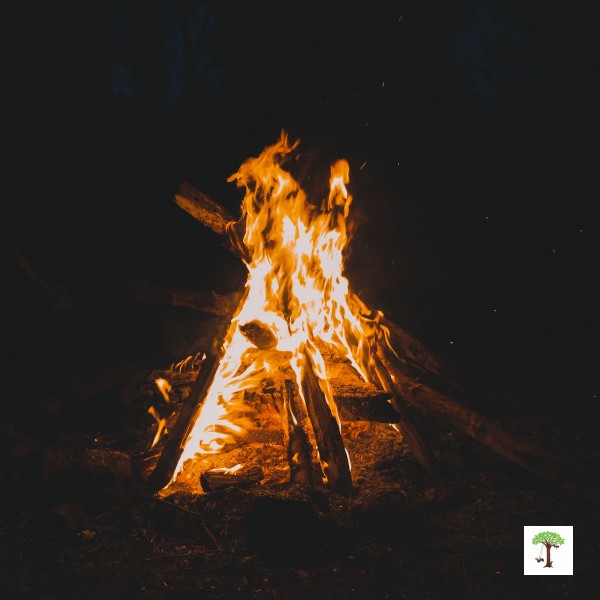
Lighting a bonfire is a traditional way to celebrate Samhain. Bonfires feature in Gaelic seasonal customs associated with Samhain and Halloween, bringing communities together as the days grow colder and darker. In seasonal folklore, fire was associated with protection, and people sometimes lit bonfires to ward off harmful supernatural forces.
Today, gather around a backyard bonfire to share stories, remember loved ones, or reflect on release, protection, and transformation as the wheel of the year turns. Enjoy its warmth and light as you welcome the darker half of the year. Choose a location where fires are permitted, and learn how to enjoy a bonfire safely with kids.
For a quiet celebration at home, a candle or battery-operated lantern can provide a focal point for remembrance and reflection. Choose the option that best suits your household or those you are celebrating with, if any.
2. Honor Ancestors and Deceased Loved Ones:
Remembering ancestors and deceased loved ones is an important part of many contemporary Samhain celebrations. Share a favorite memory, prepare a loved one’s favorite food, look through family photographs, or spend a few moments in quiet reflection. Choose practices that respect your feelings, beliefs, and cultural traditions.
Honoring the deceased on Samhain is deeply personal. Choose practices that resonate with your feelings, beliefs, and cultural customs. The following celebration ideas offer additional Samhain rituals commonly performed to honor ancestors.
3. Create an Ancestor Altar:
An ancestor altar creates a space to honor deceased loved ones at Samhain. You can approach it as a spiritual altar or a family remembrance display, using photographs, keepsakes, and meaningful objects.
How to Make an Ancestor Altar
- Choose a location. Use a shelf, table, dresser, fireplace mantel, piano, or windowsill where your display can remain undisturbed.
- Add personal items. Arrange photographs, heirlooms, and mementos that remind you of those you wish to honor.
- Include seasonal touches. Decorate with autumn leaves, gourds, acorns, or handmade crafts.
- Place an optional offering. Include a loved one’s favorite food or drink, or a symbolic item such as an apple or herbs.
- Add light. Use candles or leaf lanterns, keeping flames away from flammable decorations. Battery-operated candles are another option.
- Pause for remembrance. Share memories, express gratitude, or quietly reflect on your connection to those who came before you. If it fits your beliefs, invite the presence of departed loved ones to join you.
4. Feast of the Dead: “Dumb Supper,” or “Silent Supper” Samhain Tradition:
Sharing a meal in remembrance of ancestors is a meaningful way to honor deceased loved ones at Samhain. Some contemporary practitioners observe a “silent supper,” also called a “dumb supper”—using “dumb” in its older sense of silent. Participants eat in silence while reflecting on those they wish to remember.
Set an extra place at the table for the departed, and include a photograph, keepsake, or favorite food. If it fits your beliefs, invite their spirits to join you. Candlelight or battery-operated candles can create a quiet atmosphere for remembrance.
Some versions include symbolic actions, such as serving dessert first or using the non-dominant hand, but these are optional. Before or after the silent meal, speak your loved ones’ names and share memories aloud. For a family adaptation, share stories during dinner and finish with a quiet moment of remembrance. Choose an approach that feels comfortable and meaningful to everyone taking part.
5. Visit the Graves of Loved Ones:
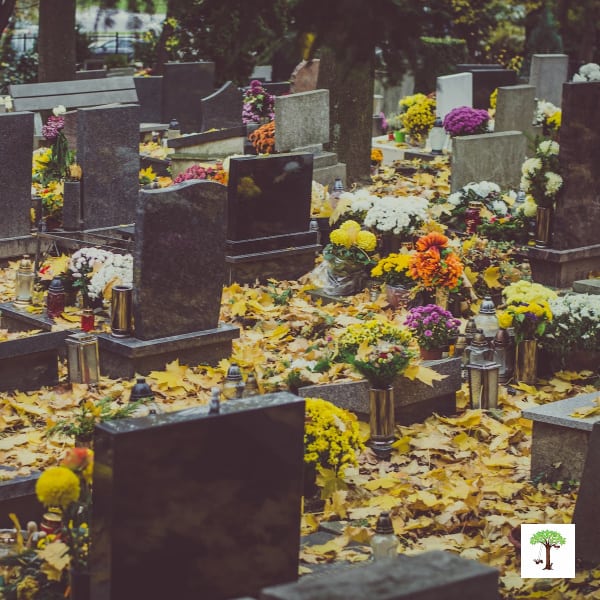
Visiting the graves of loved ones is another simple way to honor ancestors for Samhain. As shown in the photograph below, people commonly leave flowers and offerings on or near their ancestors’ graves. They also spend time in quiet reflection, remembrance, and gratitude.
6. Feasting to Celebrate Samhain:
In the modern Pagan Wheel of the Year, Samhain is often celebrated as the final harvest festival, following Lughnasadh and the autumn equinox, often called Mabon. A shared feast is a meaningful way to give thanks for the season’s bounty and gather with loved ones before winter.
Celebrate with a harvest-inspired meal using apples, pumpkins, root vegetables, grains, or other locally available seasonal foods. Invite everyone to contribute a dish, share family stories, and reflect on the work and care that brought food to the table. You might also preserve some seasonal produce to enjoy during the colder months.
Your menu could include traditional Irish dishes such as colcannon (mashed potatoes with cabbage), barmbrack (a fruit-studded bread sometimes associated with fortune-telling customs), or your family’s favorite autumn dishes. Gather to thank Mother Earth for her gifts, honor ancestors, and build community.
7. Seasonal Food Offerings: Leave Offerings for Spirits or Nature:
Offerings can be a meaningful part of a Samhain celebration for those whose spiritual traditions include them. Food, drink, or symbolic gifts may express gratitude for the harvest, honor ancestors, or acknowledge deities, fairies, and land spirits. Meaning varies by the practitioner’s beliefs and customs.
To include an offering in your celebration, place a small portion of bread, fruit, or a loved one’s favorite food in a dish on your altar. Speak a few words of thanks or quietly reflect on your intention. Leave it for the duration of your ritual, then clear it away.
If you prefer an outdoor observance, choose an offering that will not harm wildlife or leave litter, such as tending a garden or caring for a natural space. These simple acts can express gratitude to Mother Earth while deepening your connection with the land and the season.
8. Divination and Fortune-Telling:
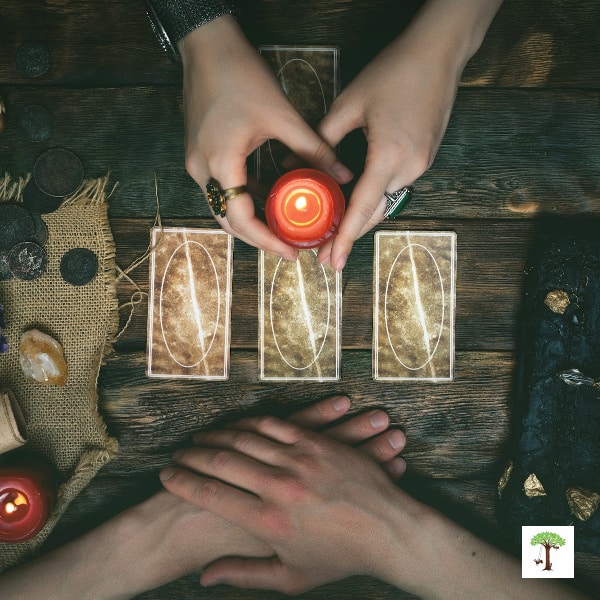
Some contemporary practitioners celebrate Samhain with divination and personal reflection. If this fits your beliefs, use the occasion to explore questions about the past year or consider your intentions for the season ahead.
Practices might include interpreting dreams, casting stones or runes, tarot cards or oracle cards, using a pendulum, or scrying with water, a mirror, or a crystal ball. Choose a method that feels meaningful within your spiritual practice.
One approach is to draw a card for each month of the coming year and reflect on its symbolism as a theme to explore. Record your impressions in a journal and revisit them over time. If you prefer, skip divination and use journal prompts to reflect on memories, changes, and hopes for the future.
9. Storytelling and Oral Traditions for Samhain:
In ancient Celtic cultures, storytelling was sacred. Bards and elders passed songs and stories down orally to preserve history, values, and myths. As families gathered around hearth fires and communal bonfires to celebrate Samhain, they shared stories about gods, heroes, and the Otherworld.
These stories weren’t just entertainment. They were viewed as a way to connect with ancestral memory and the unseen world. Sharing stories of death, renewal, and survival against all odds was a traditional way to cope with Samhain’s supernatural atmosphere.
Tales about spirits, fairies, and transformation also helped make sense of the approaching winter months. These stories also passed down family traditions and knowledge about ancestors.
Today, you can honor this tradition for Samhain by reading Celtic myths such as The Second Battle of Mag Tuired or the Adventures of Nera. Alternatively, you can share personal family stories to pass down wisdom and strengthen your lineage. Or share funny or scary ghost tales you remember from childhood with your children.
10. Seasonal Decorations and Symbols:
Decorate your Samhain celebration with seasonal objects that hold meaning for you. Fallen leaves, apples, acorns, and dried herbs can represent harvest, change, and the approach of winter. Photographs and keepsakes can add a personal connection to remembrance.
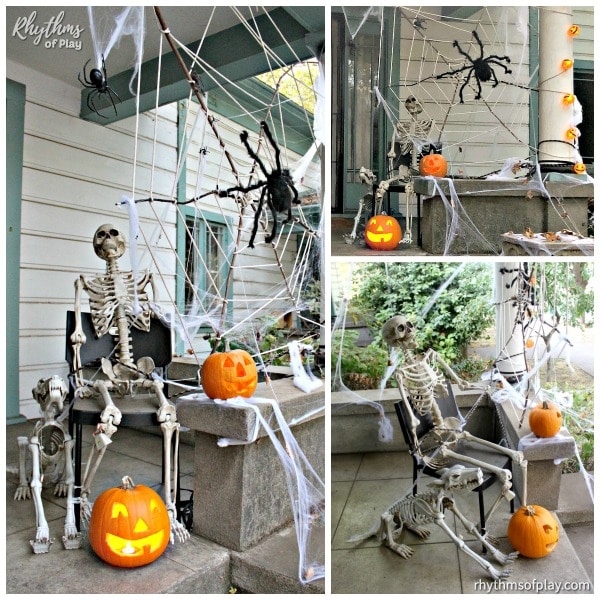
Today, you can decorate your home for Samhain, Halloween, or harvest with black and orange colors to represent death and fire. Add decorative items such as ravens, skeleton figures, cauldrons, spiders, spider webs, and other Samhain-inspired Halloween-themed decorations. My family enjoys weaving a giant spider web with rope and decorating around it with spiders and outdoor skeleton decorations.
Incorporate natural elements such as fallen leaves, acorns, pinecones, gourds, pumpkins, walnuts, and apples. These symbols will help you connect with the earth’s rhythms and the season’s deeper meanings. Feel free to use these natural treasures to make crafts for your seasonal displays and DIY decorations.
11. Turnip or Pumpkin Carving Samhain Celebration Idea:
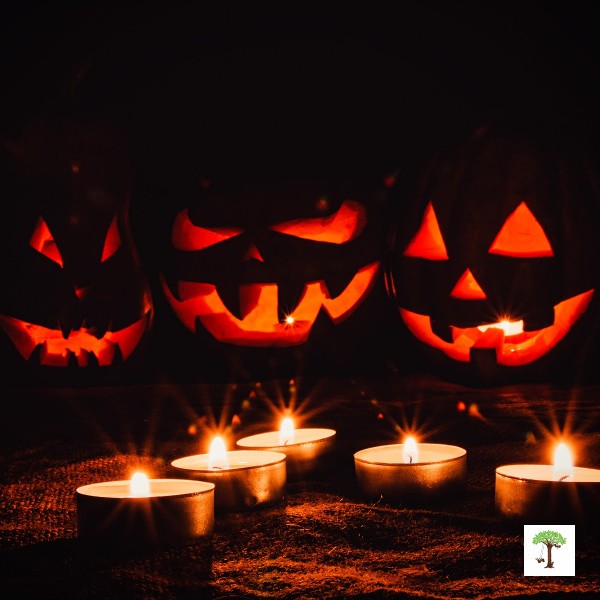
Carving lanterns is a familiar Halloween custom that you can also include in a modern Samhain celebration. Before pumpkin lanterns became popular in North America, people in Ireland and Scotland carved frightening faces into turnips. The National Museum of Ireland preserves an example of this custom, a ghost turnip, in its folklife collection.
These lanterns are associated with folklore about wandering spirits and protection from supernatural harm. One story connected with the jack-o’-lantern is the Irish tale of “Stingy Jack,” a wandering soul who lights his way with a glowing coal inside a hollowed-out turnip. The tale offers a folkloric explanation for the lantern’s name.
As Irish and Scottish immigrants helped shape Halloween celebrations in North America, pumpkins became a popular choice for carving. Their availability, size, and softer flesh made them a practical alternative to turnips. For your celebration today, carve a pumpkin, or choose a no-carve decorating activity and place a simple candle inside.
If you’re up for a challenge, you can honor the original tradition by carving turnips. Or make protective pumpkin lanterns with meaningful symbols to keep away negative spirits for Samhain. Visit this list of fall nature craft ideas to see a few pumpkin carving ideas you can try.
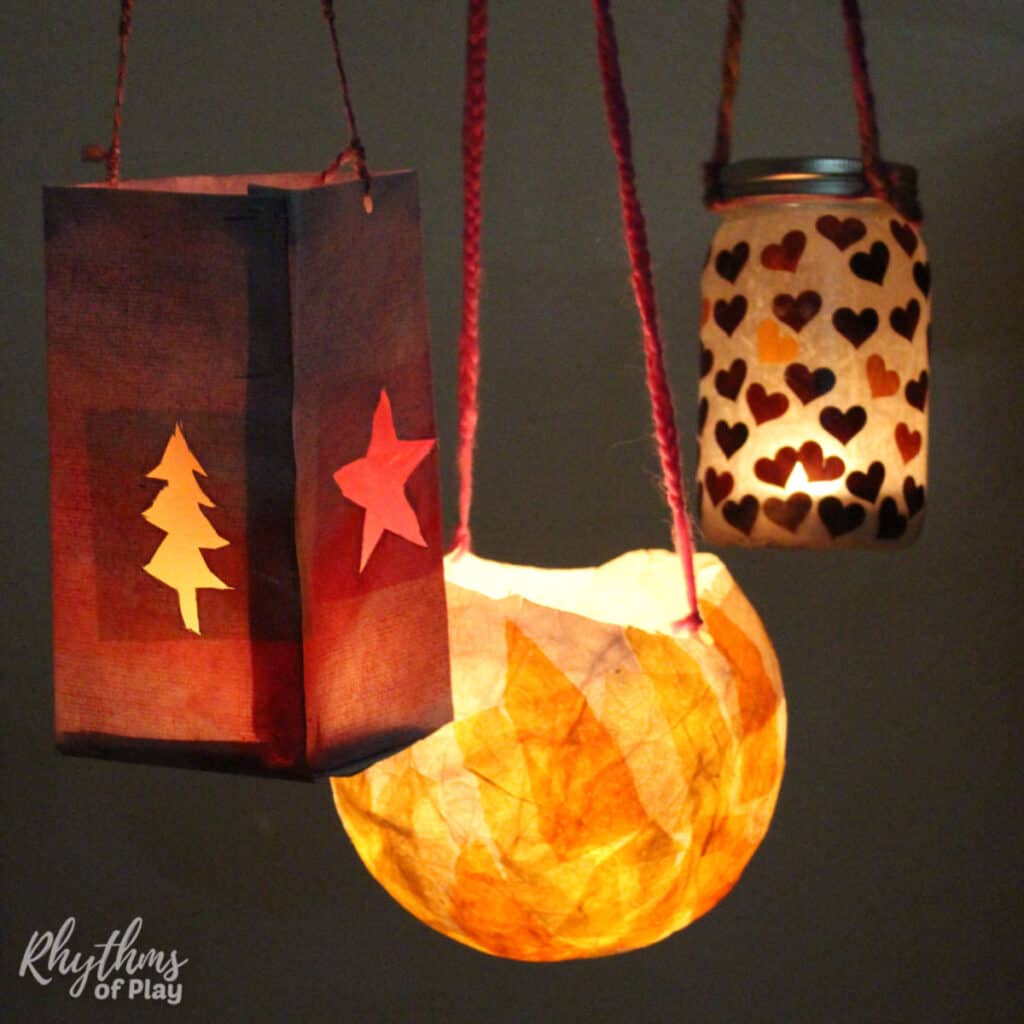
The list also includes a few no-carve pumpkin decorating ideas you might enjoy instead of carving if you are decorating with young children. Alternatively, you can make Halloween lanterns or glowing leaf luminaries with our step-by-step tutorial.
12. Dressing up in Costumes or Disguises:
Costumes and disguises can bring playfulness, mystery, or personal symbolism to a Samhain celebration. For those who believe the boundary between the living and the spirit world grows thin at this time, dressing as a supernatural figure offers a way to explore the season’s folklore.
Halloween costumes often connect to traditions of guising and mumming, which involve disguises and performances. Stories about dressing to confuse or ward off spirits offer one explanation for seasonal disguises, but their origins are varied.
Wearing costumes and going trick-or-treating are still popular Halloween traditions for many people today. If you’d like to dress up for your Samhain celebration, choose a costume inspired by a favorite story, a seasonal symbol, or a quality you wish to embody.
Dressing up can be a spiritual act: you might portray an archetype, such as a wise elder or warrior, or explore an alter ego to reflect on less familiar aspects of yourself. Costumes also offer opportunities for creativity and personal expression at Halloween parties, community gatherings, and trick-or-treating.
13. Souling, Guising, and Trick-or-Treating:
The modern Halloween tradition of dressing up and going door-to-door, known as trick-or-treating, likely originated from the medieval custom called “souling,” where the poor dressed up to visit houses on All Souls’ Day (November 2), offering prayers for the dead in exchange for coins, food, or “soul cakes.”
A later tradition that developed in Scotland and Ireland called “guising” involved children dressing up in “guises” (disguises or costumes), going door-to-door, and performing tricks or songs in return for treats. Children in disguise were expected to sing a song, tell a joke, or recite a poem to receive a reward or treat, such as fruit or nuts, without the religious act of praying for souls. In other words, it was a secular version of “souling.”
Today’s version, trick-or-treating, mixes these customs. The key difference is that modern trick-or-treating usually involves saying “trick or treat” at the door and receiving candy, or an alternative Halloween handout, without expecting a performance.
14. Light Candles in Windows:
Placing a candle in a window is a meaningful way to express welcome and remembrance at Samhain. Its light can honor someone who has died or, if it fits your beliefs, symbolize a beacon welcoming ancestral spirits home. You might also light it with an intention of protection or as a symbol of the thinning veil.
Choose a color that reflects your intention. In some contemporary practices, white represents purity, black protection, blue peace, and orange the season. Spend a few quiet moments meditating, sharing memories, or reflecting in its glow. Use a battery-operated candle if you plan to leave the light on overnight, and never leave a burning candle unattended.
15. Group Rituals or Coven Gatherings: Community Samhain Celebrations and Festivals:
Samhain was originally a communal celebration where tribes gathered to share food, stories, and rites. In modern Pagan, Druid, and Wiccan traditions, Samhain is often one of the most essential Sabbats, marked by group rituals that honor the dead and reflect on the year. These gatherings frequently involve group rituals, storytelling, music, and dancing. Many people invite their ancestors to join them in these community celebrations.
If you belong to a grove, coven, or other spiritual group, participating in a shared circle or ritual can strengthen bonds and boost the season’s spiritual energy. I am a member of the OBOD (Order of Bards, Ovates, and Druids). If you’re solitary, you can still host a small gathering with friends. Share a meal, talk about ancestors, light candles together, cast a circle, do a group meditation, or try another Samhain activity.
16. Thank Mother Earth for Her Many Gifts:
Because Samhain marks the end of the harvest season and the beginning of winter, it’s a great time to thank Mother Earth (or Mother Nature) for the many gifts she provides. Contemplate the gifts you receive and thank Mother Earth for her blessings. Spending time contemplating and expressing gratitude for the blessings we receive from our Mother is a great way to celebrate Samhain.
Another fun idea is to decorate a thankful tree with leaves of gratitude. You can also try these gratitude activities, crafts, and games to nurture gratitude at home or in the classroom. Gratitude brings abundance. Practicing gratitude can help us notice and appreciate the good in our lives.
Or consider doing something special to care for Earth or honor Mother Nature. You can make a difference by taking small steps, one change or action at a time. Honoring Mother Earth by pledging to do your part can also be fun at this time of year. After all, Samhain is just as good a time as Earth Day to create a pledge to the Earth!

17. Prepare for Winter:
Samhain marks the seasonal transition into winter in Gaelic tradition, making it a meaningful time to prepare for the colder months ahead. Gathering supplies, preserving food, and tending the home can become simple rituals of care for yourself and your family.
Bring the harvest into your kitchen by storing seasonal produce, preserving fruits and vegetables, or preparing nourishing meals. Make homemade stock for warming soups, freeze pumpkin puree for future recipes, or try pickling, making jam, or canning with a tested recipe.
Alongside these practical preparations, consider what will help you feel rested, supported, and connected through winter. Make room for quiet evenings, comforting routines, and time with loved ones.
18. Go on a Lantern Walk:
Another fun thing to do at the beginning of November, as the days grow shorter and the nights longer, is to go on a Fall Lantern Walk. Visit the link to learn more about this fun fall festival.
A lantern walk is a traditional early winter celebration that inspires a connection to the rhythms of nature, community, and the light that shines from within. Make a fall leaf lantern, a heart leaf lantern, or another lantern to carry into the darkness on a lantern walk.
19. Reflect on the Past Year:
If you observe Samhain as a spiritual New Year, use it to reflect on the cycle that is ending. Remember what you have learned, acknowledge losses, celebrate growth, and consider what you would like to carry into the months ahead.
As the cycle of life enters the “death” phase, Samhain encourages deep introspection and personal transformation. Looking inward and reflecting on the past year is a great way to prepare ourselves psychologically and spiritually for the long nights and cold days of winter ahead.
A modern, meaningful Samhain activity is to journal about your experiences over the past year. Alternatively, you can write about what you would like to release that no longer serves you. You might also set intentions or goals for the coming months. Focus on emotional and spiritual growth, and spending time in contemplation, not only on external achievements.
20. Passing The Acorn
“Passing the acorn” can be a symbolic Samhain ritual for sharing wisdom, responsibility, or encouragement. Like “passing the torch,” giving an acorn to another person can express trust in their potential and hopes for their future.
As the seed of an oak tree, an acorn symbolizes strength, growth, and renewal. As we move from harvest to winter, it reminds us that the promise of new life rests within even the smallest seed.
To try this ritual, give an acorn to a younger practitioner, family member, or friend. Share a lesson, an ancestral memory, or a few words of encouragement. Let the exchange honor those who came before while nurturing the next generation’s possibilities.
To try this ritual, give an acorn to a younger practitioner, family member, or friend, and share a lesson, an ancestral memory, or words of encouragement. When an elder passes an acorn to someone younger, the exchange can symbolize sharing wisdom and continuity between generations. As winter approaches, this small seed reminds us that the possibilities of the future are still taking root.
21. Other Pagan Samhain Celebration Ideas, Rituals, and Ceremonies:
As noted throughout this informative guide, Samhain rituals often involve lighting candles, bonfires, or Jack-o’-lanterns to symbolize remembrance, warmth, or seasonal change. Rituals can also include meditation, divination, and other spiritual practices.
Samhain celebration ideas can also include rituals to connect with the spirit world and the dearly departed. Or pass the wisdom of the elders from one generation to the next, as with the “Passing the Acorn” ritual above.
These rituals and celebration ideas are often passed down from one generation to the next, but they get lost when neglected. Perform any meaningful rituals and ceremonies for yourself, your culture, your community, or your family that you know or remember.
Ask elders if they can remember anything to share with you before they pass on. In other words, practice the Samhain rituals you know and enjoy, and pass them on to the next generation so that they are not forgotten.
Create Your Own Meaningful Samhain Celebration
Choose a few Samhain celebration ideas that reflect your beliefs and the people taking part. A shared meal, remembrance activity, seasonal craft, or quiet reflection can create a meaningful celebration without an elaborate ritual.
Whether you celebrate alone, with children, or in a spiritual community, let remembrance, gratitude, and connection guide your plans. You might also enjoy this list of fall activities with a printable bucket list!
Please visit our About page to learn more about Rhythms of Play. For more information about this website and the author of Samhain activities, traditions, rituals, and celebration ideas, please visit Rhythms of Play or the author page: Nell Regan Kartychok.
Wheel of the Year Sabbat Festivals and Celebration Ideas:
- Samhain – Halloween
- Yule – Winter Solstice
- Imbolc – St. Brigid’s Day – Candlemass
- Ostara – Spring Equinox
- Beltane – May Day
- Litha – Summer Solstice
- Lughnasadh – Lammas
- Mabon – Fall Autumnal Equinox
Halloween Celebration Ideas:
- Halloween Pumpkin Salt Painting
- Giant Spider Web Halloween Decoration
- Skeleton and Spider Web Halloween Porch Decor
- Spider Egg Sac Craft
- Halloween Art Projects and Painting Ideas
- Spider Magnet Crafts
- Harvest Pumpkin Raised Salt Painting
- Spider Door Halloween Decorations
- Glowing Halloween Lanterns and Luminaries






Leave a Comment