
Explore a shore with children to spend time in nature, relax, play, and reap the educational rewards.
A shoreline exploration is more than a walk along the water. It is a chance to observe nature, spark curiosity, and create lasting memories with family, students, or friends. Every trip offers something new to engage the senses. Something unique and interesting to see, touch, hear, and learn. You might also enjoy these outdoor learning activities for kids.
One of my favorite things to do ever since I was a child was to explore shores. Oceans, Lakes, rivers, and creeks all have beaches and banks worth exploring. There are so many interesting things to discover on the shore. From tide pools to river bugs, rocks to shells, wildlife to inanimate objects, you can always count on something to investigate.
All you need to do is visit the edge of a rushing creek, a quiet lake, a winding river, or the ocean shore, then slow down and take a closer look. Every shoreline invites a new discovery or activity to enjoy. These magical places are full of natural treasures, fascinating wildlife, and endless opportunities to learn through play. Whether you are homeschooling, teaching a class, planning a family outing, or simply looking for a relaxing way to spend the day outdoors, exploring shorelines is an easy, rewarding activity for all ages.
This helpful guide to exploring a shoreline was published on July 5, 2015, and is a part of the “Get Outside and Connect” Series. It is regularly updated to remain current.
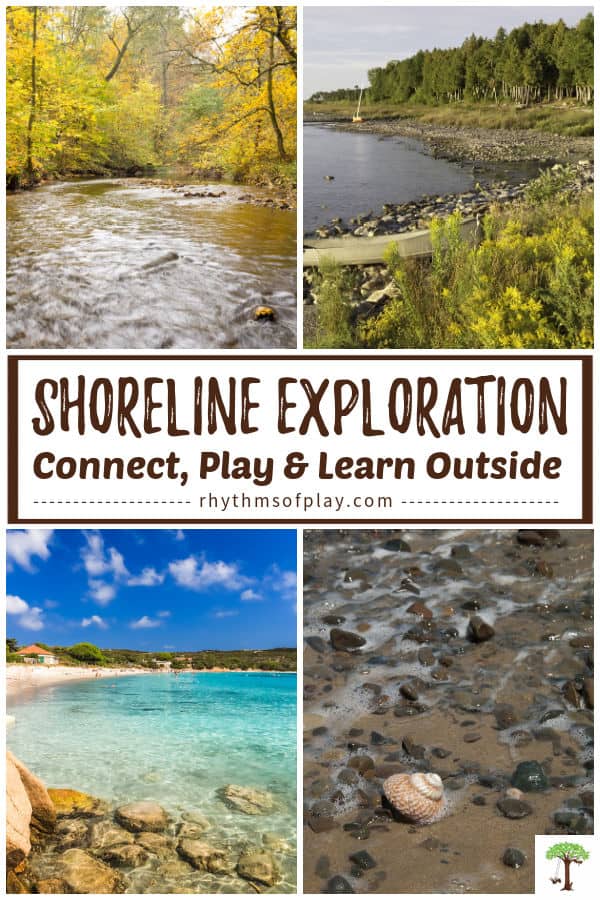
What is Shoreline Exploration?
Shoreline exploration is the practice of observing and enjoying the area where land meets water. This includes the shores of:
- Oceans
- Seas
- Lakes
- Ponds
- Rivers
- Creeks
- Streams
- Bays
- Estuaries
- Wetlands
- Reservoirs
Each shoreline and its features are shaped by moving water, weather, plants, animals, and geology. Because every body of water is different, no two shorelines are exactly alike. Some have sandy beaches, while others are rocky, muddy, at a cliff edge, or covered with smooth pebbles. You might find driftwood scattered along the shore, colorful shells, interesting plants, or tiny creatures in shallow water.
Why Explore Different Shores?
Every shoreline offers a unique experience. Visiting different bodies of water helps children and adults notice how landscapes, wildlife, and ecosystems vary from place to place. A creek may reveal freshwater insects and tadpoles, while a riverbank might showcase polished stones, flower water, and animal tracks. In contrast, a lakeshore often offers calm water, ideal for observing fish, frogs, turtles, and water birds. An ocean beach features tides, waves, seaweed, sheels, tide pools, and marine life.
The more places you visit, the more connections you begin to notice throughout the natural world. Visiting different types of shores in different locations gives children an opportunity to play, explore, and learn. Whether they activate their imaginations and spend hours on a dramatic adventure, find an interesting activity to do alone or with friends, or discover something to explore in more depth. There is always something to do at the water’s edge. You can see my daughter playing with leaves at the shore of a local creek in the photo below.

Benefits of Exploring a Shore:
Spending time near water supports learning and encourages physical activity, creativity, and mindfulness. Many people also find that simply sitting beside the water helps them feel relaxed, calm, refreshed, and connected to the present moment. Don’t buy it, just look at my daughter in the photo above. She was bouncing ahead of me on the trail, making all kinds of noise to let all the animals know we were coming, until the creek shore looked more interesting to her than the trail ahead.
Before I knew it, she was thoroughly immersed in play, as calm as can be. It was almost as if the water called her over to calm her down. Thank you, Mother Nature. Thus, under the right circumstances, visiting a shore can be a calming activity that helps children develop self-regulation skills. Having a tough day at home with the kids? Head for a shore spring, summer, fall, or winter. Explorations can be enjoyed in any season!
Some of the many benefits of a shoreline exploration include:
- Encouraging curiosity and observation.
- Inspiring scientific thinking.
- Building appreciation for nature.
- Supporting physical health through gross motor movements such as walking and climbing.
- Reducing stress and promoting relaxation.
- Encouraging imaginative play.
- Developing patience and focus.
- Strengthening family relationships.
- Creating opportunities for meaningful conversations.
- Fostering environmental stewardship.
Get Outside to Explore a Shore:
Find a shore to explore and make a day of it. You can make it enjoyable by creating a scavenger hunt or homeschool lesson around it, or you can wing it; it’s totally up to you. I recommend packing a picnic, because you always end up staying longer than planned.
We are fortunate enough to have the opportunity to explore different shores of all kinds with our daughter. In the photo below, she is looking for shells and sand crabs on the beach in Santa Monica.

Shores are an important place for us as a family, and we feel fortunate to explore so many of them with our daughter. My husband and I met working on the shores of LA as lifeguards. I retired after 20 years of service to be a full-time mom.
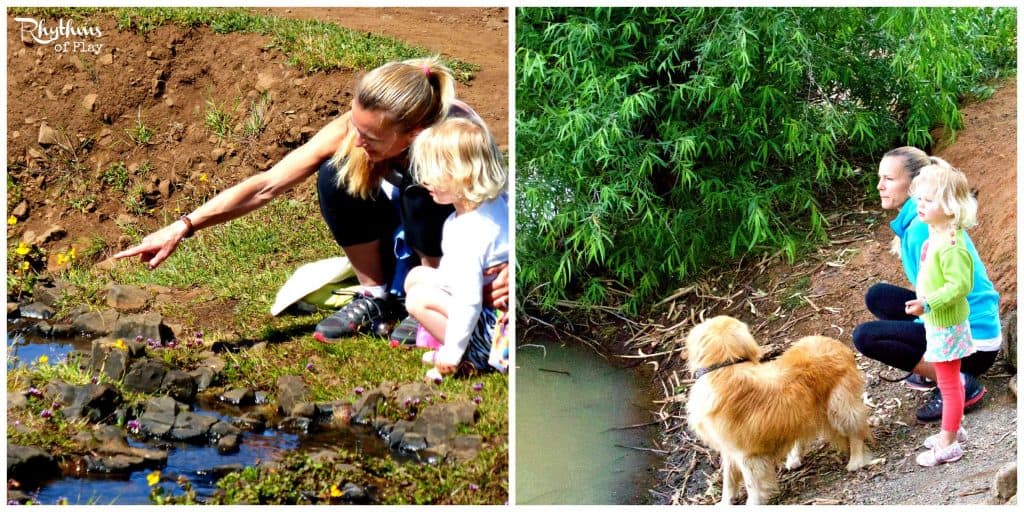
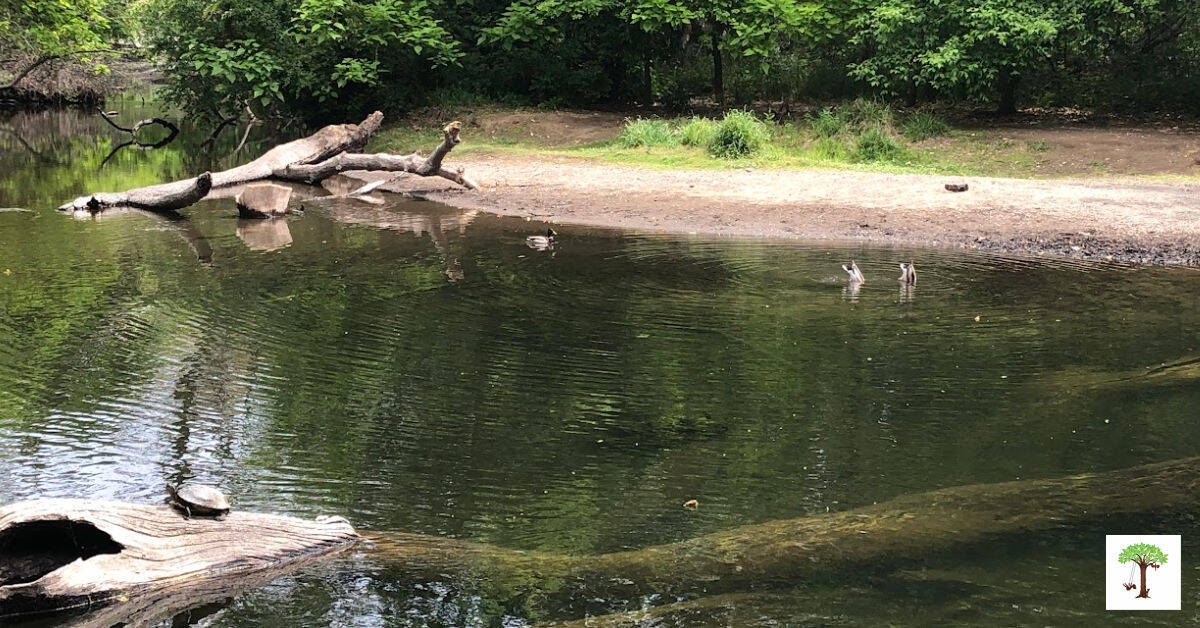
In the photo on the left below, you can see my daughter and me looking at river bugs in a stream on Table Mountain, CA. In the picture on the right, we are sitting on shore observing the birds, ducks, and other wildlife around Horseshoe Lake, CA, after a hike.
Whether you explore the shore of an ocean, lake, or river, there are many beautiful things to investigate. There is nothing better than getting outside and connecting with what matters while learning more about the world around you. The educational opportunities you can explore along the shore below illustrate all of the amazing ways children can learn along the shoreline.
Educational Opportunities Along the Shore
Nature provides one of the best classrooms. Every shoreline becomes an outdoor science lab where children naturally ask questions and seek answers.
Topics you can explore include:
Earth Science:
Discuss concepts such as the water cycle and environmental care. Every water source eventually ends up in the ocean. Observe how water shapes the landscape through erosion and deposition on each shore you explore. Sort and classify different objects, such as rocks or shells. Compare how different shorelines change over time. Consider how different geological structures are formed. Pay attention to:
- Sandbars
- Pebbles and stones
- Rock layers
- Cliffs
- Mud banks
- Driftwood
- Sediment
Biology:
Look for signs of animal and plant life everywhere in and out of the water. Notice how different plants and animals adapt to living near water. A few types of wildlife you might discover include:
- Fish
- Frogs (tadpoles)
- Turtles
- Crabs
- Insects
- Mussels
- Snails
- Sea stars
- Aquatic plants
- Algae
- Mosses
- Wildflowers
- Birds and waterfowl
Weather and Climate:
Watch how the weather changes the shoreline. Ask questions, point out examples, and talk about how storms, droughts, tides, or snowmelt affect each habitat. Observe:
- Wind patterns
- Waves
- Clouds
- Rainfall
- Water levels
- Seasonal changes (Spring, Summer, Fall or Autumn, and Winter)
- The water cycle
Geography:
Compare different bodies of water. Ask questions like:
- Where does this water come from?
- Where does it go?
- Is it freshwater or saltwater?
- How fast is it moving?
- Why does this shoreline look different from another one?
Math:
Practice real-world math with natural materials by:
- Counting shells
- Measuring sticks
- Estimating distances
- Comparing rock sizes
- Graphing observations
- Recording temperatures
Explore the Shore with Your Senses:
Different shorelines are wonderful places for sensory play. Each shoreline offers a rich sensory experience that invites children to slow down, explore, and discover. Children connect with nature by noticing what they see, hear, smell, touch, and even feel beneath their feet.
Sensory play in nature helps children become more aware of their surroundings while building observation skills, creativity, and confidence. It also encourages mindfulness by helping children focus on what they can immediately sense. These simple experiences encourage curiosity, support healthy development, inspire imaginative play, and help children build a lasting connection with the natural world.
Sensory Shoreline Activities for Kids:
- Walk barefoot on sand, pebbles, or mud where it is safe.
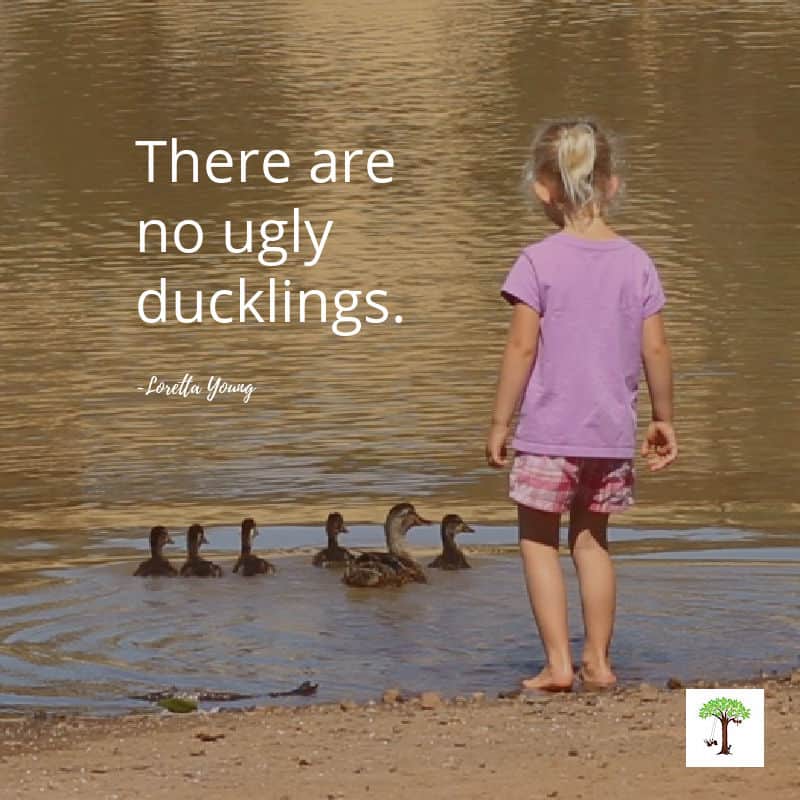
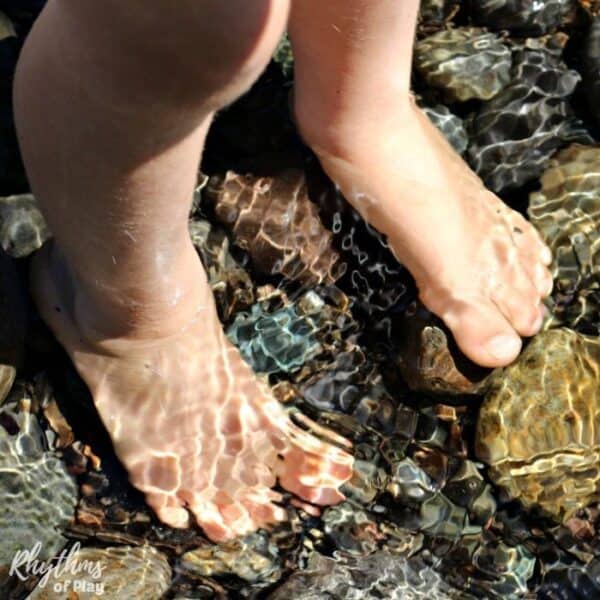
- Put your feet in the water, as my daughter demonstrates in the photo below, to feel the sandy or rocky bottom and warm or refreshingly cool, if not downright cold, water.
- Listen for waves, flowing water, birds, frogs, and insects.
- Feel different natural textures, such as shells, smooth stones, driftwood, moss, and wet or dry sand.
- Build sandcastles, mud pies, stone towers, or nature sculptures.
- Trace patterns in wet sand or mud with your fingers or a stick.
- Skip stones or float leaves, sticks, or bark boats on the water.
- Search for shells, colorful rocks, feathers, or pieces of driftwood.
- Watch fish, birds, insects, crabs, turtles, and other shoreline wildlife.
- Sort natural treasures by color, shape, size, or texture.
- Enjoy a “Sit Spot.” Sit quietly and notice the sights, sounds, and smells around you.
- Create a nature mandala from found materials, then return them to nature.
- Help care for the shoreline by picking up litter before you leave.
Shoreline Exploration for Homeschoolers:
Shoreline exploration makes an excellent homeschool field trip because it integrates science, art, writing, geography, history, and physical education into a memorable experience. Visiting the same shoreline throughout the year helps children notice seasonal rhythms and long-term changes that a single visit cannot reveal. While visiting a shore, children can engage in the following educational activities:
- Keep a nature journal
- Draw plants and animals
- Write descriptive stories
- Identify birds
- Sketch maps
- Collect data
- Photograph seasonal changes
- Practice watercolor painting
- Learn about local ecosystems
Shoreline Activities for Families and Caregivers:
Families and caregivers can turn a simple visit to the shore into an unforgettable adventure. Children (and their caregivers) often prefer simple activities to complicated adventures. Try the following activities the next time you find yourself at a shore:
- Nature scavenger hunts
- Skipping stones
- Searching for shells or interesting rocks
- Building sand sculptures and sand castles
- Watching birds
- Looking for animal tracks
- Creating nature mandalas
- Reading books by the water
- Having a picnic
- Practicing nature photography
- Watching the sunrise or sunset
- Watching leaves float downstream
- Flying a kite at suitable beaches
- Quietly listening to the sounds of nature
- Relaxing or playing on the shore
- Wading and swimming in the water
- Beachcombing
- Relaxing, Fun, and Educational Creek Activities
Shoreline Adventures with Friends:
Exploring together adds another layer of fun. These outings encourage teamwork, conversation, and an appreciation for nature. Groups of friends can enjoy the following activities along the shore:
- Organize shoreline cleanups
- Go birdwatching
- Sketch landscapes
- Paint outdoors
- Try nature photography
- Play collaborative scavenger hunts
- Practice mindfulness
- Share field guides
- Compare interesting discoveries
- Journal together
Creative Activities Inspired by the Shore:
Natural settings often inspire creativity. Please consider taking photographs instead of removing natural treasures whenever possible. Leaving shells, rocks, driftwood, and plants where you found them helps protect wildlife and preserves the shoreline for others to enjoy for years to come. The next time you visit a shoreline, bring along:
- A sketchbook
- Colored pencils
- Watercolors
- Binoculars
- A camera
- A field guide
Here are a few creative nature art project ideas you can try:
- Landscape drawing
- Nature poetry
- Leaf and shell rubbings
- Wildlife sketching
- Story writing
- Watercolor painting
- Nature-inspired crafts using only materials gathered responsibly or found at home afterward
Respecting Shoreline Habitats:
Healthy shorelines support countless plants and animal species. Teaching children to care for these places helps preserve them for future generations. Help protect them by following a few simple guidelines:
- Stay on established trails whenever possible.
- Leave nests, eggs, and wildlife undisturbed.
- Observe animals from a respectful distance.
- Leave natural objects where you find them unless collecting is permitted.
- Pack out all trash.
- Avoid trampling sensitive plants.
- Never feed wild animals.
- Follow local rules and seasonal closures.
- Care for the Earth as much as possible.
Shoreline Safety Tips:
Water is beautiful, but it deserves respect. A little preparation helps ensure everyone enjoys a safe day outdoors. When outdoors:
- Supervise children closely.
- Check the weather before your trip.
- Be aware of tides, currents, waves, and changing water levels.
- Wear sturdy shoes on slippery rocks or uneven ground.
- Bring drinking water, sunscreen, hats, and insect repellent as needed.
- Watch for poison oak, stinging plants, or unstable banks.
- Know your local wildlife and give potentially dangerous animals plenty of space.
- Understand basic beach and swimming safety tips.
Make Shoreline Exploration Part of Your Family Rhythm
One of the best ways to connect with nature is to return to the same places again and again. Make visiting a shoreline a regular activity in your family rhythm. Visit your favorite shoreline each season. Notice the changing water levels, different landscapes or shore changes, blooming plants, migrating birds, shifting weather, and signs of life.
Repeated visits help children develop observational skills and foster a lasting relationship with the natural world. Whether you spend an hour exploring a neighborhood creek, an afternoon relaxing by a lake, or a weekend enjoying the ocean on a beach vacation, every shoreline offers opportunities to learn, play, and grow.
The next time you hear the sound of flowing water or crashing waves, take a closer look. Nature is always sharing its secrets with us. The shoreline is one of its most fascinating classrooms.
Please visit our About page to learn more about Rhythms of Play. For more information about this website and the author of “Shoreline Explorations: Connect, Play and Learn Outside,” please visit the home page for Rhythms of Play or the author page, Nell Regan Kartychok.







Great post. It’s easy to take for granted the fun and learning that can come from a change in scenery. Our kids are getting more exposures to riverside paths and parks, but we equally are so lucky in British Columbia to have lakes and shores nearby to expose them to other sights, sounds, and natural classrooms. Your post is a great reminder to do it more often.
I’m glad you appreciated it Scott… makes all my hard work worth the while. I lived in Vancouver, BC (North Van) for 6 years – I loved it there and hope to return one day. So many amazing natural resources up there, and so many beautiful shores. I miss it and hope my daughter gets to enjoy it with me one day soon.