Start a new family tradition with this list of fun things to do for Easter. (This informative guide also includes the historical origins of Easter traditions and symbols commonly associated with this holiday from around the world.)
Meaningful family Easter traditions create memories that last a lifetime. Make this Easter unforgettable with these joy-filled celebration ideas from around the world. The fun Easter Traditions below include activities you can enjoy with your kids and immediate family, as well as for other relatives and loved ones. Pick one or two new Easter activities to incorporate into your family traditions this year, or read through the celebration ideas below to find out more about them. Families that share special moments and cherished traditions report a stronger connection and bond than families that do not establish these seasonal holiday rhythms and routines. Add to your holiday festivities with the Easter celebration ideas below.
Our fondest memories typically include family traditions and celebrations with relatives, friends, and communities. To make your celebrations more memorable, either create a new family Easter tradition or continue the traditions passed down from one generation to the next. Whether you are looking for Easter activity ideas for kids or want to learn more about Easter and its origins, the list below includes several fun ways to celebrate Easter and a bit of the history behind some of these traditions. First published in February 2016, this article about fun things to do on Easter is regularly updated to improve its content and keep it current. Start a new family Easter tradition with these excellent ideas. You might also enjoy this list of Christmas Traditions.
What do families usually do on Easter Sunday?
There are several fun things to do on Easter Sunday and many ways to celebrate in the days leading up to this festive spring holiday. For instance, many people start the day by attending sunrise church services to commemorate the holiday’s religious significance, reflect on bible verses, and sing Easter-themed songs. While others enjoy spending time outdoors, celebrating the arrival of spring on Easter.
This informative guide includes both religious and secular Easter traditions. Interestingly, most of the most common traditional Easter activities in the United States of America today involve gathering to celebrate traditions that originated in different countries around the world. For example, some families surprise their children with Easter baskets from the Easter bunny on Easter morning, while others exchange them with family members.
Other families celebrate by decorating an Easter tree and making Easter-themed crafts. Another common Easter tradition families enjoy is sharing a festive meal for Easter brunch or dinner. These Easter meals include eggs, breads, and other delicious seasonal foods to enjoy with extended family and friends. Traditional Easter menus usually feature ham or lamb (or a vegetarian alternative), along with side dishes of hard-boiled eggs, seasonal fruits and vegetables, and sweet treats like chocolate bunnies and traditional hot cross buns.
Most Popular Easter Activities for Kids:
The Easter traditions children enjoy most are decorating eggs, getting Easter Baskets, and searching for colorful eggs on an Easter egg hunt, sometimes filled with candy, chocolate, or small toys. Another favorite tradition for kids and families is playing Easter games, baking confections, and enjoying traditional Easter treats, such as chocolate eggs. The list below includes several more Easter activities that make celebrating Easter fun for kids of all ages. You might also enjoy these Easter Art projects and painting ideas for kids. Creating arts and crafts is a fun Easter activity for kids, and a great way to pass the time over the break.

Fun Easter Family Traditions for Kids and Adults:
There are many other fun things to do on Easter than those mentioned above. Several more secular and religious Easter activities for kids and celebration ideas for all ages are explained below, along with instructions for enjoying these traditions from around the world. Choose a new family tradition from the fun Easter traditions and celebration ideas below.
If you’ve ever wondered what the symbols commonly associated with this holiday have to do with Easter, be sure to scroll down to the bottom of this informative Easter Guide. It includes the history and origins of some of the most common Easter traditions and symbols, such as Easter Eggs, Easter Baskets, and the Easter Bunny.
In other words, if you have ever wondered what rabbits have to do with Easter, why there is an Easter Bunny and Eggs, or why we have baskets on Easter, be sure to read to the bottom of this post to find the answers to a few of your most frequently asked questions. I have discovered some interesting information about several Easter traditions for kids to share with you that might surprise you. You might also enjoy these May Day traditions.
Fun Things to Do on (or Before) Easter:
Scroll down to see a giant list of fun things to do for Easter that make trying a new Easter tradition easy. Choose your favorite Easter celebration ideas from the fun family Easter traditions for kids and adults below. You might also enjoy these Spring Activities with a printable bucket list.
Related: Thanksgiving Traditions and Fun Things to Do on Thanksgiving
22 Fun Family Easter Traditions and Celebration Ideas from Around the World:
This extensive list of Easter activity ideas includes fun things to do for Easter and creative ways to celebrate this spring holiday with kids. This first section includes secular Easter celebration ideas; it is followed by a list of religious Easter traditions you can incorporate into your celebrations. After reviewing both lists of Easter tradition ideas for modern and traditional Easter celebrations worldwide, I share a few more details about the history and origins of some common Easter symbols, such as Easter eggs, Easter baskets, and the Easter Bunny. Scroll down to learn more!
Here are some fun family Easter traditions from around the world, including fun activities for kids typically associated with Easter:
1. Make and Decorate an Easter Tree:
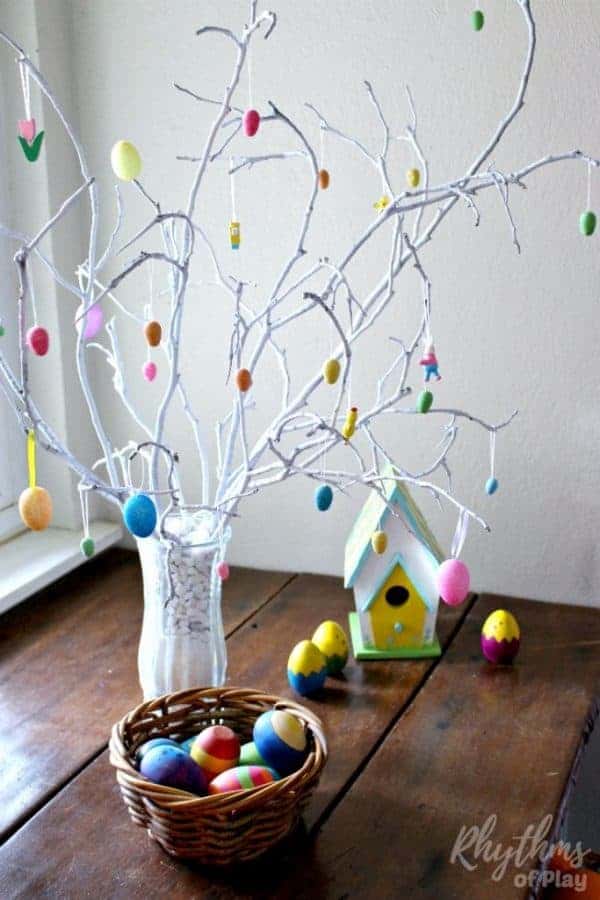
Easter Egg trees (Ostereierbaum) are a traditional Easter ritual that originated in Germany. In the past, Easter trees were outdoor decorations made with hollowed-out eggs. Today, Easter trees are decorated both inside and outside the home with eggs and homemade Easter ornaments.
An Easter egg tree is a beautiful Easter decoration that the whole family can enjoy. Easter trees make lovely centerpieces on the dining table for Easter brunch or dinner. In my family’s home, decorating an Easter tree each year is a cherished household spring ritual we enjoy together. Learn more about the Easter Egg Tree tradition, including how to make and decorate one, HERE–>How to Make an Easter Tree.
2. Get Creative with DIY Easter Ornaments:
Here’s a fantastic list of Easter Ornaments, including instructions for making toilet paper roll birdhouses and other easy Easter decorations for Easter trees, wreaths, and garlands. Making homemade Easter ornaments and other DIY decorations for decorating your home is a fun Easter tradition for kids. Toddlers, preschoolers, kindergarteners, grade-schoolers, and teens will all enjoy making these fun Easter crafts.

3. Read Children’s Easter Books with the Kids:
Reading kids’ Easter books with children is an Easter tradition many parents, caregivers, and educators enjoy. A few of my family’s Easter books for kids are below. You might also enjoy this list of magical spring books for kids.
- The Easter Egg by Jan Brett
- The Story of Easter (Little Golden Book)
- Pete the Cat and the Easter Basket Bandit by James Dean
- How to Catch the Easter Bunny by Adam Wallace
- Marshmallow: An Easter and Springtime Book for Kids
- Llama Llama Easter Egg by Anna Dewdney
4. Make Easter Crafts and Create Easter Art:
Creating holiday arts and crafts was one of my favorite Easter traditions as a child, and it still is. Making Easter-themed crafts such as DIY Easter baskets, Easter bunny crafts such as bead bunnies or bunny ears, and painting Easter art is a lovely way to spend time with your children over the holiday break or in the days leading up to Easter Sunday. Learn how to make several fun Easter arts and crafts with some of the fun ideas on the list of Easter crafts below:
- Easy Bunny Craft
- Pom-Pom Baby Chick Craft
- Watercolor Surprise Easter Egg Art
- Easter Art Projects for Kids and Adults
- Homemade Easter ornaments
- Decorated Wooden Easter Eggs
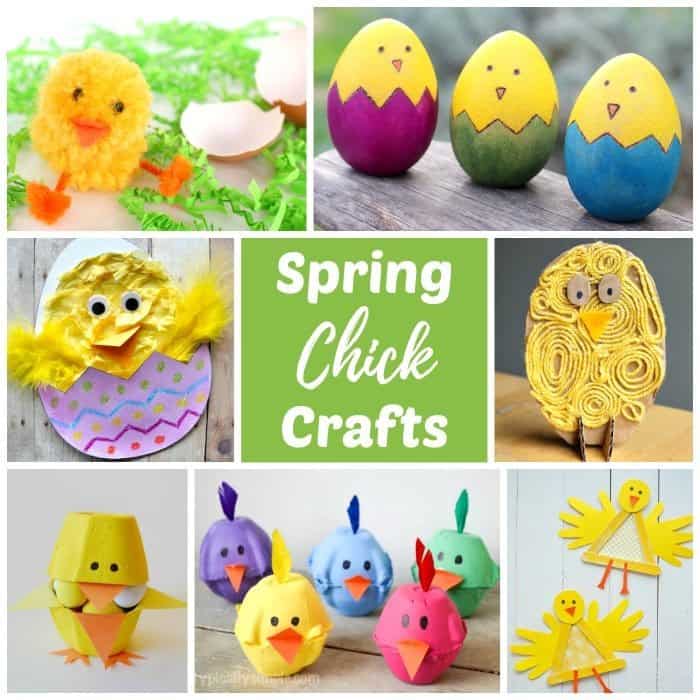
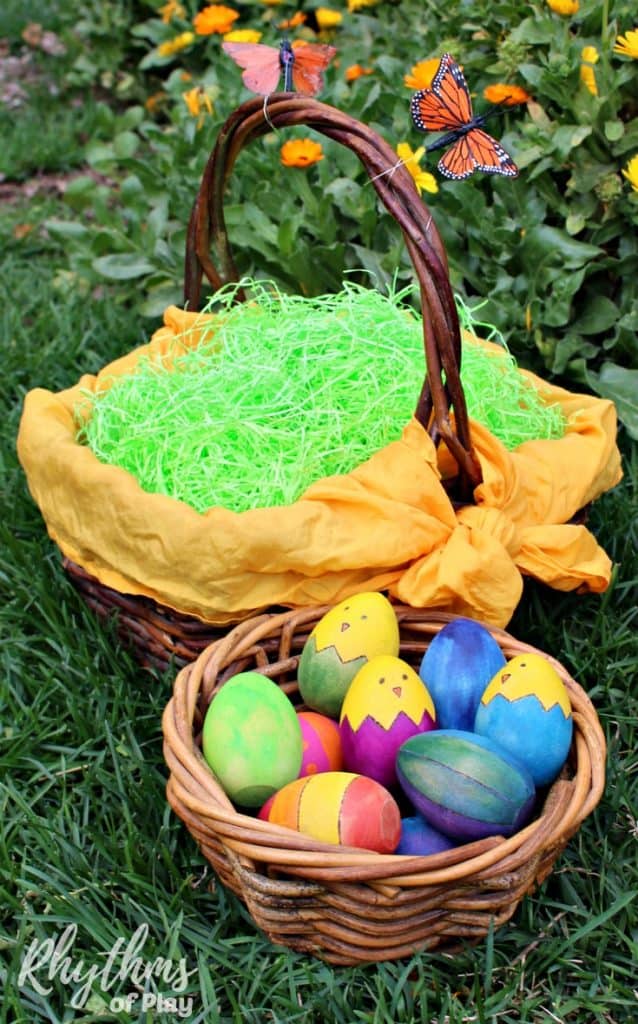
- Easter Chicks Egg Decorating Ideas (photo below in upper right corner)
- Wooden Easter Egg Decorating Ideas
- Baby Chick Craft Ideas (photo below)
5. Decorate Easter Eggs:
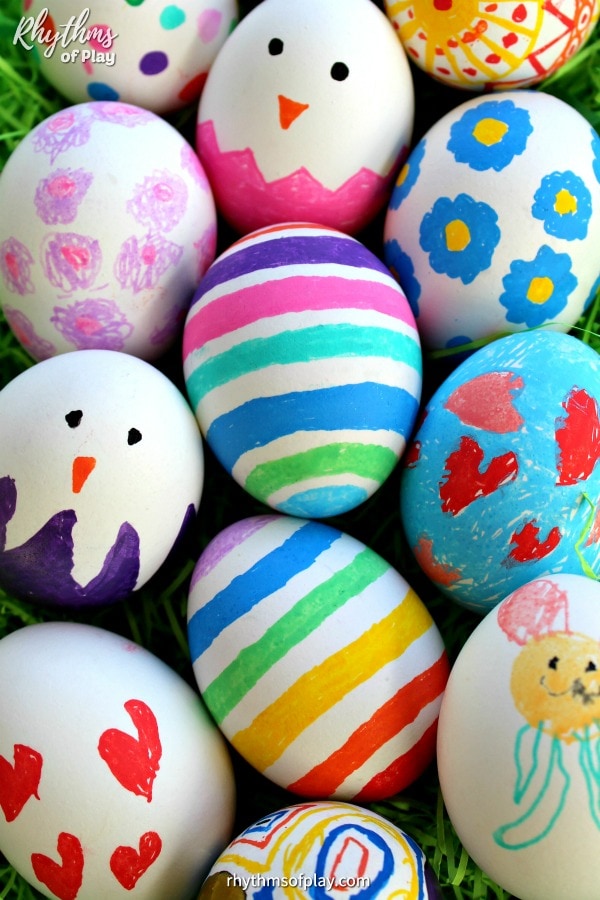
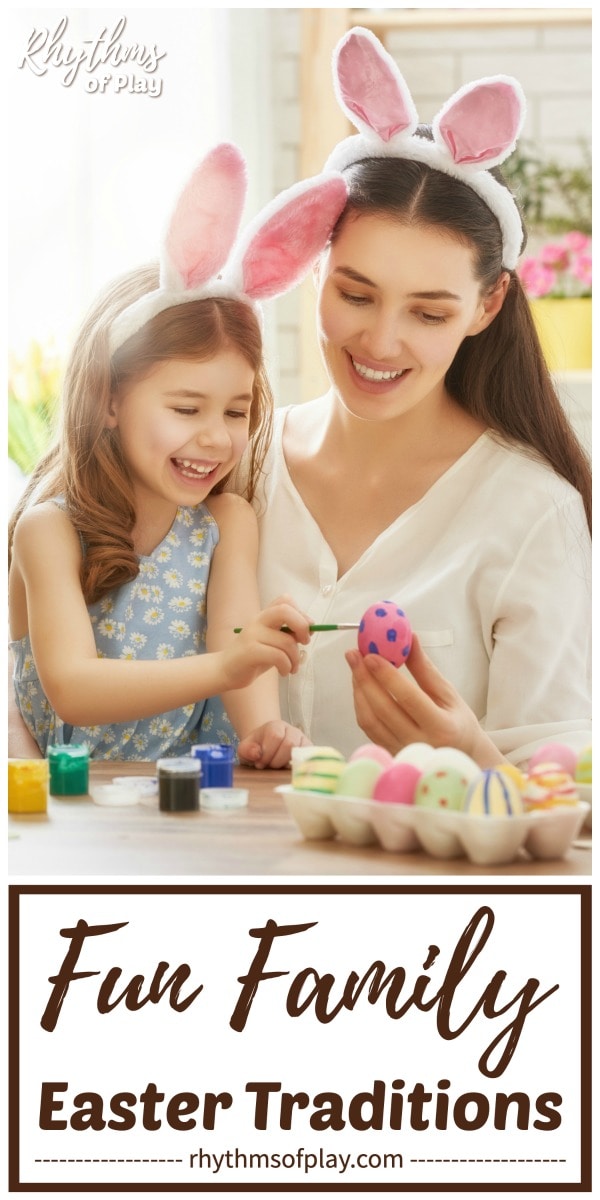
Easter egg decorating is a favorite Easter activity for kids of all ages. Painting and decorating Easter eggs is so popular that it’s one of the most common Easter traditions worldwide. Families decorate hard-boiled eggs with dyes, paints, stickers, and other embellishments, creating beautiful and colorful designs.
There are so many fun ways to decorate Easter eggs. First, decorate hard-boiled, faux white plastic, or wooden Easter eggs with your children. Then, hide them for Easter Egg Hunts and put them in children’s Easter Baskets on Easter morning. Children love to decorate eggs as much as they love to hunt for them!
Decorated wooden Easter eggs don’t spoil, so they can be stored away in the Easter box and used year after year. You can even make keepsake heirloom Easter egg crafts to pass down from generation to generation. For example, we put our Easter Chicks in Easter baskets and hide them for Easter egg hunts every year, and they are still as adorable as the day we made them.
My daughter loves finding them in the backyard. Their cute little faces peek at her when she sees them, and she squeals joyfully! If you prefer decorating hard-boiled eggs, I have discovered a fun hack that makes it easy to color natural brown eggs for Easter. Click the link to learn how! For more creative ideas, check out these Easter egg-decorating ideas.
6. Make Easter Baskets:
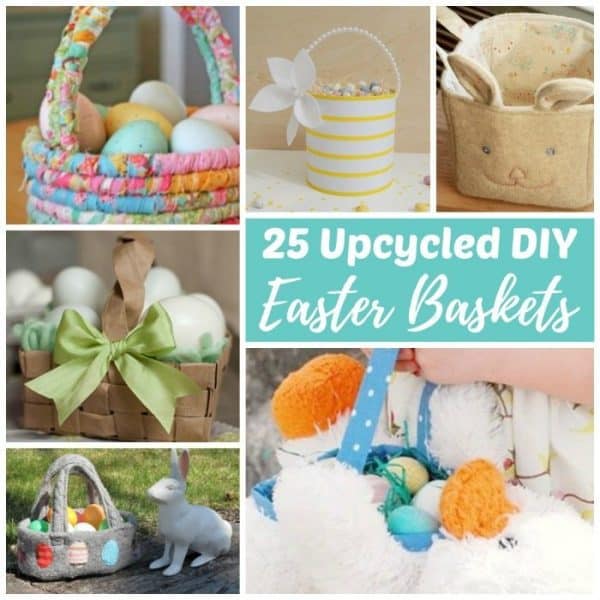
Use the tips in this informative tutorial to put together an Easter Basket for Kids! Either invest in a beautiful Easter basket you can reuse each year, or turn trash into a treasure that the kids will LOVE with upcycled Easter Baskets!
Making Easter baskets from recycled materials is a fun and eco-friendly Easter tradition for kids and families. You can use recycled materials such as paper, fabric, sweaters, milk jugs, juice cartons, cans, bottles, plastic bags, stuffed animals, and more to make recycled Easter baskets.
7. Eat Eggs!
The French traditionally celebrate Easter by eating eggs, just as many people around the world have since ancient times. Enjoy hard-boiled eggs, deviled eggs, make a huge omelette, or cook sweet treats like crapes and other sweet or savory confections that use lots of eggs, such as a quiche made with fresh spring ingredients from your local farmers’ market.
For example, in Bessieres, France, the Members of the Giant Omelette Brotherhood of Bessieres make a giant omelet large enough to feed 10,000 people. They use about 15,000 eggs for this massive omelet on Easter! Or, make Easter Bread with eggs, with this delicious traditional Italian Easter bread. It features a soft, sweet brioche, dough shaped into wreaths of braids. Colored eggs are baked into the bread, and it’s topped with plenty of nopareils. Enjoy this traditional Easter dish with your family for Easter Brunch with this authentic traditional Brioche di Pasqua recipe.
8. Do Some Easter Baking: Bake Bread and Other Traditional Easter Treats
Another Easter tradition the entire family can enjoy involves baking Easter-themed treats such as cookies, cakes, bread, and other traditional sweet and savory confections. For example, Easter bread is baked throughout Europe, especially in Italy, Greece, and Poland. These breads are often braided or shaped into rings and sometimes baked with eggs inside.
Bake Easter Bread with eggs using the recipe above, or try Simnel cake. Simnel cake is a fruitcake topped with marzipan balls to represent the apostles, and it is enjoyed in many countries today. Learn more about this traditional Easter dessert and get an excellent recipe with a step-by-step tutorial to bake one–> HERE.
Decorating other baked goods, such as sugar cookies shaped like an egg, a bunny, or a carrot, or carrot cake cupcakes, with Easter or spring symbols, such as crosses, chicks, carrots, eggs, and rabbits, is also a fun way to celebrate Easter. It’s also fun to make homemade hot cross buns for Easter. The religious Christ-centered Easter celebration ideas below include a faith-based bread recipe called “Resurrection Rolls” that you can make with the kids.
Often, families have Easter recipes such as these or others passed down from generation to generation. They may also have a favorite Easter treat or recipe they make every year for children, such as bunny pancakes on Easter morning. Get out your recipe box, do a Google search, ask grandma for her favorite recipe, or come up with your own creative Easter confection or baking idea this Easter!
9. Take a Picture with the Easter Bunny:
Another common Easter tradition is to take a picture with the Easter Bunny. Many families head out to stores, malls, and community Easter Parties in search of the Easter Bunny to check off this fun family Easter tradition. So, find the Easter Bunny at a local church Easter hunt or event. Or, convince someone in your family to dress up this Easter in a bunny costume!
10. Fly a Kite on Good Friday:
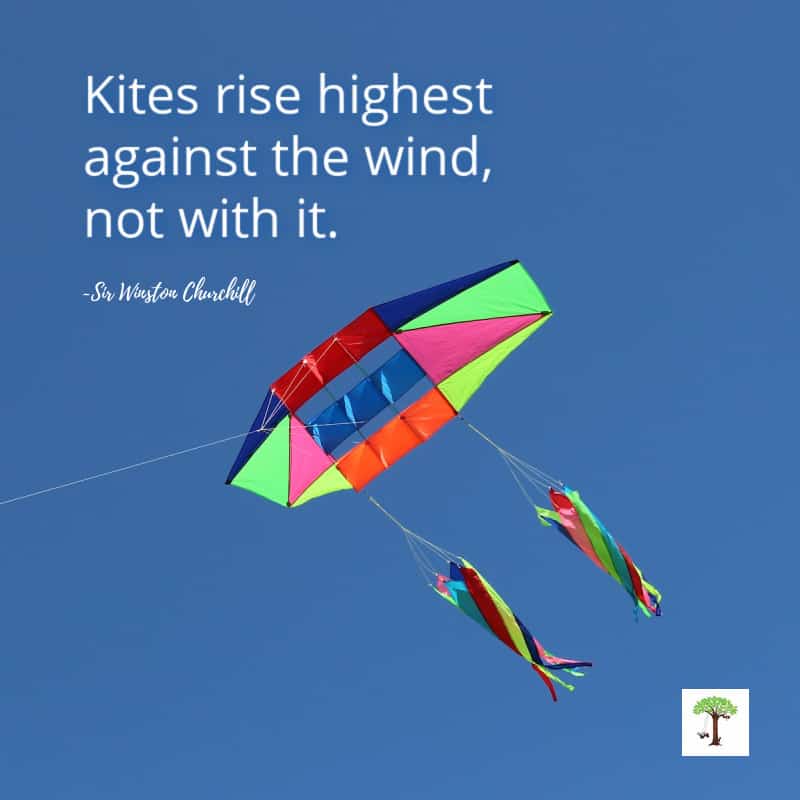
Flying kites on Good Friday is an Easter tradition popular in Bermuda, where it originated. This Easter tradition symbolizes hope and rising spirits. The custom began when a teacher reportedly used a kite to illustrate Christ’s ascension to heaven. This activity combines the symbolism of flight with Christ’s resurrection at Easter and his message of spiritual upliftment.
Over time, flying a kite on Good Friday evolved into a yearly island-wide tradition. Today, they have a Bermuda Kite Fest where Families gather on beaches and open fields to fly colorful, handcrafted kites. The homemade kites are often made with wooden frames, tissue paper, and long tails, celebrating the day’s religious significance and uniting communities in joyful observance of faith and heritage. Fly a kite on Good Friday to celebrate. For kite flying tips, please visit “How to Fly a Kite.“
11. Host or Attend a Spring or Easter Bonfire:
In some European countries, such as Germany and Sweden, Easter fires, sometimes called Paschal fires, are bonfires lit on Easter Eve, the night before Easter. Many view these Easter fires as a symbolic ritual to welcome spring and ward off evil spirits. So, build a bonfire to welcome the spring and the new life and growth it brings as nature awakens.
Some scholars believe this Easter tradition originated in pre-Christian times when people symbolically burned away the darkness of winter after Imbolc, the spring equinox, or Eostre. However, there is much debate about the origins of these Easter bonfires. Enjoy a community Easter bonfire the night before Easter, or host your own. Please follow city and county ordinances if you choose to do so, and if you light a campfire, be prepared to fight it. Learn how to build a campfire and keep everyone safe HERE–> How to make a campfire.
12. Leave a Carrot out for the Easter Bunny:
Another Family tradition and fun way to celebrate Easter that children enjoy is leaving a carrot out for the Easter bunny the night before Easter. Children often burst into fits of giggles when they wake up to a half-eaten carrot, big bunny paw prints made with a stencil and flour or cornstarch leading to and from the house, and Easter Baskets on the table.
So, be sure to remind your children to leave a carrot out the night before Easter so they can enjoy this simple Easter tradition. Alternatively, you can make bunny food with this fun new treat idea for the Easter Bunny. The kids can make it and leave it out instead of a carrot the night before Easter. You can find a recipe for magical homemade Easter bunny food HERE!

13. Make Easter Bunny Footprints to Surprise Young Children:
Here’s a fun Easter tradition that toddlers and preschoolers love. The Easter Bunny footprint tradition is a charming way to spark children’s imaginations and add to the magic of Easter morning. It involves creating bunny paw tracks to look like the Easter Bunny left them while delivering Easter baskets or while hiding eggs around the house or yard. To try this fun Easter tradition. First, invest in bunny footprint stencils. Then, wait until the kids go to bed the night before Easter.
Once the kids are safely asleep, sprinkle flour, baking powder, powdered sugar, or baby powder over the bunny paw stencils multiple times to make them look like bunny tracks entering and leaving the house through a door or window. Make the bunny footprint tracks through your backyard, out the front door, and down the block. Repeat the process, alternating the footprints slightly left and right, or place them parallel to one another to mimic a bunny’s hopping path. Space the footprints so they look like a rabbit might have made them, leading to where the Easter treats (or an Easter basket full of them) are hidden.
14. Surprise Children with Easter Baskets on Easter Morning:
Another family-favorite Easter tradition is giving and enjoying Easter baskets on Easter morning. Easter baskets and the toys and gifts commonly placed inside have become an Easter tradition enjoyed by many families worldwide. In our home, it’s traditional to include a solid milk chocolate bunny rabbit, chocolate eggs wrapped in foil, candy-coated eggs, or a peanut butter-filled chocolate egg in our Easter baskets from the local candy store down the street because my husband loves peanut butter candy.
In addition to chocolate bunnies and cream-filled eggs with various delicious fillings, gourmet jelly beans and marshmallow candies such as Peeps are a few more favorite traditional candies to put in a child’s Easter basket. I had a childhood friend who, in the weeks leading up to Easter morning, dreamed aloud about the marshmallow treats in her basket, and shared her dreams with me, anticipating their sure arrival. Other items perfect for an Easter basket are a book about Easter or spring, high-quality art materials, and natural Easter toys. Or, look at this list of Easter basket toys and gift ideas children are sure to love!
15. Go on an Easter Egg Hunt:
An Easter egg hunt is another popular Easter Tradition for children of all ages in many countries. Children search for hidden eggs, sometimes filled with candies or small toys. Other times, they search for hard-boiled or decorated wooden eggs.
When you ask kids what they love most about Easter, Easter egg hunts, Easter Baskets, and all the sweet treats they typically include consistently rank the highest in popularity. So, if you plan to celebrate Easter with kids, include an egg hunt. Learn how to host an Easter egg hunt with the simple instructions below. Alternatively, or in addition to a traditional egg hunt, you can host an Easter Scavenger Hunt for even more fun!
How to Have an Easter Egg Hunt:
Follow the step-by-step instructions below to host an Easter Egg Hunt:
- Choose a location to have an Easter Egg hunt from any of the following ideas:
- Front or backyard
- A block in your neighborhood (make sure you notify or get permission from neighbors)
- A local park
- Schoolyard or playground
- In nature (make sure it’s for public use before conducting an egg hunt)
2. Hide one or all of the following in the backyard, at a local park, or out in the wild:
3. Finally, invite children to go on an Easter egg hunt to find the hidden eggs.
- Invite children to collect the hidden eggs in the area where they are hidden.
- Feel free to give children clues, and help young children look for them.
- Have them use an empty Easter basket or another container to collect the eggs, gathering as many as they see or can find.
My daughter goes on egg hunts most of the year, and they never get old. Need a minute to get dinner done? Hide some decorated wooden eggs in the backyard to give yourself some time. My daughter LOVES this traditional Easter activity all spring and summer long! Looking for an exciting new Easter egg hunt idea to try beyond the traditional version above? Play Party Plan has several fun Easter egg hunt ideas you can try–> HERE.
16. Enjoy a Friendly Easter Egg Rolling Competition:
Easter egg rolling is when people roll decorated eggs down a hill. People around the world enjoy this friendly Easter game, including in the United States and the United Kingdom. Traditional egg rolling competitions most often take place on Easter Monday. Decorated, hard-boiled eggs are rolled down a hill to see which egg can go furthest without breaking. These fun community events usually include an egg-decorating contest and are a lot of fun for kids and adults of all ages. Plan to attend an Easter egg-rolling event near you.
Community churches often host Easter egg-rolling competitions, or you can plan your own and invite friends and relatives to join the fun. The White House Egg Roll is a race on the White House lawn on the Monday after Easter. The South Lawn of the White House has activities the whole family can enjoy, including storytime, games, live entertainment, and the traditional Easter Egg Roll! Join the lottery to get tickets HERE. Learn more about the history of this egg-citing event HERE–> White House Easter Egg Roll. Or, join hundreds of participants gathering for the annual egg-rolling competition at Devil’s Dyke as shown in the video below.
Related: Roll Down a Hill For Fun and Good Health
17. Challenge Someone to an egg-tapping competition:
Egg tapping, also known as egg fighting, egg jarping, or egg knocking, is a traditional Easter game that originated in Europe. Today, this Easter game is played in many other countries around the world. The game involves two players, each holding a hard-boiled egg and taking turns tapping the pointed ends together. The goal is to crack the opponent’s egg without breaking your own. The person whose egg remains uncracked is declared the winner and is often believed to have good luck for the year.
Rooted in Christian symbolism, egg tapping represents the resurrection of Jesus Christ. The cracked egg symbolizes the opening of the tomb and the emergence of new life. The game adds a playful, communal element to Easter celebrations, blending fun with faith.
18. Play Other Fun Easter Games:
Organizing various games, such as egg-and-spoon races, sack races, and pin-the-tail-on-the-bunny, especially for children’s entertainment, is fun on Easter. Often, churches and community centers offer several Easter games at Easter fairs and other events. Ask your local church, check your local listings for details, or organize a fun day of Easter games and events in your backyard or at a local park with friends and relatives.
19. Share traditional Easter Candies:
Easter is a time as rich in tradition as chocolate eggs themselves. As mentioned above, as with many holidays, several candies and sweet treats are traditional for Easter. Today, many candies and sweet treats seem synonymous with the holiday itself. Central to these confections is the Easter egg, symbolizing new life and resurrection. Egg candies are made in many shapes and sizes. Chocolate eggs are made of solid milk or dark chocolate and are sometimes candy-coated, intricately decorated, or filled with sweets such as peanut butter or creme.
Another iconic Easter treat is the chocolate bunny, which comes in hollow or solid forms, sometimes with intricate designs or decorations. Some artisan candy makers also offer gourmet Jelly beans in a delicious mix of flavors, with vibrant colors and flavors to please young and old alike. Another candy people love for Easter is marshmallow chicks and bunnies, such as those made by Peeps. These modern traditional Easter candies offer a soft, sugary treat that has charmed generations. These sweets add to Easter’s festivity and serve as a conduit for cultural and familial traditions, bridging generations with joy and celebration.
20. Wear New Easter Clothes:
Wearing new clothes on Easter is a European tradition that many Americans now follow. People often dress in their “Sunday Best” to attend church. On Easter, many wear new outfits to represent fresh starts and new beginnings. Wearing a new outfit on Easter Sunday remains one of the most popular family traditions across the US today.
21. Watch an Easter Parade:
Many towns and cities host Easter Parades and other community events to celebrate Easter Sunday or in the days leading up to it. Put on your favorite Easter hat and find a place to watch marching bands and colorful floats. Encourage the children to wave at community service workers, such as firefighters and local vendors, as they participate in the parade. For example, this is a common Easter activity in cities like New York City, where people often watch or participate in Easter parades. Check your local listings to see if an Easter parade is coming to a town near you.
22. Host or Attend a Traditional Easter Brunch or Dinner:
Enjoy a traditional Easter Dinner with your family as part of your spring celebrations. An Easter feast filled with traditional Easter menu dishes and homemade family favorites is a treat the whole family will enjoy making and eating together. Families gather for special meals featuring traditional Easter foods, such as roast lamb, ham, hot cross buns, seasonal fruits, and roasted spring vegetables. My family loves going to the local farmers’ market the week before Easter to gather fresh seasonal foods from local farmers to prepare and enjoy for Easter. Try any of these traditional Easter dinner recipe ideas:
- 20 Most Popular Easter Dinner Recipes | Food Network
- Top 25 Traditional Easter Dinner Ideas | The Spruce Eats
23. Enjoy an Easter Concert or Performance:
Attending concerts, plays, or performances with spring or Easter themes is another fun way to celebrate Easter in the springtime. Music, dance, and performing arts companies, as well as public schools in cities and towns, large and small, put on a variety of shows, plays, and performances for all ages to enjoy. Look at your local resource guide for an Easter concert or performance near you.
24. Dress Up as Easter Witches:
In Sweden and Finland, children dress up as Easter Witches. This traditional Easter custom combines ancient folklore with Christian traditions. It is primarily a secularized, cultural tradition rooted in old folklore and superstitions. Today, it functions as a “mini-Halloween.” Children dress up as påskkärringar (Easter Witches) on Maundy Thursday or Easter Eve in Scandinavian countries to exchange handmade cards or willow twigs in exchange for candy.
According to old folklore, they symbolize witches flying to Blåkulla (a mystical mountain) to meet the devil. Some kids wear colorful outfits or scarves with painted freckles on their cheeks and carry drawings or cards as they go door to door for treats. Other families dress up at home, make cards, and exchange small treats without leaving the house. In Finland, this tradition usually takes place on Palm Sunday in eastern Finland and Holy Saturday in western Finland.
8 Religious Christ-Based or Faith-Centered Easter Traditions:
Here are a few faith-based, Christ-centered, or religious Easter traditions with your family, relatives, or community.
1. Attend an Easter Procession:
In Spain, other parts of Europe, parts of Mexico, and Latin America, religious processions are held for Easter. They started centuries ago as public displays to tell the Easter story. These Easter processions typically take place during Holy Week, the week before Easter Sunday. Important days for these, especially in Spanish-speaking cultures, include Palm Sunday, Maundy Thursday, Good Friday, and Easter Sunday.
Easter processions are solemn, public religious marches that honor the Passion, Crucifixion, and Resurrection of Jesus Christ, especially in Catholic and Orthodox traditions. Elaborate processions typically take place in Spain, Latin America, and the Philippines, featuring hooded penitents (nazareos), statues on large floats (pasos), and music.
2. Maundy Thursday:
Maundy Thursday is a day when Christians and Catholics remember the Last Supper, when Jesus shared a final meal with his disciples before his death. This Christian Holy Day falls on the Thursday before Easter and commemorates the Last Supper, when Jesus instituted the Eucharist. It is also the night when he showed humility and care by washing his disciples’ feet. Maundy Thursday marks the start of the Paschal Triduum, the three days leading up to Easter, and highlights themes of humility, service, and Jesus’ new commandment to “love one another.”
It is primarily a religious service, often called a Mass or Holy Communion, that began in the early Christian church and has been observed for centuries as a key part of Holy Week, the days before Easter. Today, families can observe Maundy Thursday by sharing a simple meal, reading the story of the Last Supper, Lighting candles, praying, or participating in foot-washing. Share bread together, give each other foot massages, and discuss kindness and simple ways you can serve others.
3. The Stations of the Cross:
The Stations of the Cross (or Way of the Cross) is a devotion of 14 steps focusing on Jesus’s journey to the crucifixion. This Christian tradition helps people remember the events leading up to Jesus’ death on Good Friday. This practice involves walking through 14 scenes, starting with Jesus’s sentencing and ending with his burial. Many churches display these scenes using pictures, carvings, and statues with plaques along the walls.
During Lent, especially on Good Friday, people move from one station to the next, praying, reflecting, and quietly contemplating what Jesus experienced. The tradition dates back many centuries, when Christmas pilgrims traveled to Jerusalem to visit the sites where these events are believed to have happened.
Families can observe the Stations of the Cross in simple, meaningful ways that suit their family culture and children’s ages. Some join the Pope in Italy as he commemorates the Way of the Cross starting at the Colosseum on Good Friday. Others visit a local church during Holy Week and quietly walk from station to station alone or together, reading a short line or saying a brief prayer at each stop.
Some create a gentle version at home using printed pictures, drawings, or handmade symbols placed around the house or yard. Participants can pause at each station to discuss concepts such as forgiveness, kindness, and love, keeping the focus on what children can understand.
4. Attend an Easter Vigil:
An Easter vigil is a religious service held in many Christian denominations the evening before Easter Sunday. It marks the completion or end of Lent and the start of Easter celebrations. It traditionally includes several key elements: the lighting of the Paschal candle, the Exsultet (a hymn of rejoicing), a series of Old Testament readings, the celebration of baptism and/or confirmation for new members, and the Eucharist. The service moves from darkness to light, symbolizing Jesus Christ’s resurrection and victory over death.
5. Wake with “He Is Risen.”
In many households, this traditional Easter greeting is the first thing said on Easter morning. This greeting is also typically heard in churches. The head of the household or church speaks the words “He is Risen” or “Christ is Risen,” to which everyone else replies, “He is Risen, indeed!”
6. Make Resurrection Rolls:
Make and bake resurrection rolls as a fun way to share the story of Easter and Christ’s resurrection with your children. Learn how to make this traditional Easter treat at Yummy Healthy Easy.
7. Tell Children the Story of Easter with Resurrection Eggs:
Explain the Resurrection story interactively with Resurrection Eggs. Resurrection Eggs are perfect to use at home, in Sunday School, and more. Easter Story Eggs or Resurrection Eggs can help you share the Easter story with your children in a way they can easily understand. Either of these sets makes a wonderful Easter gift for families with young children.
8. Go to church or an outdoor location for Sunrise Service on Easter Sunday Morning:
Some communities hold outdoor Easter services at sunrise on Easter Sunday, symbolizing the dawn of new life brought by the resurrection. Join a local church offering an Easter Sunrise service outdoors, or join your community at a local church on Easter Sunday.
History and Origins of Common Easter Symbols and Traditions:
Have you ever wondered about the origins of the symbols commonly associated with Easter today? Or have you ever asked yourself: why is there an Easter Bunny and Eggs, what do eggs have to do with Easter, what does the Easter egg represent, how did the Easter Bunny come to be associated with Easter, or why do we have baskets on Easter? Read on; we have some information to share with you!
History of Easter Traditions and Symbols:
Many theologians believe that early Christian monks allowed pre-Christians to continue honoring the traditions and symbols that meant most to them. It is believed they might have done this to encourage more of them to convert to Christianity. Others think the church did this to prevent the masses from rebelling if they were not allowed to continue the spring traditions that were most important to them.
Either way, many rituals and customs associated with the Spring Equinox and spring celebrations from cultures around the world have become traditional elements in most Easter celebrations today. Easter traditions such as Easter baskets, colored or dyed eggs, and even the Easter Bunny have become a way to continue honoring the rituals and traditions the masses held dear and found most meaningful. Some of these were mentioned earlier in the text above, while others are discussed in the following sections.
Why is there an Easter Bunny and Eggs?
Many people today wonder what Easter has to do with the Easter Bunny. Others ask why or how eggs have become associated with Easter. In answer to these questions, some theologians believe the Easter egg symbolizes the resurrection of Jesus Christ. Others claim the egg represents the womb from which Christ is reborn.
Another popular theory is that eggs came to be associated with Easter because they are forbidden during Lent. In this view, boiling eggs became a great way to keep them from spoiling during Lent. So, decorating eggs and eating them for Easter would likely be part of celebrating the completion of the fast. Boiling eggs made it possible to keep them for Easter, so people didn’t have to eat rotten eggs!
Another reason eggs may have become associated with Easter is early Pagan spring equinox celebrations. The spring equinox (also called Ostara or the vernal equinox) has been celebrated as a time of renewal and rebirth long before Christ was born or reborn. So, many scholars believe the egg became associated with Easter because of these early pre-Christian spring equinox celebrations. In these early earth-based traditions, the egg symbolized fertility and rebirth and was related to the Goddess Eostre.
Who is Eostre?
In ancient times, people celebrated the Goddess Eostre and offered her eggs and other spring symbols at the spring equinox. The hare and eggs symbolized fertility, rebirth, and the Goddess herself, the Eostre hare. As Christianity grew in Western Europe, the Catholic church adopted many ancient Earth-based pagan customs that its congregants held dear. So this could be why Easter includes symbols such as the Easter bunny and eggs.
How did the Easter Bunny come to be associated with Easter?
The exact path by which the Easter Bunny came to be associated with Easter is unclear, but several factors contribute to this tradition. The Easter Bunny, or the Easter Rabbit or Hare, is a traditional Easter story that originated in Germany. According to this folk legend, the Easter Bunny would visit the homes of little boys and girls the evening before Easter. German immigrants brought the idea of an egg-laying hare to the United States in the 1700’s. This tale from German folklore could be why leaving a carrot out for the Easter Bunny is a common Easter tradition for many families today.
In ancient, early earth-based traditions, the rabbit, or hare, is associated with Eostre, the goddess of fertility and rebirth. Like the egg, the bunny symbolizes fertility and spring. In these early pagan traditions, the spring equinox and Eostre were celebrated to honor rebirth and new beginnings. Interestingly enough, ancient festivals were held in honor of Eostre on the same day that Easter still falls today. “The first Sunday after the first full moon after the spring equinox.” I know it’s a mouthful, but it’s still the date chosen as “Easter” to this very day.
Why do we have Baskets on Easter?
Easter baskets are said to originate in ancient Earth-based spring rituals and traditions. In ancient folklore, Eostre carried a basket of eggs as a symbol of fertility, and people would offer her baskets of young seedlings and eggs. Eggs and seedlings symbolize rebirth, and baskets filled with eggs symbolize new beginnings and fertility.
Because Easter is celebrated on the same day, the pre-Christians celebrated Eostre. Some scholars believe that early Christians across Europe continued many traditions associated with Eostre and the spring equinox, incorporating them into their Easter Traditions. This allowed the masses to continue celebrating their most cherished traditions.
Related: Easter Basket Ideas for Kids
Family Easter Traditions from Around the World:
Start a new, fun Easter tradition this year with your kids and family. Family Easter Traditions create memories that last a lifetime. The list above includes examples of Easter traditions and activities enjoyed around the world on Easter Sunday.
While each culture may have unique customs and celebrations to mark this important holiday, several common spring elements and themes are shared across traditions. For more information about Easter symbols and traditions, including how the Easter Bunny came to be associated with Easter, read this article by HISTORY.
Easter Celebration Ideas: Fun Things to do on Easter:
I hope you enjoyed this list of fun things to do on Easter. You might also enjoy this excellent list of Easter art project ideas. For more fun things to do on Easter and during the spring, check out this spring bucket list with several more seasonal activities you might enjoy.
Learn more about the author of this informative guide to modern and classic fun family Easter Traditions, Nell Regan Kartychok, and Rhythms of Play HERE!
More Holiday Celebration Ideas and Family Traditions
- Thanksgiving Traditions and Fun Things to Do on Thanksgiving
- Fun Family Christmas Traditions for a Magical Holiday
If You Like Easter Traditions, You Might Also Like
- Spring Vernal Equinox Celebration Ideas
- Homemade Gift Ideas Kids Can Make
- Flower Art Project Ideas
- Outdoor Activities for Kids