

This fun process art painting activity teaches children and adults how to create citrus fruit art prints on various surfaces, including art paper, white dish towels, art canvas, blank greeting cards, tiles, coasters, tablecloths, placemats, pillows, tote bags, wrapping paper, clothing, walls, and more!
Citrus printing is a simple process art project and a fun craft activity suitable for children and adults of all ages. Painting and making art prints with oranges, lemons, limes, or grapefruits is a fun way to practice stamping and printmaking, creating various forms of citrus art. Citrus arts and crafts also make gorgeous gifts that kids or adults can make! Stamp citrus prints onto paper, dish towels, and more to create multiple types of lemon, lime, or orange stamp artwork with the simple step-by-step art project instructions below.
First published on August 30, 2016, this citrus printmaking tutorial explains how to create art prints and other DIY projects using prints of lemons, limes, grapefruits, or oranges. Thestamp painting content is regularly updated and occasionally republished to enhance it and ensure its continued relevance. Scroll down for step-by-step instructions to create beautiful art with orange, grapefruit, lime, and lemon prints. You might also enjoy making dried orange slice ornaments and other citrus fruit decorations.
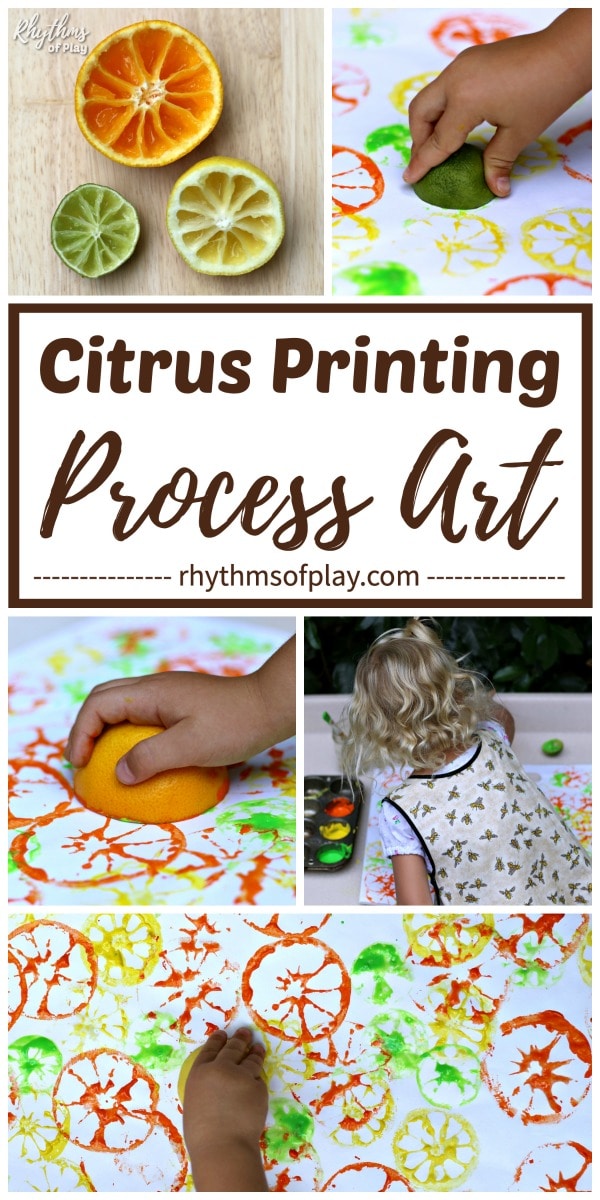
Stamping, Printmaking, and Painting with Citrus Fruits
Creating citrus art prints is an easy, enjoyable project for kids and adults to explore the intersection of nature and art. The process-oriented painting technique described below uses citrus fruits, such as oranges, lemons, limes, and grapefruits, as stamps to create vibrant and unique patterns in various forms of citrus artwork.
In this art activity, citrus refers to a genus of flowering plants in the Rutaceae family that produces a variety of juicy fruits ranging from sweet to tangy to sour. Common citrus fruits include oranges, lemons, limes, grapefruits, tangerines, and pomelos. They are grown worldwide in warm, sunny climates. In a broader sense, “citrus” can mean a type of fruit, a plant, a flavor, a scent, or a vivid color, depending on the context. This citrus-printing art activity uses citrus fruits as painting stamps or tools.
Painting with citrus fruits to create stamps or prints offers kids and adults of all ages a delightful way to engage their senses while making art, especially for those who appreciate incorporating natural elements into their artistic creations. Please explore this list of nature crafts and art activities for more ideas.
This fun art activity for kids or adults can foster creativity and encourage experimentation with printing citrus fruits in different colors and patterns, making it a perfect DIY project idea for artists and craft enthusiasts of all ages. The easy arts and crafts tutorial below will show you how to print citrus stamps onto paper, a white cotton towel, and other arts and crafts materials. (See the ideas in the craft supplies recommended in the step-by-step art project tutorial and the DIY project ideas at the bottom of this post.) Try citrus painting to create simple arts and crafts in educational settings with students in a classroom, as a creative activity the entire family can enjoy together, or to make handmade decor and homemade DIY gifts! You might also enjoy painting a rose.
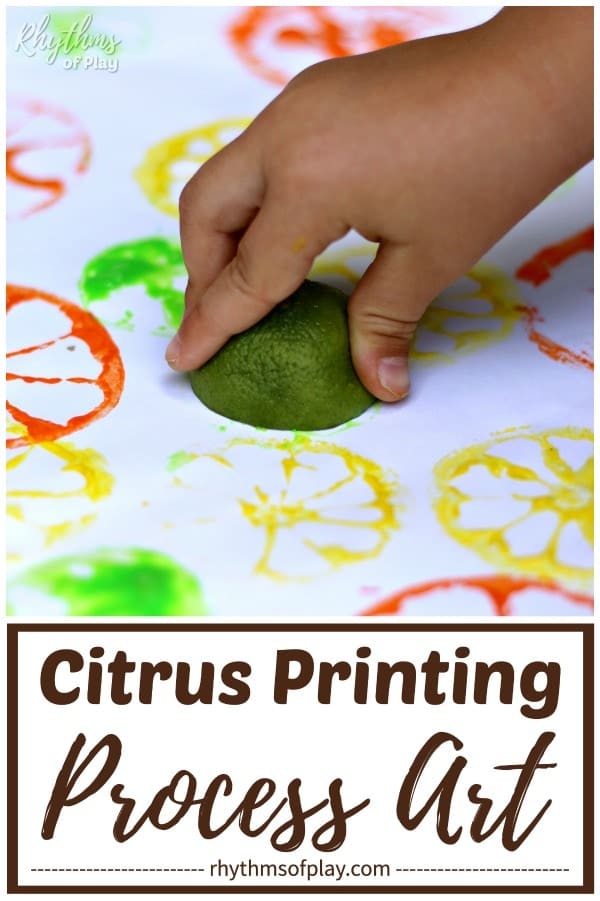
Stamp Painting with Citrus Fruits to Make Art, Crafts, and DIY Decor:
This process art activity begins by slicing citrus fruit to reveal the intricate segments and textures inside lemons, limes, oranges, and grapefruits. Choose one of three tried-and-true preparation methods included in the directions to make gorgeous citrus arts and crafts. Segmenting citrus fruits results in beautiful, organic patterns.
Natural variation in the sizes and shapes of different citrus fruits offers a wide range of artistic possibilities. Read the step-by-step instructions in the next section and choose your favorite technique to prepare each half of the citrus fruit for printmaking and painting. You might also enjoy making dried orange slice ornaments.
Once the citrus fruits are ready for painting, each artist can dip the citrus fruit in the paint or use a paintbrush to paint the orange, grapefruit, lime, or lemon, as shown in the photo tutorial below. In other words, add color to the fruit to make prints using your preferred method or technique: dipping or painting. Once the piece of fruit has paint evenly applied, press it onto paper, fabric, or canvas to create a beautiful print of citrus.
With that said, you don’t need to use bright, citrus-inspired colors, such as the vibrant hues of lemon yellow, tangerine orange, or lime green shown in the photographs, to paint with. Citrus prints can also be made with dark or muted tones. However, if you would like to use these colors but only have primary-colored paints (blue, red, and yellow), instructions for making orange and green are included below the art supply list. Scroll down for the step-by-step instructions that show you how to make art prints with citrus fruits of several varieties. You might also enjoy this list of Rainbow arts, crafts, and painting ideas.
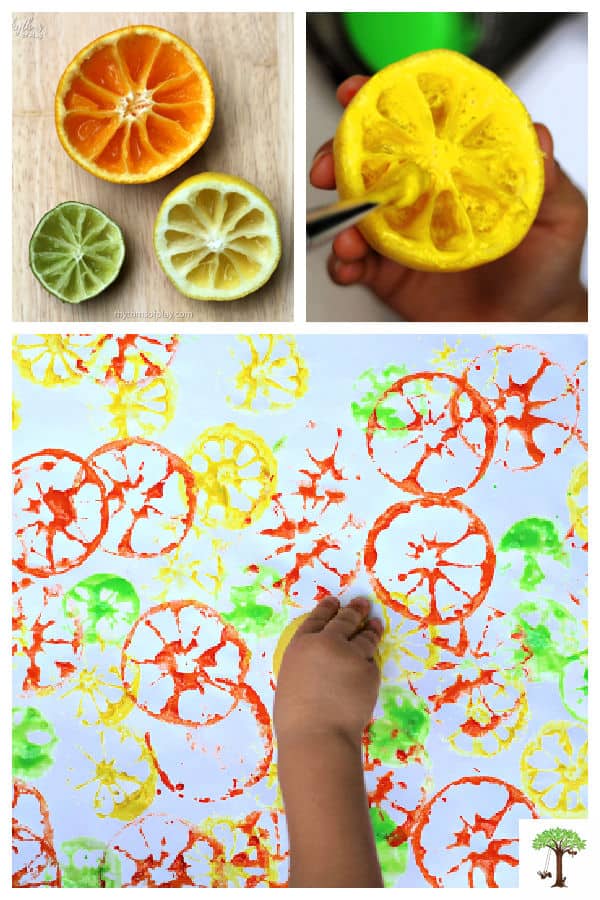
Citrus Printing Art Supplies:
Please read through the step-by-step instructions below before choosing the art supplies you will use to make citrus prints. Most people will have most of the art supplies needed for this printmaking art activity at home (or in the classroom). If not, you can get citrus painting supplies at most hobby and craft stores. We have also included Amazon affiliate links for the recommended citrus printing art supplies. (If you click to purchase, Rhythms of Play will earn a small commission at no cost to the consumer.)
- Citrus fruits (orange, lemon, lime, grapefruit, etc.)
- Alternatively, you can use a citrus rubber stamp and an ink pad to make citrus print crafts or create citrus prints in a journal.
- Grapefruit spoon or knife, butter knife, or paring knife (optional; see instructions)
- Tempera paint, fabric paint, acrylic paint, or concentrated watercolor paints
- Paper plates, a muffin tin, or another container to hold paint (recycled sour cream and cottage cheese containers work great!)
- Paintbrushes (optional; read the instructions for more information.)
- Art apron or smock
- Something to paint or make citrus stamps on. Choose at least one of the following recommended options:
- Large painting paper
- Art canvas
- Cardstock (hang it in an art storage picture frame).
- Blank white, multi-colored, or kraft brown greeting cards.
- Roll of white or kraft brown paper to make DIY wrapping paper.
- Blank round or square tiles to make coasters.
- White cotton dishtowel (or use a colored dishtowel with white paint or another contrasting or complementary color).
- Tote bags.
- Clothing or accessories (such as jeans or a large white scarf or shawl) that you want to decorate with citrus prints.
- Citrus print scarves, totes, coaster tiles, and dish towels make great DIY gift ideas.
- You can also use the other fabrics and craft supplies recommended in the DIY project ideas at the bottom of this post.
Please note: My daughter used a large sheet of painting paper and tempera paint to create the citrus prints in the photos.
How to Make Orange Paint:
If you don’t have orange paint and would like to use it for this citrus painting project, you can make it with a mix of red and yellow paint. When these two primary colors are blended, they create orange. Begin with equal parts of red and yellow paint, then adjust the ratio to achieve your desired shade of orange. You can also use the same tips to alter the shade of orange paint you have. Adding more red will yield a deeper, warmer orange, while adding more yellow will produce a lighter, brighter, citrus-orange hue. For a softer, muted orange, you can add a small amount of white to lighten it, or a dash of blue or black to tone it down.
How to Make Green Paint:
To create green paint for citrus prints, mix equal parts of blue and yellow paint, then adjust the ratio to achieve your desired shade of green. Adding more blue will create a deeper shade of green, while adding more yellow will create a lighter, brighter shade of lime green. Likewise, if you have a deep shade of green, you can add a touch of yellow to it to create a more vibrant, citrus-green hue. To make a softer, muted shade of green, add a touch of white to lighten it or a dash of black to tone it down.
Mixing Paints for this Citrus Painting Project:
Whether you’re using tempera, acrylic, fabric paint, or watercolors, it’s advisable to mix the paints slowly on a palette, paper plate, or a recycled container, testing the color along the way to ensure you reach the perfect shade of orange or green for your project. A fantastic way to teach children about color mixing is using the wet-on-wet watercolor painting method.
Related: Best Art Supplies for Children and Why Young Artists Should Use Them
How to Make Citrus Fruit Stamps and Prepare Citrus Fruit for Printmaking and Painting:
To prepare one or more citrus fruits for citrus prints or stamps in various arts and crafts, first choose a firm citrus fruit, such as an orange, lemon, lime, or grapefruit. The fruit should be ripe but not overly soft or mushy. Otherwise, it will not be able to maintain its shape well enough to make prints.
Once you have chosen a piece of fruit, you can use a few different methods to prepare citrus fruits to make stamps for citrus art prints. The step-by-step citrus printing instructions below outline various techniques for achieving this. Based on the recommendations below, decide how to prepare the citrus fruit (or fruits) before painting or making prints.
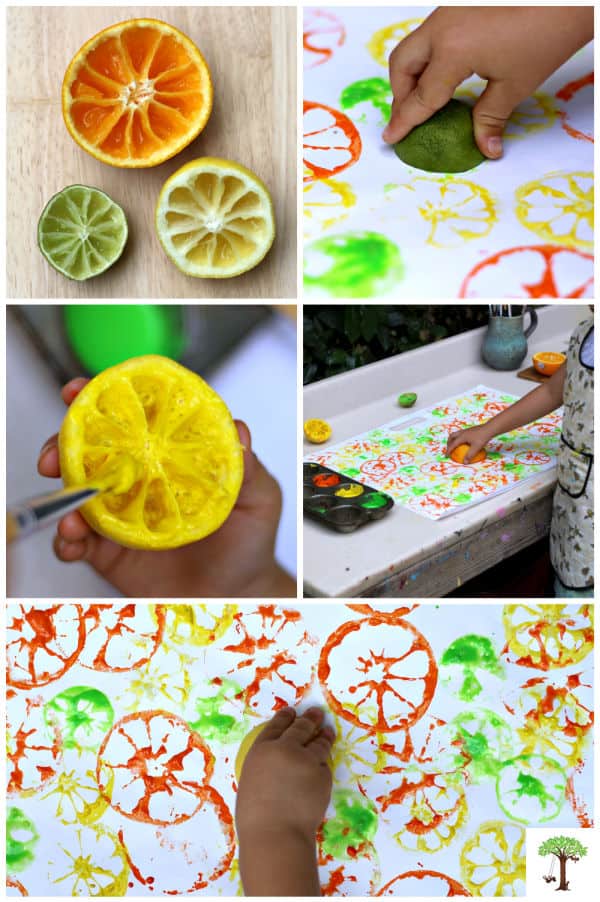
Prepare Citrus Fruit to Use as Stamps for Printmaking Art:
Follow these steps to create a well-prepared citrus fruit, ready to make beautiful, unique prints for stamping or painting. Start by mindfully cutting the citrus fruit in half from top to bottom using a sharp knife. Aim for a clean, straight cut to ensure a flat printing surface. Once the citrus fruit is cut in half, use one of the options below to prepare oranges, lemons, grapefruits, and limes for stamping and painting. You might also enjoy this list of Flower Art projects for kids and adults.
Citrus Stamping Option 1: Leave the Citrus Fruit As-Is:
- The first option is to slice an orange, grapefruit, lemon, or lime cleanly in half and leave it as is (without removing the juice).
- Then, use one of the cut halves of a citrus fruit to paint and stamp the paper.
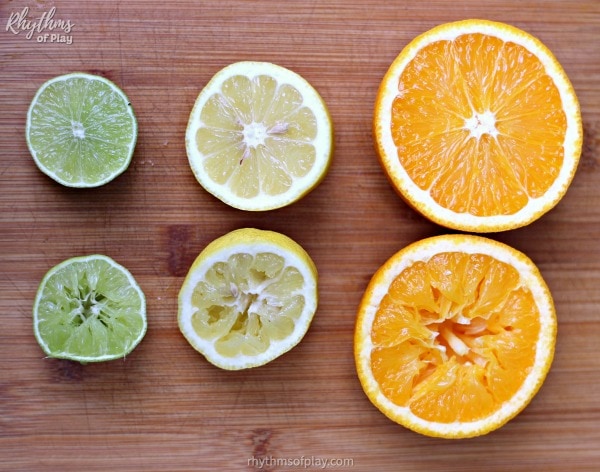
- The lime, lemon, and orange in the top row of the photo below are left as they are to use this printmaking technique.
- This is the messiest citrus painting option because the fruit juice mixes with the paint, making the art prints nice and sloppy. This is ideal if you’re looking to create a messy citrus art effect.
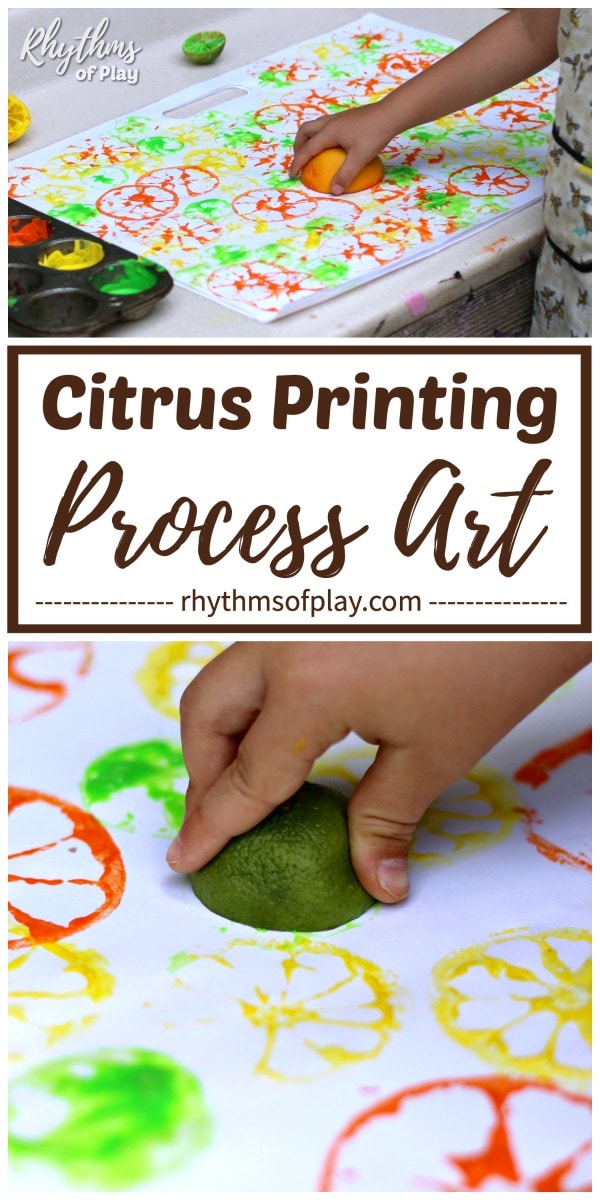
- When painted, stamped, and printed onto paper, the citrus fruit paint stamps will first appear in giant blobs.
- As the juice runs dry, more of the citrus details will show in the orange, lime, and lemon prints.
- This citrus painting option is ideal for use as a sensory process art activity with young children, such as toddlers and preschoolers. Think of it like fingerpainting with citrus fruits.
Related: Rainbow Art Projects
Citrus Printmaking Option 2: Gently Squeeze Citrus Fruit to Remove Excess Juice:
- The second option is to squeeze the juice from each half of an orange, lemon, or lime before using it to make art prints.
- The lime, lemon, and orange in the bottom row of the photo above are prepared using this citrus printing method.
- To try this citrus printing technique, gently squeeze each cleanly cut half over a bowl to remove excess juice. Be careful not to deform the fruit as you do this.
- This citrus printing technique is less messy than the first option and allows citrus fruit details to appear in the citrus prints.
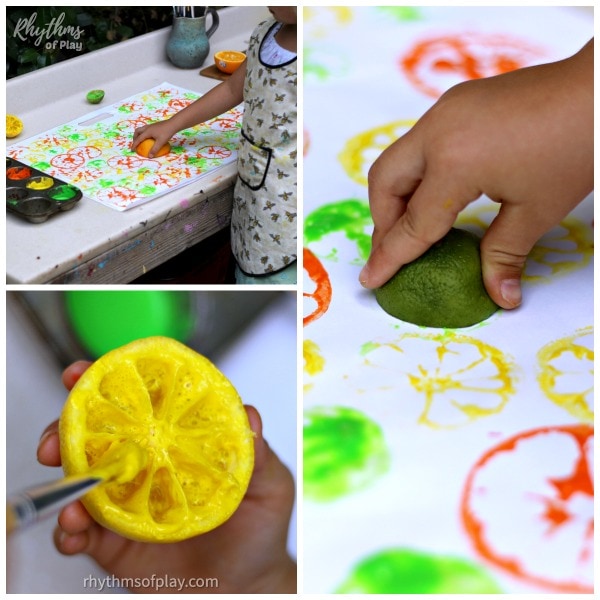
- The photo below shows what orange, lemon, and lime citrus prints look like after you stamp them onto paper prepared with this technique.
- My daughter created the citrus art shown in the photograph below with the following colors: orange for the orange prints, bright yellow for the lemon prints, and neon green for the lime prints.
Related: Squeezing an Orange Montessori Practical Life Activity

Citrus Prints Option 3: Cut the Citrus Sections Out and Remove the Juice Sac:
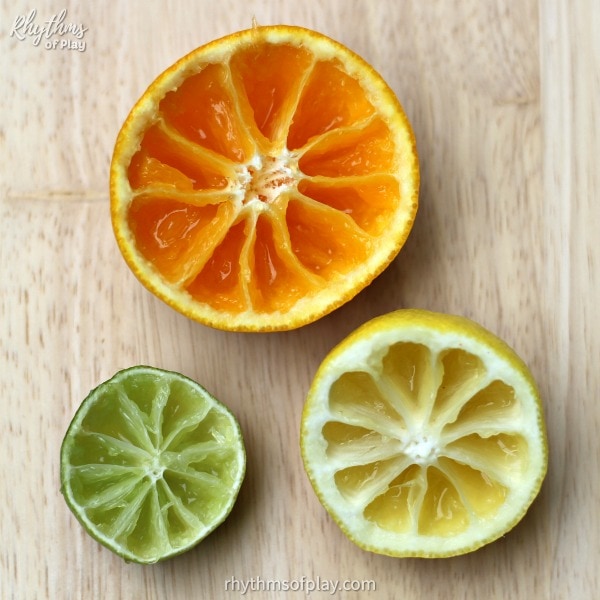
- The third option is to cut the juice sac out of each segment of the citrus fruit using a grapefruit spoon or knife, a butter knife, or a paring knife, as shown in the photo below.
- This method for preparing citrus paintings preserves the pattern of the citrus membranes for printing.
- Step-by-step instructions for removing the juice sacs from citrus fruits using this citrus printing technique are provided below.
- This method is recommended if you make citrus prints on fabric (such as white cotton dish towels or clothing) with fabric paint, or for other DIY projects with acrylic paint.
- My daughter and I made our favorite citrus stamps or prints with this option, but it does take more time and effort to prepare the citrus fruits for painting. (Most of the citrus stamps shown in the photographs are made using this technique.)
- Removing the juice sacs from each half of an orange, lemon, or lime can take 5 to 20 minutes, depending on the skill level of the person removing the segments.
- If you have an older child (or are working with older children in the classroom), invite them to try this precise food preparation skill as an advanced handwork activity.
- Please ensure students are taught to use tools safely and are supervised while working.
How to Remove Segments from Citrus Fruit:
- Carefully scoop out the fruit segments from each half with a small spoon, a dull knife, or a paring knife. A grapefruit spoon or knife works well for this task, and allows young children to cut or carve out the juice sacs without a knife.
- Work slowly to avoid tearing the inner walls of the peel and pith.
- The goal is to leave the inner white part of the peel (the pith) intact, as shown in the photograph above. (The orange, lemon, and lime each have the juice segments removed.) Doing so will provide a better surface for applying paint and making citrus prints.
- Once the segments are removed, pat the inside of the peel dry with a paper towel to remove as much moisture as possible. This will prevent the paint from diluting. It also makes it easier to use acrylic and fabric paint to create orange, lime, or lemon stamps and prints on dish towels, clothing, wood, and other surfaces for DIY projects.
Related: Cutting a Banana Montessori Practical Life Activity
How to Use Citrus Fruits as Stamps for Printmaking:
There are two primary ways to put paint onto a half piece of citrus fruit to use as a stamp to make art prints and various DIY citrus print projects. Both paint-loading methods are described below. First, choose your preferred method for creating citrus prints.
Then, scroll down for the complete step-by-step directions for citrus printing. Followed by several DIY citrus print projects you can try. You might also enjoy stamping hearts to create thumbprint heart magnets or explore these other fun gift and craft ideas.
How to Put Paint on a Citrus Fruit Stamp:
There are two primary ways to apply paint to citrus fruits. Either dip them into the paint color of choice or paint them with your preferred color, as described below:
- Put paint on a paper plate. Next, dip the fruit into the paint to apply paint to the cut edge of the citrus fruit in the same way you would press a rubber stamp into ink.
- Alternatively, pour paint onto a paper plate, into a muffin tray, or into another recycled container. Then, use a paintbrush to apply it to the citrus fruits before making prints or painting with them.
No matter which method you choose for a citrus stamp painting, it is best to stamp the citrus fruits several times before reapplying paint. The prints of grapefruits, oranges, lemons, and limes become more apparent, especially after they are stamped a few times, as my daughter demonstrates in the photographs below. I left the fruit as is and let her use it any way she wished. However, this was not the first time she painted with citrus fruits.
The first time she painted, she created a beautiful, citrus-scented mess, but I wouldn’t call what she did “citrus prints.” What she did was much more process-oriented, and her citrus artwork looked more like a finger painting by the time she was finished. However, it allowed her to experience creating art and helped her learn to use the materials more effectively, enabling her to create a beautiful citrus stamp painting in the future, as she demonstrates in the photos below. My daughter chose to paint the citrus fruits before stamping them because she enjoys painting. You can see her painting a lemon with bright yellow paint to make citrus art prints in the photo collage tutorial below.
Related: Fingerprint Art Magnets
Step-By-Step Citrus Printmaking Art Instructions: How to Make Citrus Print Fruit Stamps:
Follow the step-by-step instructions below to make citrus print art and other DIY projects, such as dish towels or citrus prints on clothes. If you are working with children and this is the first time your children have tried art printing or stamping. It’s best to demonstrate how to make art prints from citrus fruit so children understand the process.
Young children learn best by modeling (observing, watching, and imitating others). In other words, demonstrate how to stamp citrus fruits to create art prints while explaining how to use citrus fruits to paint and make stamps before inviting them to try it. For more process art ideas for kids, visit wet-on-wet watercolor painting and kraft paper sensory process art.
1. Make citrus Fruit Stamps for Citrus Printing or Painting:
- Gather the recommended citrus print art supplies listed above.
- Prepare citrus fruits using one of the three methods above.
- As a reminder, leave the fruit as-is, gently squeeze the juice out, or remove each juice sac or segment.
- The first or second option is recommended for young children creating citrus-stamped process art.
- The third method is recommended for most other crafts and DIY projects where the final product matters.
- If the fruit halves are not flat, trim a small portion off the bottom to create a stable base. This will ensure even pressure when stamping.
- Put paint, a paper plate (or another container to hold paint), and paintbrushes (optional) on the art table, along with at least one of the following items to paint, stamp, and make citrus prints on: Painting paper
- Cardstock
- Art canvas
- Dish towels
- Clothing
- Or any other craft supplies recommended in the DIY project ideas at the bottom of this post.
2. Load Paint onto the Citrus Fruit Stamp:
- Once the citrus fruit is prepared, invite artists to apply paint using the painting or stamping method they prefer:
- Hold the citrus fruit half like a rubber stamp, then dip the cut edge of the fruit in the paint color of your choice, or use a brush to evenly coat the fruit’s pith.
- When stamp painting, ensure the paint is not too thick, as this can fill in the natural textures and reduce the clarity of the citrus fruit print.
- Tempera paint is recommended for most art projects because it is water-based and can better withstand the addition of juice.
- Concentrated watercolor paint is another option. Allow the juice from the citrus fruit to mix with it, rather than water.
- Acrylic paint is recommended for creating citrus prints on project-oriented DIY projects, such as cotton canvas, blank coasters, and other home decor items.
- Non-toxic fabric paint is recommended for most clothing or linen printing projects, but acrylic paint can also be used.
3. Start with a Test Print:
- Before stamping the citrus fruit on the final material, do a test print on scrap paper to ensure it is properly coated and the print looks as expected.
- Citrus art prints often look their best after a few stamps every time paint is reapplied.
- Consider testing the citrus fruit stamp each time you add more paint, especially if you plan to stamp it on clothing, dish towels, or create other citrus-printed DIY home decor where the final product’s appearance is essential.
4. Stamp citrus prints on paper, cardstock, canvas, Wood, a white cotton dishcloth, clothing, or use one of the other craft supplies in the DIY printmaking project ideas below:
- Remember, the beauty of this technique lies in its natural variations and imperfections, so don’t worry if each print doesn’t look the same. Do your best and have fun!
- If you are working with younger children, such as toddlers and preschoolers, it’s best to start with tempera paints and a large piece of art paper to emphasize the process over the product. There is no right or wrong way to do this. Stamp the citrus fruit into the tempera paint and use the materials however works to make it a process-oriented experience.
- Once children have practiced citrus stamp painting a few times, or are a bit older and more experienced, you can consider stamping citrus fruits to create prints for crafts and DIY projects.
- For example, artists with more experience, as well as older children, teens, and adults, can create citrus prints for simple DIY projects, such as citrus-stamped dish towels, coasters, or clothing, as listed in the next section.
Related: 15 Ways to Raise a Helper
Citrus Stamp Painting with Toddlers and Preschoolers
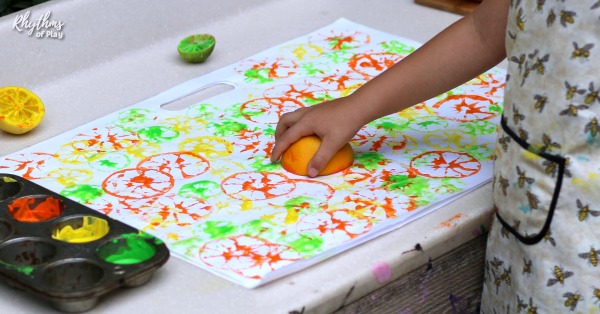
Printmaking with citrus this way is messy and fun for younger children. Encourage toddlers, preschoolers, and other young children to use them as stamps or painting tools, however they wish. In other words, don’t pressure this age group to make prints; instead, let them paint with the citrus fruits however they wish.
My daughter used her citrus fruits, cut in half without the juice or segments removed, like a giant paintbrush, the first time she tried painting with them. She pushed the paint mixed with juice all over her paper to create wild and crazy citrus art. It was enjoyable to watch.
Benefits of Stamp Painting for Kids
Stamp art offers numerous benefits for children of all ages. This creative activity enhances cognitive skills such as planning and sequencing and promotes self-expression. Stamp painting also helps kids develop fine motor skills, hand-eye coordination, spatial awareness, and creativity as they explore different colors, shapes, and textures.
Art activities for kids, like citrus printing and other printmaking or stamping projects, also encourage sensory exploration and support sensory integration and self-expression. You might also enjoy making fingerprint art magnets with fingerprint ink pads or acrylic paint!
Encourage children to try stamp painting with citrus fruits for a simple classroom or homeschool art lesson suitable for toddlers, preschoolers, kindergarteners, and kids of all ages. Alternatively, try any of the other DIY citrus stamping project ideas below. There are creative ways to stamp citrus fruits to create art. Happy citrus printing!
Printmaking with Citrus Fruit: Easy DIY Printmaking Project Ideas for Older Children, Teens, and Adults:
Citrus printing process art is an easy art project and painting idea suitable for children and adults of all ages. Invite kids to create citrus art prints on an art canvas or a white cotton towel for a great homemade gift idea. Or, try any of the other citrus printmaking ideas below.
Decorating different DIY projects with citrus prints is a fun and creative way to make unique art and decorative items for your home, office, or classroom. Please use non-toxic, washable paints if the items will be used by children or in contact with food. Experimenting with different colors and fruit sizes enables the creation of diverse and creative citrus art designs. Here are several fun citrus printmaking ideas you can try:
1. Citrus Print Wall Art:
- Use citrus fruits like oranges, lemons, grapefruits, and limes to create vibrant wall art for your home, bathroom, bedroom, or kitchen:
- Cut the fruits in half, dip them in paint, and stamp them onto a canvas, wallpaper, heavy paper, or directly on the painted walls (or ceiling) of your kitchen, office, living room, den, bedroom, bathroom, playroom, baby nursery, etc.
- Create patterns with citrus prints in complementary or contrasting colors, or use prints of orange, grapefruit, lime, and lemon to create vibrant abstract designs.
2. Handmade Citrus Print Linen Products:
- Add a fresh touch to kitchen towels, napkins, paper or cotton placemats, white tablecloths, pillow covers, and more by stamping them with a colorful array of citrus prints:
- Choose nontoxic, fabric-friendly paints (such as this fabric paint).
- Press the cut side of the fruit onto the fabric to create prints.
- Ironing over the print after it dries helps the fabric paint set. Going over the stamped painting with an iron can also help set acrylic paint.
- A bright white dish towel is one of my favorite items to decorate with citrus stamps.
- Dish towels and other linens decorated with orange, lime, or lemon prints make lovely DIY home decor. They are also excellent handmade gift ideas. Please visit this list of homemade gifts kids can make for more DIY ideas.
3. Citrus Print Coasters:
- Stamp citrus prints onto round or square tiles, wood blanks, wood chip slices, paper coasters, and more to create unique DIY coasters that make lovely homemade gifts.
- Use any of the coaster blanks for crafts recommended on the list of options below:
- Round white blank ceramic tiles for crafts with cork backing.
- Square white blank ceramic tiles for crafts with cork backing.
- Round and square blank white ceramic tiles for crafts with cork backing.
- Unfinished round wooden coasters.
- Seal coasters stamped with citrus prints and a waterproof sealant for a practical and stylish addition to your coffee table.
- Use a foam brush to apply the sealer directly over the citrus prints and the entire coaster.
- Citrus-stamped coasters also make a great gift idea!
4. Personalized Stationery or Greeting Cards:
- Use citrus prints to create beautiful stationery on white or colored blank greeting cards.
- Citrus-printed cards make lovely homemade thank-you cards to send to friends and relatives.
- They are also perfect homemade card ideas for Mother’s Day, Father’s Day, Christmas (or another winter holiday), New Year’s, Easter, and more!
- Colorful citrus prints look great on blank white cards, and white stamps look fabulous on Kraft brown and multi-colored cards.
- Combine different fruits and cards and print colors to create several unique, personalized looks.
5. Citrus Print Tote Bags:
- Give a plain, undecorated tote bag a fresh update with a smattering of citrus prints:
- Use fabric paints to stamp the fruit prints directly onto the tote bags.
- This can make for a great personalized gift or a stylish accessory for yourself.
- Make one to take to the park, pool, beach, or the farmers’ market!
- Citrus-printed tote bags also make excellent collecting bags for nature study supplies and treasures found outdoors.
6. Fruit Print Wrapping Paper:
- Make DIY wrapping paper by stamping a large sheet of kraft brown or glossy white wrapping paper with citrus prints.
- Kraft brown paper pairs best with white citrus prints, while white paper complements colorful, contrasting, or complementary prints, as shown in the photographs accompanying this post.
- Homemade wrapping paper with citrus prints adds a sweet personal touch to year-round gift-giving. Make some today!
7. Citrus-Themed Nursery Decor:
- Use citrus prints to create playful, colorful nursery or kids’ room decor: Stamp onto walls, cotton canvases, cushions, pillow covers, and more!
- You can even make a citrus mobile with orange slice ornaments or the citrus print ornaments below!
8. Citrus Print Ornaments and Gift Tags:
- Make citrus prints on unfinished round wooden blanks to make ornaments for your Easter or Christmas tree.
- Stamp citrus prints on white round paper DIY gift tags for year-round gift-giving.
9. Decorate Clothes with Citrus Prints:
- Make your clothes and accessories stand out with citrus prints.
- Decorate clothing or accessories, such as a white shirt, skirt, scarf, or shawl, with vibrantly colored citrus prints.
- Alternatively, you can make white citrus prints on colored clothing.
- Put fabric paint on a piece of citrus fruit and press the cut side of the fruit onto the fabric to create prints.
- Ironing over the print after it dries can help set the fabric paint. (It can also help set acrylic paint when painted on fabric when not using fabric paint.)
Citrus Printing Art Tutorial and Project Ideas for Kids and Adults
Creating art prints with citrus fruit is a fun printmaking technique that helps children and adults learn to use paints and other art materials, explore their creativity, and practice stamping.
What do Citrus Fruits Symbolize?
Citrus fruits convey various symbolic meanings across different cultures and contexts. Typically, they symbolize abundance, vitality, and renewal. They also function as powerful symbols of wealth, luxury, fertility, and joy. Across cultures, citrus fruits have been associated with prosperity and good fortune, particularly in Chinese traditions, where they are commonly exchanged during the Lunar New Year to bring luck and wealth. In ancient Rome, citrus fruits such as citrons and lemons were highly prized and regarded as status symbols reserved for the wealthy.
In spiritual and ritual contexts, citrus fruits are used for purification because they are believed to ward off negativity and restore balance. Their fragrant scent and vibrant appearance evoke energy, health, and freshness, often symbolizing new beginnings or emotional cleansing. The bright colors and tangy taste of these fruits also render them symbols of temptation, carrying meanings of love, fertility, and even sensuality, which makes citrus a profound symbol of both physical and emotional nourishment.
Citrus Stamp Painting:
Encourage children to create art prints with citrus fruits for a simple classroom or homeschool art lesson suitable for toddlers, preschoolers, kindergarteners, and kids of all ages.
Alternatively, try any of the other DIY citrus stamping project ideas listed above. There are several items you can make or decorate with citrus stamps. Happy citrus printing!
You might also enjoy learning how to make dried orange slice ornaments or making natural cleaning products with citrus fruits and other natural ingredients.
Learn more about Nell Regan Kartychok, author, photographer, and creator of this original citrus-printing art activity HERE, and Rhythms of Play HERE!
More Painting Ideas for Kids:
- Wet-on-Wet Watercolor Painting
- DIY Four-Season Hand and Fingerprint Tree
- Painting with Foam Blocks
- Winter Art Project and Painting Ideas
- Art & Science: Watercolor Resist Experiment





Do you think I can cut the membranes out of the lemons the night before? Hoping they won’t dry up if I put them in a ziploc bag in the fridge
Hi Stephanie, good question. I haven’t tried it before, so I’m not sure, but I think the lemons will still make great citrus stamps to create art from the prints if you put them in a bag and put them in the fridge after cutting the membranes out. I really doubt they will dry up and become un-useful. So I recommend giving it a try. Happy citrus stamping and printing!
I tried these with the toddlers and a couple of older children (maybe aged 3 or 4) and they absolutely loved the mess they made but there were some really great outline particularly from an orange and a lemon. I am going to use them again on Monday. It is when our Playgroup meet. Thank you there are some great ideas but am limited by the age group.
Hi Gayle, I’m so glad you were brave enough to try this art activity with three and four year olds. Well done!
As you experienced, that age group enjoys citrus printing more as a process art activity, which is great for them. Process art activities help young children become comfortable with art materials in a playful way. Generally, they are not ready to make more product oriented art. Nor should they be forced to if you want them to enjoy art in the future.
Older kids, teens and adults however can make citrus prints as a more product oriented activity, and are better able to make gifts with citrus prints on them.
For younger children, such as the age group you are working with, I like to think of citrus printing like finger painting with citrus fruits. Let them get messy and have fun exploring how to make art, just like you did. Rather than striving for a polished or finished piece, help them focus on the act of creation itself.
Thanks for sharing your experience, keep offering fun ways to explore art to the children in your playgroup!
Nell