
Share sustainable, eco-friendly habits to improve the health and well-being of planet Earth and each of its many varied creatures, including YOU. Get started by making one small change at a time with this list of green living tips for kids and adults!
Here’s a list of green living tips for children and adults. Caring for our environment and planet Earth is a valuable lesson for everyone. As world citizens, it’s our responsibility to help reduce climate change and improve the Earth’s future for all. In a world where the urgency of climate change grows more palpable each day, we must help our children (and ourselves) embrace eco-conscious habits by taking tangible steps toward reducing our carbon footprint. Use the helpful tips in this article to make a Pledge to the Earth.
Every choice we make, from the products we consume to the energy we use, can help address or mitigate the environmental challenges we face. Fortunately, simple yet impactful green living activities, such as those listed below, make it easier to align our daily lives with key sustainability principles that pave the way to a healthier planet. Join me on a journey to explore practical strategies and actions you can take to reduce carbon emissions and embrace a more sustainable lifestyle with the green living ideas below. Please visit these Earth Day activities and crafts for more green-living tips and eco-friendly activity ideas.
Treat the Earth well. It was not given to you by your parents, it was loaned to you by your children. We do not inherit the Earth from our Ancestors, we borrow it from our Children.
-American Indian Proverb
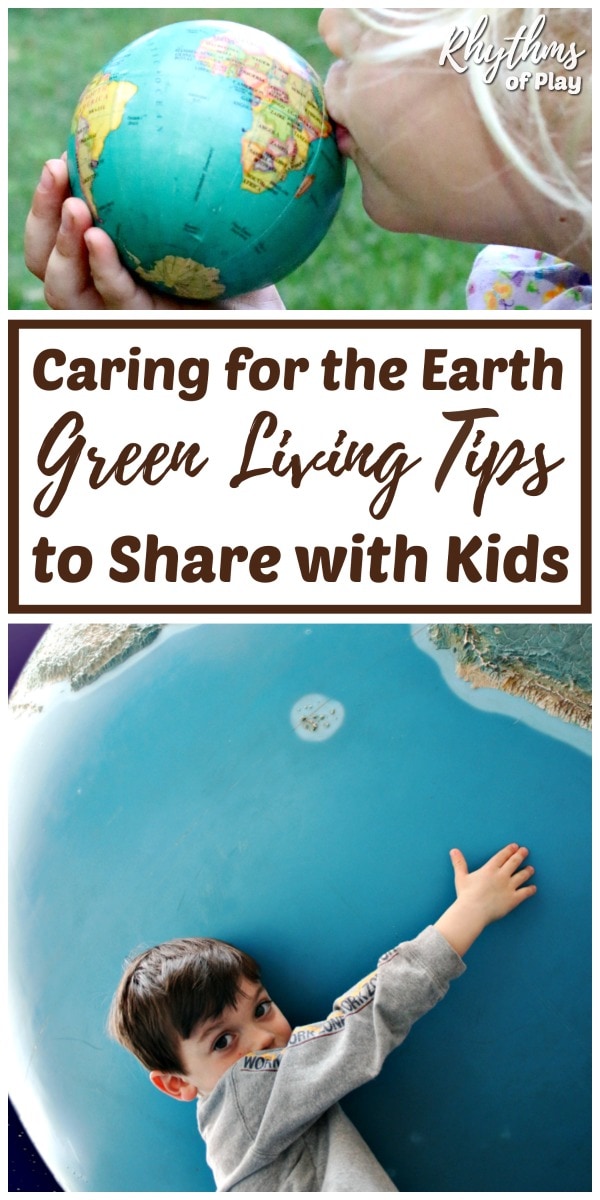
Eco-Friendly Green Living Tips That Help Reduce Climate Change:
This guide stresses the importance of sharing these eco-friendly concepts with children. However, the green living tips and ideals to strive for are not just for kids. This is not child’s play; it’s becoming a matter of life and death worldwide, especially for our most endangered species and environments such as coral reefs and rainforests. Children and adults of all ages can use each concept below to help create a more sustainable future for generations to come.
Below is a list of several easy ways to reduce your carbon footprint and live more sustainably. The eco-friendly, green-living ideas and positive parenting tips below can help everyone in your family and Mother Earth’s children live in a greener world now and in the future. Best of all, this list of eco-friendly ideas is regularly updated to keep the content current with updated examples of simple things you can do to effect real change.
2026 Updates to this Informative Guide to Caring for the Earth:
First published in April 2015 as “Caring for the Earth: 12 Ways to Help Kids Get It,” this green-living guide was originally designed to help adults understand simple ways to support their children and students in becoming more eco-conscious. However, the concepts and ideas discussed are designed as a guide for all ages. A condensed version of it was later included in a book I co-authored in 2016 titled “Green, Crafty, and Creative,” which is no longer in print, so this post was republished on April 19, 2024, and the title was changed to reflect the updates.
As of this 2026 update, it now contains 35 eco-friendly conservation tips. I broke down the original broad concepts into individual topics. Rearanged a few things to help everything make sense. Then added updated information and a few more pertinent details, making it even more informative and helpful than before. You might also enjoy this list of Earth Day activities and crafts. I’m will continue to update it, so it remains a valuable resource to help effect real change.
35 Eco-Conscious Green Living Tips to Reduce Your Carbon Footprint:
Committing to the well-being of our planet and the natural world is an essential value to share with our children and students. These green living tips and ideas can help kids learn to live a low-impact, sustainable life so they can do their part to reduce climate change. Use these Earth Day Printables any day of the year to commit to small changes that make a BIG impact at home with your children, families, and friends, or in the classroom with students.
The printable Earth Day Activity Pack and The Dream Life Tool Kit in the Rhythms of Play Learning Center make it easy to commit to small changes that add up to a big difference over time. For example, pick “one small change” you can make from this list of eco-friendly ideas. Next, commit to following through with an Earth Day Pledge (any day of the year, not just on Earth Day) to make the change a habit in your home.
You might also want to grab one of these gorgeous climate change coloring pages from Adventure in a Box for you and your kids (or students). The ideas in this post inspired my friend Liska to create a beautiful coloring page with twelve ideas to help kids reduce climate change.
You will notice that her list of conservation tips is slightly different than my list below. However, they align perfectly with the green living ideals discussed in this post. I think she did a fantastic job! Thanks, Liska — you’re amazing! Thank you for joining me in “being the change you wish to see” for our children’s future. Get your climate change coloring poster at the link above.
1. Change Starts with You; Be a Model Citizen:
The most important way to help others, especially children, care for the Earth is to model these actions yourself. People tend to do what they see others around them doing. This is especially true for young children. Toddlers and preschoolers are like little sponges that soak up how we relate to our world and mirror it back to us. Show the world around you a reflection to admire and emulate. As Mahatma Gandhi alluded to in his inspirational teachings, “Be the change you wish to see in the world.”
Although Gandhi didn’t use the exact phrase above, the quote accurately reflects his teachings and the principles of personal responsibility they include. Gandhi’s original sentiment was: “If we could change ourselves, the tendencies in the world would also change. As a man changes his own nature, so does the world’s attitude towards him… We need not wait to see what others do.”
In 1970, Arleen Lorrance was the first to adapt his teachings into the familiar sentiment so often misquoted today: “Be the change you wish to see in the world,” in her book “The Love Project.” Originally coined to improve interpersonal relationships and interactions with people we encounter, especially those different from us. The updated phrase coined by Arleen Lorrance is equally appropriate in this context. Change starts from within, no matter the topic or the reflection that you see in the mirror. “Be the change. All change starts with you.” ~NRK
Demonstrate the Change You Wish To See in the World:
Parents who make eco-conscious choices are more likely to raise eco-conscious children. Fortunately, there are simple ways you can help children care about the environment and reduce their impact on it. Do your best to make simple changes in your home, such as those remaining on this list, to help reduce climate change. Children will learn to make more sustainable choices if they see the adults around them making better choices for the future of Planet Earth. Good habits start at home.
There are a few simple concepts you can teach and actions you can demonstrate to children to inform and inspire them to make small changes for everyone’s benefit. Please visit these Earth Day activities and crafts to learn more. Ideas include a list of Earth Day books that can both educate and entertain tomorrow’s youth, which you can enjoy any day of the year.
Another educational aid is reading children’s books that teach important life lessons. Several of the books on the list teach kids easy ways to help care for the Earth, as well as other important life skills. Children’s books like these can help share eco-conscious concepts and other essential lessons with children of all ages.
2. Tread Lightly; Minimize Your Impact on the Environment in Any Way Possible:
Tread lightly on the Earth. Reduce your environmental impact in every way possible, and please, for the sake of our beautiful blue and green planet, do not litter. Let’s each do our part to keep Mother Earth and the natural world beautiful for everyone to enjoy for many generations to come.
Take only pictures, leave only footprints, kill nothing but time.
Common Mountaineering Etiquette Phrase
The phrase above is commonly associated with the “Leave No Trace” philosophy for mountaineering and hiking, which emphasizes environmental protection, minimalism, and respect for nature. This creed helps preserve ecosystems, keeps trails pristine, and respects fellow hikers and the wilderness they wander.
The effect of humanity’s destructive interaction with the Earth is visible at the national, corporate, and individual levels. To reduce climate change, we must each do our part to minimize our impact on the natural world and the environment. This makes any day an excellent time to “Make a pledge to the Earth” and the health of our environment.

3. Please Don’t Litter, Pick It Up When You See It Instead!
It may be tempting to drop a wrapper or leave something behind, especially when you don’t have any place to put it, but litter doesn’t just disappear once it leaves our hands. It washes into storm drains, streams, and rivers, often reaching the ocean during periods of heavy rainfall or runoff. As a former ocean lifeguard with 20 years’ experience, I can tell you that most of it ends up on our beaches and in our oceans, and it’s anything but pretty. Even worse, along the way, it can harm wildlife that may ingest it or become entangled in it.
Worst of all, plastic breaks down into tiny pieces called microplastics, which pollute soil and water and can even enter the food we eat and our bodies — ugh! This means that there are likely some microplastics inside of you! Litter also spoils the beauty of parks, trails, and neighborhoods, turning peaceful places into trash-strewn garbage bins. Instead, please pack snacks in reusable containers, bring a portable water bottle instead of single-use plastics, and hold on to any remaining trash until you can dispose of it properly.
If you see litter, pick up a few pieces and place them in the trash, or take them with you if there isn’t a bin. Even better, “pack your trash.” Carry a small bag for your waste when you’re out, and use it to pick up any trash you see before you go. Thank you for your service. We all need more people like you. Simple habits like these help protect nature, keep animals and other wildlife safe, and keep the natural places we love clean for everyone to enjoy for years to come!
4. Choose (or Make) Eco-Friendly Products with Sustainable Natural Materials:
Everything we do impacts the environment we live in. Purchasing more sustainable, eco-friendly products (or making DIY eco-friendly ones) is a simple green-living tip anyone can follow. Simple actions like these are essential for the health and well-being of planet Earth and all of Mother Nature’s children.
Buying higher-quality materials less often reduces waste and pollution. Look for high-quality items built to last, made from natural, sustainable, or recycled materials. For example, choose natural or eco-friendly clothes, gifts, furniture, children’s toys, home decor, and everything else you purchase or DIY for your home, garden, business, or workplace whenever possible. A few fantastic suggestions to get you started with making eco-friendly products and purchasing decisions whenever possible are provided below:
How to Choose Eco-friendly Products Made with Sustainable Materials:
- Make or Buy Sustainably Made and Sourced Furniture, Home Decor, and Energy-Efficient Appliances: Use rugs, drapes, couches, and chairs made with natural fibers and reclaimed wood. Purchase or make solid wood furniture made to last that you can sell, give away, or transform into something new when you’re done with it. As opposed to synthetics and chemical-laden MDF (Medium-density fiberboard), particleboard, or engineered wood, which don’t last.
- Make or Buy Sustainably Made and Sourced Kitchen Supplies: Use less plastic, opt for glass, silicone, or metal containers, bowls, and cooking utensils, and look for non-anodized pots and pans, such as cast iron, whenever possible. Alternatively, find used utensils at the Salvation Army or your local Thrift store. Recycling plastics is better than purchasing them new.
- Transform natural materials into open-ended toys and craft supplies for nature crafts.
- Choose Eco-Friendly Baby Toys That Boost Development Naturally.
- Make or purchase Eco-Friendly Educational Toys for Toddlers.
- Learn more about Natural Preschool Toys and How They Benefit Development.
- Discover the Best Natural Open-Ended Toys for pretend or imaginative play.
- Choose Clothes Made with Sustainable Materials and Practices: See tips below.
- Buy or Make Eco-Friendly Cleaning Products: Scroll down for recipes!
5. Wear Clothes Made with Natural Fabrics and Humane Practices:
Choosing to purchase or make clothes from natural or more sustainable fabrics produced with eco-friendly, more humane practices is a simple way to help care for both the Earth and our bodies. Fabrics such as organic cotton, linen (from flax), hemp, bamboo (when processed responsibly), and wool come from plants or animals rather than fossil fuels, so they don’t shed plastic microfibers into our water as polyester and nylon do.
Instead, choose clothing made from natural materials like cotton, linen, hemp, bamboo, and wool. When these materials are grown without harmful pesticides and dyed with safer, low-impact dyes, they protect soil, water, wildlife, and the people who make and wear them. These fabrics are often breathable and gentler on the skin, making them a better choice for everyday wear than nylon or polyester, which feel like you’re wearing plastic wrap and smell terrible within minutes. They are also better materials for bedding, other household linens, and drapes.
For example, organic cotton uses less water and skips toxic sprays, hemp grows quickly with little need for chemicals, and linen comes from a hardy plant that thrives with minimal inputs. If you choose wool, which I highly recommend for all-season use due to its all-season breathability, temperature-regulation abilities, natural odor protection, and reduced need for washing. Look for non-mulesed wool, meaning the sheep were not subjected to a painful process used to deter pests. Practices like these support better animal care. Over time, choosing better materials helps reduce pollution, support cleaner farming, and create a more sustainable future for everyone.
Avoid Clothing and Shoe Fads:
It’s also a good idea to buy fewer clothes and shoes overall and resist fads. Clothing and shoe fads contribute to massive amounts of waste, especially when the fabrics used to make them are made from synthetics that release harmful microplastics into the environment. When you can, skip fast fashion. Instead, opt for a more minimalist wardrobe filled with natural fabrics that stand the test of time, like those mentioned in the previous section. A few clothing brands I recommend with more sustainable clothes for men, women, and children are included in Gifts for Mom That Will Put You in the Good Book.
6. Make Natural DIY Cleaning Products:
Cleaning products can contain toxic chemicals that harm the environment. These toxins are even more dangerous for children, especially crawling babies and toddlers, because they touch and taste everything! Learn how to make cleaning products and incorporate them into your household routines to avoid leaching these harmful toxins into your home.
When children grow up seeing the adults around them make DIY cleaning products, they are likely to continue to do so as adults. Promoting helpful actions like these creates a better future for everyone. Here are several excellent recipes for natural cleaning solutions you can use at home or in the workplace. Each homemade natural cleaning product recipe includes recommended supplies and step-by-step instructions:
- How to Make Natural Cleaning Products
- Glass and Window Cleaner
- Wood Cleaner and Polish
- Cleaning Kit for Kids
7. Plant A Garden:
Gardening is an essential home-life skill to share with children. Learning how to grow food and knowing where it comes from are becoming lost arts. If it is not possible to grow a garden where you live, consider container gardening.
A few pots or containers filled with high-quality organic potting soil and vegetable starts purchased at your local nursery make it easy to grow a few of the things you eat regularly. Alternatively, you can start a small herb garden to season your food. Another great idea is to rent a plot in a community garden along with a few others in your community to help nurture and maintain it.
8. Grow and Eat Organic Food:
Conventionally grown crops deposit many chemicals and toxins into our environment. Growing organic food in your backyard is an easy way for everyone to help reduce toxins, fossil fuels, and packaging waste in the environment, especially when permaculture gardening practices are used.
Use Permaculture Practices Instead of Toxic Chemicals to Help Your Garden Thrive!
Permaculture is a gardening approach that works with nature’s tendencies rather than against them. The word blends “permaculture” and “agriculture,” and focuses on creating healthy, self-sustaining systems that endure for years. A permaculture garden creates a symbiotic relationship in which the plants, soil, water, insects, and animals each support one another to grow and thrive.
Plants grow together in ways that help each other not just survive, but thrive. This is called companion planting. For example, plant herbs such as basil, peppermint, or chives near vegetables to deter pests. Grow flowers such as marigolds and lavender to attract bees and butterflies to pollinate crops and help them thrive. Plant taller plants near smaller ones that don’t like as much direct sunlight to provide shade, and deep-rooting plants like sunflowers loosen the soil for their neighbors.
Animals are part of this symbiotic system as well. Chickens scratch the soil, eat bugs, and leave behind natural fertilizer, while bees and other pollinators help plants produce fruit and seeds. Everything works together like a team going for the primary goal. The creation of a healthy, balanced garden and a greener world that takes care of itself over time and keeps the bodies who nurture it healthy.
How to Create a Permaculture Garden:
To create a permaculture garden, compost kitchen scraps to mix with soil, plant a mix of crops and companion plants, collect rainwater (if allowed in your area), and choose native plants that birds and pollinators enjoy and thrive in the local climate. These practices build rich living soil, conserve water, and reduce the need for chemicals. Start an organic permaculture garden today with these tips: Permaculture Basics for Master Gardeners.
Over time, a permaculture garden becomes more balanced and easier to maintain, while also helping protect pollinators, reduce waste, and support a healthier planet. Learn how to plant organic tomatoes with the beginning gardening tutorial my mother and I created in her organic permaculture garden. Her many gardens were always soooo beautiful, but now they are someone else’s to enjoy, because her soul has moved on.
Employ Regenerative Farming Practices:
Like permaculture, regenerative farming is a way of growing food that works with nature rather than against it on a much grander scale. Farmers use simple practices such as crop rotation, planting cover crops, composting, and allowing animals to graze in healthy patterns. These methods help build rich soil, retain moisture, and bring back beneficial insects and wildlife.
Conventional farming contributes more waste and toxic byproducts to the water table than these more earth-friendly growing practices. Regenerative farming practices, such as rotating crops and the fields they are grown in, help keep the soil in which our food grows healthier and help everything on the planet thrive.
Over time, the land becomes stronger and more alive, not worn out. This kind of farming also helps remove carbon from the air and store it in the soil, benefiting the climate. In short, regenerative farming helps the Earth heal while still producing the food we need.
Planting an organic permaculture garden and practicing regenerative organic farming helps reduce the need for chemicals, conserve water, and support a healthier planet. Employ these practices in your gardens and farms to create a greener planet today.
9. Make Your Yard or Garden Wildlife Friendly:
Turn your yard into a wildlife-friendly space to benefit the birds, bees, butterflies, and our precious green earth. This gardening activity is a lot easier than it sounds. Even a small garden, patio, or balcony with a few pots of pollinator-friendly plants can make a positive impact on the surrounding environment. When we create safe spaces for wildlife, we help restore balance and reduce the need for chemicals, especially when permaculture gardening practices are employed.
Help care for the Earth by supporting biodiversity, the wide variety of life that keeps ecosystems healthy. Pollinators help plants produce food, trees clean the air, and birds help control pests naturally. For example, my family has not one but several hummingbird feeders hanging around our home because hummingbirds love to eat mosquitoes. When sitting on the patio, we see them sipping and eating our least favored pests, and everyone wins. You might also enjoy these birdwatching activities.
Become an assistant to the evolution and well-being of all living things by fostering collaboration, interdependence, and shared existence with the species of plants and animals that live right outside your door by making your yard or garden more wildlife-friendly. Build a stronger, healthier, greener, more symbiotic world with the wildlife-friendly tips and ideas below:
How to Create a Wildlife-Friendly Yard or Garden:
- Start by planting a few native flowers, shrubs, and trees. Native plants are adapted to your local climate, so they need less water and maintenance. They also provide the right food that local wildlife need to survive and thrive. When wildlife thrives, we thrive. All of planet Earth’s creatures live in relationship with one another and with the multiverse itself. Life does not exist within a vacuum. Nurture this relationship in your own backyard. Choose a variety that blooms from early spring through fall so pollinators always have access to nectar and pollen.
- Add a simple water source, such as a shallow birdbath or a dish with stones for bees and butterflies to land on.
- Provide food for birds. Set out bird feeders, trays, socks, and houses to feed and shelter local and migrating birds, and provide homemade hummingbird nectar in feeders. Learn how in this Birdwatching guide.
- Avoid pesticides and herbicides whenever possible, as these toxic substances can contaminate water and soil, and harm the very creatures you’re trying to help. Instead, allow nature to balance itself by employing permaculture practices. Here’s an informative guide to help.
- Leave a few “wild” areas in your yard. Allow fallen tree leaves to sit, or add small piles of sticks or leaves to offer shelter for insects and other small animals. Let some plants go to seed so birds can snack on them. If you have space, add a nesting box or let trees and shrubs grow enough for birds to rest and raise their young.
10. Eat More Plant-Based Foods and Meals:
Eating more plant-based meals with whole, organic foods is a simple way to improve your health, your family’s health, and the environment’s health. Whole foods such as fresh fruits, vegetables, beans, lentils, whole grains, nuts, and seeds are packed with fiber, vitamins, and minerals your body needs to grow, repair, and feel its best. My daughter and I enjoy making Green Smoothies with lots of healthy fruits and vegetables to keep our plant-based food intake high.
You don’t have to give up meat completely. Just try a few plant-based dishes and meals each week. Because these foods are less processed, they contain fewer added sugars, artificial flavors, or preservatives. Choosing organic can also mean fewer pesticide residues in our bodies, soil, and waterways, a preference many families share. Meals made with these foods can support healthy digestion, steady energy, and a strong heart, all while tasting fresh. Growing plants also uses much fewer resources than raising animals, creates less pollution, and helps conserve massive amounts of water. Read the following section to learn more.
11. Eat Less Meat:
Eating less meat is better for the health of the earth and your body. Raising animals for food places heavy demands on our natural resources. It takes a lot of land, water, and feed to raise animals, especially cattle. It also emits greenhouse gases, such as methane, that warm the planet and contribute to climate change. Forests are sometimes cleared to make space for grazing or to grow animal feed, leaving fewer trees to clean the air and support wildlife.
Even small changes can make a difference. Try a few meat-free meals each week, or swap beens, lentils, nuts, or veggies for part of a meal. These foods often require fewer resources to grow and still provide your body with the protein it needs. Eating this way can help protect forests, save water, and reduce pollution, while adding more variety to your plate!
12. Purchase Local and Organic Seasonal Foods:
Do your best to buy whole, natural foods and local, organic, seasonal produce. Shop at farmers’ markets or choose foods grown close to home. Farmer’s markets and natural foods stores often carry whole foods and animal products grown or raised near you in most towns and cities. Seek out local sources and shop at these locations whenever possible. Simple actions like these reduce packaging waste, the energy used to ship food over long distances, support local growers, and offer your family a wide array of locally produced plant-based foods.
Our bodies also prefer and thrive on foods native to our environment over those from other areas and biomes. While fruit, vegetables, and other foods traveling from far away harm our planet’s health. Then there’s the packaging that many of these foods come in. Each of these adds up to more waste and pollution. Think about it. No matter where you choose to shop, choose whole foods and avoid processed foods as much as possible, organic or not. Processed food is bad for your body, while the packaging and the distance it travels to reach you harm our environment and the natural world. Vote with your dollars and common sense.
13. Support Local Business, Companies, Shops, Stores That Sell Used Items, and Mom and Pop Restaurants:
Whenever you need something, consider purchasing used clothing, furniture, books, and other household items first. For example, shop at local thrift stores, garage sales, Craigslist, or eBay, and from brands that resell gently used items, such as (not affiliated) Toad & Co. (Toad Again) or Cotopaxi Pre-Loved.
Do your best to purchase new items locally and choose items made by local artisans, businesses, and companies. In other words, choose to support local mom-and-pop shops over corporations that couldn’t care less about your family, town, or the environment.
When you need to buy something from a company, please vote with your dollars and sense. In other words, purchase from brands doing their best to reduce their impact and make changes that benefit the environment whenever possible. Scroll down to learn more.

14. Vote with Your Dollars and Common Sense:
Vote with your dollars and common sense by supporting politicians, shops, companies, organizations, and charities doing their best to do the right thing. I’m a big fan of companies and corporations (from the biggest to the smallest) that do everything in their power, even when it means earning a little less, to reduce climate change and keep this beautiful Earth a green place to live.
You can also vote with your dollars by purchasing local items made in your city, state, or country. Do your part to keep your local economy flourishing by spending money all over town more than online. Or choose to shop directly from brands doing their best to slow climate change in whatever way they can. Discussing these ideas with your children when they are ready to handle such concepts is an eco-conscious parent’s primary duty.
Research brands and companies doing their best to reduce climate change on the World Wide Web, or grab the Better World Shopping Guide. Turn your shopping list into a powerful tool for positive change with this handy guide. It gives you all the necessary details to make a more informed choice. Every dollar makes a difference. If you are curious, I have listed a few of my favorite brands in this guide to Gifts for Mom (the clothing companies mentioned all offer men’s and women’s apparel, and some also have children’s clothes).
15. Get Outside and Connect:
Spending time in nature benefits our mental and physical health. It also provides children with the opportunity to fall in love with the Earth and all of Mother Nature’s varied creatures. When people love nature, they protect it. It isn’t easy to care about something you haven’t experienced firsthand.
As humans, it’s our duty to preserve this beautiful and precious planet. If we want our children to care for the Earth and become the stewards of the future that we so desperately need today. It’s best to get outside to experience nature daily. Go for walks, hike, watch birds, climb, or sit under a tree.
Nurture Your Connection with the Natural World:
Our connection to nature matters more than most people realize. Getting outside helps us align with everything around us. We come to realize that nature isn’t something outside ourselves; it’s a part of who we are. As John Muir said, “When you tug on a single thing in nature, you find it attached to everything else.” Help children build this essential connection with plenty of outdoor playtime.
Sending the kids outside every chance you get is one of the best and easiest ways you can help preserve this precious planet. Here at Rhythms of Play, we challenge you to Get Outside & Connect daily to help your children become tomorrow’s environmental stewards. The link above shares a quick list of fun outside activities. For a more extensive list of outdoor activity ideas, look at this list of outdoor learning ideas and nature activities for kids.
16. Drive Less and Choose Smarter Travel:
When possible, walk, bike, carpool, or choose public transportation. Combine errands into a single trip. For example, drop your kids off at school, go for a workout or take the dog for a walk, then stop by the grocery store, dry cleaning, and the mailbox on your way home. Driving less reduces air pollution and greenhouse gas emissions.
Make lifestyle changes and create daily habits that reduce the need to drive. For example, walk or ride a bike when you can, homeschool your children, or work remotely. Even one fewer trip a week makes a difference over time. When it comes to traveling, fly only when you need to, and avoid cruise ships altogether.
Cruises may seem like a dream come true in the form of a floating resort. But they can be extremely damaging to the Earth and its beautiful, life-filled oceans. Most cruise liners run on heavy fuel oil, which emits large amounts of greenhouse gases that worsen climate change and produces air pollution that can harm people and wildlife. Unfortunately, that’s not the only danger associated with these popular vacation options. Read on to learn several reasons my family chooses not to travel on cruise ships:
A Few Excellent Reasons to Avoid Traveling on Cruise Ships:
A single large cruise ship can produce as much pollution as millions of cars in a single day. And some ships can produce as many toxic sulfur oxides (SOx) as millions of cars! For example, one operator’s fleet was determined to emit 10 times as much sulfur oxide in Europe as all 260 million European cars combined. That’s reason enough for me to avoid them right there, but it gets worse. Much worse, gross tons… if you’ll pardon my pun.
Ships also generate large amounts of waste, including sewage and greywater, which often enter the water. When not properly treated, which it often isn’t, this toxic waste can harm marine life and coral reefs, which are among the most endangered environments on the planet.
Basically, cruises are floating cesspools of destruction, leaving a trail of toxic waste in their wake that endangers sensitive habitats and marine life. In busy ports, ships can damage coastlines, stir up sediment, and disrupt fragile ecosystems. Engine noise can also affect dolphins, whales, and other sea animals that rely on sound to communicate.
Cruises place excessive stress on oceans, wildlife, coastal communities, our precious planet, and all the life it supports, including yours. Everything is connected. Every choice we make helps lead to the real change we need now, not tomorrow. Unfortunately, most people are unaware of these negative impacts, and each harmful factor compounds the damage. Fortunately, there is something you can do.
“Vote with your dollars and common sense.” Avoid cruises by choosing an all-inclusive resort instead. Although these types of resorts also produce waste, they are typically nowhere near as devastating to the environment. Choose one that employs eco-friendly practices. Even better, immerse yourself in the local environment by renting a private home with family and friends. Happy travels!
17. Green Your To-Go and Carry Reusables:
Committing to making life on the go (including driving less and choosing smarter travel), more sustainable in all areas, is an excellent way for everyone to help reduce climate change. For example, bring your own portable reusable water bottle, shopping bags, and a coffee cup. Say no to single-use plastics. Small daily swaps like these keep trash out of landfills and oceans. Look at the list below for fun ways to go green everywhere you travel:
- Green Your Ride: Make your commute, whether to work, school, or the grocery store, “green” by riding your bike, walking, carpooling, or using public transportation whenever possible. Depending on your situation, this isn’t always possible, but many people (including most of my family) make this choice daily.
- BYO-Bag: Bring your own reusable bags into every store you visit, not just the grocery store. My favorite eco-friendly bags originated in Chico, CA, where my family currently lives. I keep several Chico Bags in my car and always carry one in my purse.
- Bring Green To-Go: Bring reusable to-go products to help the environment! Use portable reusable bottles and containers of all kinds for hot and cold food and drinks. Today, single- and double-walled insulated stainless steel portable bottles are available in a variety of sizes and colors, perfect for on-the-go use, with several lid options.
- Minimize or Eliminate Single-Use Plastics with the tips below.
18. Give Up Single-Use Plastics:
Minimize the use of single-use plastics and do your best to give them up entirely. Their environmental impact and the damage they cause are too great to ignore. Plastics are incredibly harmful to the environment.
One simple action you can take to reduce climate change is to say no to single-use plastics when offered. “No, thank you” is one of my favorite phrases. Join me in happily refusing plastic bags, bottles, straws, and silverware (cutlery) with a simple “No, thank you” and a smile.
Here are some of my family’s favorite reusable to-go products that will help you minimize single-use plastics, green your to-go, and help reduce climate change:
- Carry portable stainless steel telescopic straws and keep a pack of multi-size, multi-width straw sets for home use. (Everyone in my house has their own favorite type of stainless steel straw, which has the benefit of identifying whose drink is left around the house. “That’s not my straw” is my husband’s favorite thing to say to inspire our daughter to put her glass in the dishwasher.)
- Reusable water bottles, portable insulated travel mugs, and other containers for hot and cold drinks and food.
- Insulated lunch bags and other reusable food containers for on-the-go meals, including bento boxes.
- Beeswax food and sandwich wraps, and other eco-friendly to-go containers.
- Reusable snack bags and stay-fresh silicone food storage bags
19. Conserve Water:
Make it a habit to save water every day. There are several simple ways you can help conserve water. For example, turn off the tap while brushing your teeth. Take shorter showers. Only run a full wash load of clothes or dishes. Fix leaks promptly. Inform neighbors if their sprinkler turns into a crazy, overspraying waterfall, so they know they need to fix it. Wash your clothes and hair less often; they don’t need it. Trust me, your hair will look and feel much healthier if you allow several days between washes. I only wash mine once or twice a week.
Not only can each of these water conservation tips help our precious planet during droughts, but they can also help us save money and conserve energy. Because water requires energy to move and treat, eliminating overuse saves energy. A few other ways you can reduce water consumption are included below.
20. Practice The Basic Rules of Conservation:
Reduce is the first of the three original “R’s” or rules of conservation rules for reducing or eliminating climate change: Reduce, Reuse, Recycle. Today, these rules have been updated and expanded to include additional conservation rules to help reduce and eliminate overconsumption.
I appreciate the updates, as they more accurately reflect the wide and diverse range of eco-friendly ideas discussed in this informative article about caring for the Earth. You will notice that each of these updated ideas is discussed in this helpful guide to more eco-friendly practices, first published in 2015. The updated ” Six R’s of Conservation” are summarized as follows (with a few more for good measure to make a total of eight R’s of conservation):
Updated and Expanded Eight R’s of Conservation:
You will notice that these conservation principles are discussed throughout the remainder of this guide and the entire article.
The updated and expanded 8 R’s of conservation are:
- Rethink
- Refuse
- Reduce
- Reuse
- Recycle
- Renew or Upcycle
- Repair
- Rot
21. Rethink:
Question your consumption habits and consider the environmental impact of the product or item you are purchasing before buying. Pause before buying something new. Ask yourself if you really need it. Especially if it is an impulse item.
A good rule of thumb is to put it back and wait 24 hours. If you really need it, you likely won’t be able to stop thinking about it. The trick is, if you forget about it, you don’t need it. If you think it might disappear, put it on hold and walk away until tomorrow.
Choosing fewer better things reduces the strain on Earth’s resources. Instead, consider your priorities in terms of needs and wants. Needs always get met, while things we want more than we need go through a deliberation process.
22. Refuse:
Choose reusable alternatives over disposables and repurpose items. Refuse to use or purchase items that harm the environment, such as single-use plastics, when better, eco-friendly alternatives exist. It’s imperative that we refuse items that don’t match these ideals; the future of our planet literally depends on it.
For example, use “not yet, not today, or not now” when children ask for things you’re not ready to afford yet. When you do so, please remind them that these helpful phrases don’t necessarily mean “no.” One of my favorite things to say in the checkout line when my daughter finds things she thinks she needs is: “Not now, but maybe another day.”
My daughter also sees me oogling things that I put back because I don’t really need them. Demonstrating conservative practices like these helps us model these behaviors to others, so that they spread and grow. Inform and educate others about these important concepts by modeling them yourself.
I tend to make my displays over the top at times, in hopes that others might overhear me and start employing some of the same eco-conscious practices. When you do need something, a good rule of thumb is to look for used, local, or handmade options whenever possible and appropriate, before purchasing something new. Help your friends and family do the same!
23. Reduce Consumption:
Reduce consumption by choosing reusable alternatives over disposables and repurposing everything you can. Instead, choose to align with more earth-friendly actions with the tips in the following sections and within this helpful guide to caring for planet Earth. It’s a lot easier than you think to start making tiny changes that help improve our future and build a greener tomorrow, today.
There are hundreds of simple ways to reduce consumption. For example, buy less when you can. Only purchase the things you need. Choose items with less packaging. The opportunities are truly endless. Before tossing something, ask: Can I use it again? Can I fix it? Can it be upcycled or transformed into something else? Recycling helps, but reducing waste in the first place, with the eight R’s of conservation, is even better! Use the ideas below to reduce your impact on Earth:
Power down, turn it off, or unplug it:
- Following these simple directions is one of the easiest ways to reduce energy consumption at home and in the workplace.
- When you leave a room, leave the house, or sleep at night, power down, turn off, or unplug electrical appliances in your home.
- For more ideas, see the list “How to Reduce Energy Consumption at Home” below.
Reduce waste:
- There are many ways to reduce waste. The best approach is to use as little of everything as possible.
- Reducing waste is another reason to buy local, packaging-free items.
- Use BYO reusable grocery bags and green to-go items, and pay attention to the waste that most people tend not to notice.
- For example, if you don’t need 30 paper napkins and 20 packets of ketchup, don’t take them. Tell the server, “I don’t need this many, thanks.” Maybe they’ll hand out fewer next time.
Purchase or Buy Less (Rethink, Refuse):
This section of the original guide was added to “#21 Rethink” and ” #22. Refuse” above and expanded upon in the most recent update. A quick reminder of these concepts remains below:
- Pause before buying something new. Ask yourself if you really need it. Especially if it is an impulse item.
- Choosing fewer better things reduces the strain on Earth’s resources. Instead, start considering your priorities in terms of needs and wants.
- Use “not yet, not today, or not now” when children ask for things you’re not ready to afford yet. When you do so, please remind them that these helpful phrases don’t necessarily mean “no.”
- When you do need something, look for used, local, or handmade options whenever possible and appropriate.
Reduce Food Waste:
- Plan meals so food doesn’t go bad. Use leftovers. Freeze what you can’t eat right away, and compost food waste.
- Food waste in landfills creates methane, a strong greenhouse gas. So, an easy way to reduce methane emissions is by reducing the amount of food you waste.
- The Home Management Binder (included in the Family Systems Toolbox or as a separate purchase) makes it easy to plan meals and reduce food waste. Sign up for my free weekly planner (if you haven’t already) to learn more.
- Saving food saves money and helps the planet. That’s a win-win that should help you inspire others to waste less food.
How to Conserve or Reduce Energy Consumption At Home:
When we use less energy, we burn less fossil fuel, and this helps reduce global warming. Small habits like those on the list below can reduce energy use at home:
- Switch to LED bulbs and string lights.
- Turn off the lights when you leave rooms.
- Unplug chargers, appliances, and devices you’re not using.
- Use energy-efficient appliances.
- Only run a full dishwasher or a full washing machine cycle.
- Wash clothes in cold water whenever possible.
- Lay or hang clothing to dry when you can.
- Turn off the water when washing your hands and dishes, showering, or brushing your teeth.
- Take shorter showers.
- Wash clothing and hair less often.
- Unplug electrical appliances when not in use.
- Run high-energy appliances such as dishwashers, washing machines, and dryers during off-peak hours. Set timers to run while you sleep and be ready when you wake up in the morning.
- Turn off the thermostat during the more temperate months of the year. If you keep it on, set it to a low setting in the winter (67-69) and a high setting in the summer (76-79) to use less energy.
- Start wearing extra clothes in the winter and less clothing in the summer to avoid turning on the heater (or the air conditioner), depending on the temperature.
- Install solar panels, wind turbines (windmills), and other renewable energy technologies that generate electricity without burning fossil fuels.
24. Reuse:
The second of the original three “R‘s” of conservation (and today the third of the updated eight rules) is reuse. Choose reusable alternatives over disposables, especially single-use plastics, and repurposing items. Because you can also reuse by upcycling, or turning used materials into something new. The ideas on the list of things that can be reused below align with reducing (above) and upcycling (below). For this reason, concepts like these have become the primary rules for reducing climate change and are common household phrases today: “Reduce, Reuse, Recycle.” Of course, as mentioned, these have been updated to now include 8 rules of conservation.
- Use green-to-go wear and reusable water bottles and coffee cups.
- Shop at garage sales, thrift stores, used clothing stores, and Craigslist more often than buying new.
- Give and accept hand-me-downs.
- Save recyclables and DIY scraps for crafts and projects:
- If you don’t do a lot of arts and crafts or DIY projects, this tip isn’t for you, as it will only create clutter and lead to hoarding.
- Only save things you intend to use.
- If what you save for reuse sits around for longer than a year, recycle or donate it to decrease clutter.
25. Recycle, Upcycle, and Renew:
The third of the original “R‘s” of conservation is recycling, upcycling, or renewing! Today, these concepts are used both separately and interchangeably within the updated eight conservation rules. Properly separate and process materials (such as glass, plastic, and paper) to make new products.
Upcycling, on the other hand, is a simple way to recycle items by reusing them as is to make something new. Instead of recycling them into their material components. For example, you can make several kinds of upcycled crafts from scrap paper, cardboard boxes, paper towel tubes, toilet paper rolls, egg cartons, and more! Try the ideas below to reduce climate change in your home or workplace:
- Recycle:
- Do your best to recycle everything you can.
- If it’s not already a habit, make it one. Make green living fun, and your children will retain it for life.
- First, invite children to collect, remove, and sort recyclables from your home for cash redemption.
- Next, allow them to use the money they earn to buy a special treat or put it towards their college savings.
- Upcycle or Renew:
- Keep an organized “upcycle” bin in your house filled with items that can be repurposed or renewed.
- Transform trash into treasure:
- You can use recyclables and thrift-store finds to create upcycled or recycled crafts, games, furniture, toys, and more.
- For example, invite kids to make birdhouses out of toilet paper rolls or upcycled Easter Baskets from recycled materials.
26. Repair:
Fix broken items when you can to extend their life before discarding them. Repairing things extends the life of the things we buy. This reduces consumption by eliminating the need to replace or repurchase them. Unfortunately, things don’t last as well as they used to, and most things seem to be manufactured to break as soon as the warranty expires. Choose quality over quantity, and repair things to show you care. Vote with your dollars and common sense. Even the tiniest actions add up to real change over time.
27. Rot; Compost When You Can:
Compost organic waste when you can to close the cycle. Turn food scraps into the precious soil we need to nurture growing plants now and into the future. Reusing organic matter through composting improves soil and helps our bodies, including planet Earth, thrive.
Many places, such as restaurants and coffee shops, often have a “compostables bin” near the recycling bin and the trash. Choose the appropriate container and drop it in. Composting keeps waste out of landfills and helps gardens grow strong with high-quality soil. Every single piece of compostable matter that we keep out of landfills counts.
Master Gardeners, like my late mother, call this rich, high-nutrient soil “black gold.” Making your own compost is another great way to combat climate change and grow healthy, nutrient-rich food at home. Learn what to compost and how to get started in this informative guide: Everything You Need to Know About Composting.
28. Waste Less Food:
Plan meals so food doesn’t go bad. Use leftovers. Freeze what you can’t eat right away, and compost food waste. Food waste in landfills creates methane, a strong greenhouse gas. Saving food saves money and helps the planet.
29. Plant a Tree and Care for Plants:
Trees clean the air, help cool the earth, and reduce greenhouse gas emissions. They act as vital carbon sinks, and their loss due to wildfire and increased urbanization releases stored carbon and reduces the planet’s ability to absorb it in the future.
More plants and trees in the environment significantly improve environmental and human health by purifying air, cooling cities, storing carbon dioxide, reducing stormwater runoff, and preventing soil erosion. They provide vital wildlife habitats, lower energy costs through shade, boost property values, and improve mental well-being by reducing stress.
Help Mother Earth (and all her varied creatures) thrive today and into the future by planting trees and caring for the natural world around you. Even caring for a small garden or houseplants helps build a stronger connection with nature and contributes to increased levels of fresh oxygen we so desperately need to help reduce climate change.
Learn How to Plant a Tree, or Donate to Non-Profit Tree-Planting Groups
Plant a tree in your yard, join a regional or local tree-planting group (in your city, town, or state), or support global nonprofit organizations that plant trees, such as the Arbor Day Foundation, One Tree Planted, the Nature Conservancy, and Trees for the Future. I’m not affiliated with these organizations, but I donate to them. They are worth supporting with your time, energy, or money because planting trees and nurturing their surroundings is a simple way to help reduce climate change, no matter how you choose to get involved.
My mother (an organic permaculturalist and horticulture teacher with 25 years of experience) has the greenest thumb I know. She’s always been the “Johnny Appleseed” of my family, leaving a trail of trees and well-tended gardens everywhere she went. Today, she is no longer with us; may she rest in peace. Fortunately, before she departed this lush green and blue planet, she helped me prepare a tree-planting tutorial and a few gardening tips to help you get started. Learn how to plant a tree with her fantastic beginning gardening tutorial that my mother and I created: HERE.
30. Hug a Tree!
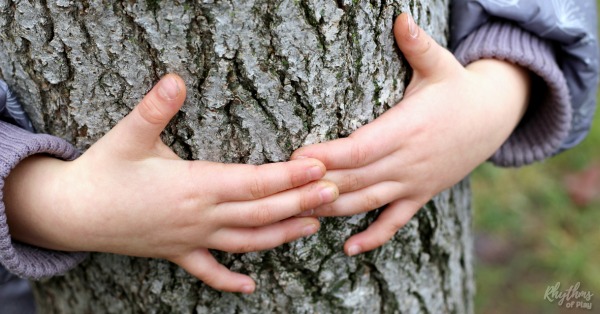
If you can’t plant a tree, hug a tree! Share your love for the Earth with your warm embrace. I love hugging trees! Hugging trees feels good when you get over what it looks like to others or what they might think. I like to get outside and hug trees daily for my psychological health, happiness, and well-being. As I always say, “A tree hug a day, keeps the heartache away.” ~NRK.
Did you know that hugging trees has been studied to reduce stress hormone levels in your body, increase “feel-good” hormones such as oxytocin, improve cardiovascular health, boost immune function, and help you get grounded or stay grounded. Best of all, spending time outdoors and hugging trees can help you feel more connected to the natural world around you. Each of these benefits makes hugging a tree more than worth it. Get outside and get your hug on like my daughter in the photo below! You might also enjoy climbing trees!
31. BE Kind to Mother Nature:
Most of the conservation activities and green-living tips discussed in this informative guide to caring for the Earth offer several more simple ways to be kind to nature. Here are a few more hands-on kindness activities that encourage kindness toward nature in simple ways kids can easily understand.
32. Speak Up and Take Part in Conservation Efforts:
There are so many ways to speak up and take part in conservation efforts in your community. Vote, sign petitions, or join local community groups that protect the environment. Big change often starts with a single voice that becomes many small voices working together. Create a group that takes action, or join one that speaks to your heart, to support conservation efforts.
33. Choose Change over Judgment:
Whatever you do, please do your best to stay compassionate and choose change over judgment. For example, if hugging trees or any of the other ideals aren’t for you, please don’t use the phrase “tree-hugger” as an insult, as my ex-brother-in-law did. Notice I said, ex? His derogatory comments and disrespect for the natural world didn’t go over too well with my family in the long run.
It’s one of the many reasons he is no longer a member. People who say these kinds of things, or make it hard for you to make eco-friendly changes, are often the biggest sources of waste and destruction on this planet. Their general malaise and lack of care for the environment lead only to an inability or unwillingness to change. These types of people tend to be overconsumers, with a trail of plastic waste following them like Pig-Pen’s dust cloud in the Peanuts comic strip.
Worst of all, they use hurtful comments and joking finger-pointing to ease the guilt they unconsciously feel about their lack of care, effort, and ability to engage in more eco-friendly practices. My ex-brother-in-law definitely fit each of these descriptions. We would all be better off if people like this became more compassionate, paid attention to the three fingers pointing back at them, and started considering a few changes they could make to improve our future.
34. Spend less time around those who are unwilling to change, and more time around like-minded people:
If there is anyone in your life who is unwilling to change or even listen. Consider letting them go or spending more time with like-minded people. Surround yourself with people who are striving to make changes, even when it’s challenging. Use their support to encourage your efforts and lift you up when you feel stuck or overwhelmed. It’s ideals like these that can truly help change the world and make it a better, greener place. Together, we can!
35. Use the Power of Habit To Help Reduce Climate Change One Sustainable Action at a Time:
If these eco-friendly green living tips to reduce climate change seem daunting. I suggest trying one of the green living tips from the list of eco-friendly and eco-conscious ideas above, one at a time. Build a culture and a weekly rhythm in your home, classroom, or workplace that supports everyone in working toward positive change in their lives.
Read about the incredible power of habit to make positive, lasting change second nature. Your children will learn to follow your example. If you haven’t already, grab a copy of the QuickStart Weekly Planning Guide to help you plan your daily and weekly rhythm.
You might also enjoy these Earth Day Printables (for use any day of the year). Or these gorgeous climate change coloring pages from Adventure in a Box for you and your kids (or students). The ideas in this post inspired my friend Liska to create a beautiful coloring page with twelve ideas to help kids reduce climate change.
As mentioned above, you will notice that her list of ways to reduce climate change for kids differs from mine but aligns perfectly. I think she did a fantastic job, and she gave us a free copy. Thanks for helping me make this world a greener and better place to live, Liska. You’re amazing! Thank you for joining me in “being the change you wish to see.” “speaking up and taking part, and becoming a #1 Model Citizen who lives in alignment with these eco-friendly ideas for our children’s future. Get your climate change coloring poster HERE!

Green Living Ideas: Helping Children Learn to Make Sustainable Choices That Reduce Climate Change
Caring for the Earth and making environmentally sustainable choices to reduce climate change are essential skills to share with our children. I hope you’ve enjoyed these Earth Day green living ideas and parenting tips. Please remind children, family, friends, and co-workers that the Earth’s future depends on the choices we make today.
Every action matters, no matter how small. Encourage your children or students to commit to “one small change” at a time by turning each into a pledge to the Earth. Download the Pledge to the Earth Printable, the entire Earth Day Activity Pack, or use it at home with kids (or adults) or with the students in your classroom.
Small actions may seem minor and inconsequential, especially to those destructive Pig-Pen types. However, when millions of people take them every day, they will create the real change we need right now. Not tomorrow, now. That’s how we build a greener, healthier world together.
But remember, no one is perfect. We all have not-so-great habits that are challenging to give up. Do the best you can, one action at a time. Go easy on yourself (and your children) as we each learn to treat our “Mother” a little better every day. Every little bit helps. “A bucket would never be full if not for each drop” ~NRK
Learn more about Nell Regan Kartychok, author of this informative guide about caring for planet Earth and reducing climate change HERE, and Rhythms of Play HERE!





I love your tips — so many that the kids can help with at any age! We try to do many of these but there’s always room for improvement 🙂 This year, we’re working on making our own cleaners.
We are nowhere near perfect when it comes to green living either Jacquie… we do our best with every moment and choice that passes. Some days are good, and some are not so good. All that matters is we are striving to be more green every day. Glad your making your own cleaning products — that has a lasting positive impact 🙂
Becoming a mother has made me very conscious about setting the right example for my kids, especially when it comes to caring for the environment. It’s easy to get lazy, but I try to remind myself that they are soaking up every move I make and will emulate it someday! Great article 🙂
Thanks, Skye 🙂
It’s amazing how much they soak up! I cringe when I see my daughter doing something I wish I never did in front of her. Thank goodness we don’t have to be perfect to be a good mother.
Fantastic post. Your tips are really very helpful in contributing towards the safety of the environment. Even small children should be taught from now to reuse the old things in their crafts and various other small things that can help them to go green so that they can continue their this habit in future. Keep sharing such awesome post that is very useful to all readers.
Thank you Ajay! I too think it is important to raise our children in this way. To make eco-conscious choices as a habit as opposed to just on Earth Day.