
First, learn some clues, signals, and signs that help you recognize when spring is coming or has arrived in this informative guide. Then go outside to hunt for the first signs of early spring with this fun outdoor activity for kids and adults!
Discover the subtle clues that tell you the seasons are transforming from winter to spring in this informative guide to the first signs of spring. Then encourage children and adults of all ages to notice any clues that spring is approaching with this fun, educational outdoor activity. As the cold days of winter give way to warmer temperatures, it’s a great time to get outside and learn about the changing seasons! Learn to recognize the common signs (sights, smells, sounds, and other sensory cues) that signal spring is on the way in the sections that follow!
Whether the groundhog sees its shadow or not, the first signs of spring often appear sometime between mid-February and mid-March. Some of these signs can emerge as early as January in warmer regions. The exact time you notice these subtle clues depends on the climate where you live and the typical weather of that area or biome. For example, in the southern United States, signs appear as early as late February, while in the northern regions, they may not appear until April. But even when it appears as if the world around you shows no outward signs of life, there is usually something stirring underneath.
The Subtle Signs of Spring Appear Gradually Each Day:
These typical spring signs don’t all arrive on the same day. Instead, each subtle clue emerges naturally in response to other seasonal signals as each day passes. As winter slowly transitions to spring, each one becomes more evident. As John Muir said, “When we tug on a single thing in nature, we find it attached to everything else.”
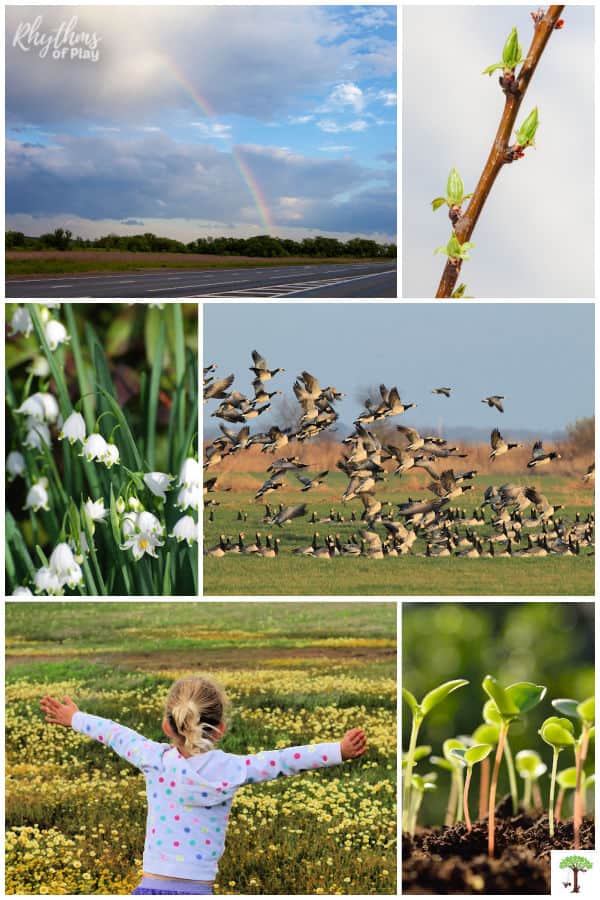
The common saying, “April showers bring May flowers,” illustrates this concept perfectly. It emphasizes the importance of early spring rain for later blooms and highlights the season’s transformative power. Originally coined by an English poet and farmer named Thomas Tusser in 1557. This spring proverb first appeared in his work “A Hundred Good Points of Husbandry” as the line: “Sweet April showers, do spring May flowers.” The saying evolved into the common spring proverb quoted above. You might also enjoy these May Day Activities. Some early spring signs are highlighted in the photo collage below.
When is the First Day of Spring?
The official first meteorological day of spring is on March 1. In contrast, the spring equinox is considered the first astronomical day of spring on the Gregorian calendar; it usually occurs on March 20th or 21st. Ancient Celtic cultures, however, regarded Imbolc as the first day of spring. This cross-quarter festival spans from sunset on February 1st to sunset on February 2nd, marking the midpoint between the winter solstice and the spring equinox.
Teach toddlers, preschoolers, kindergarteners, school-aged children, teens, and even adults to notice the early signs of spring with the outdoor activity below. First published on February 16, 2016, as “Search for the Signs of Spring,” this post is regularly updated and republished to improve the content. You might also enjoy these outdoor nature activities for kids.
How do you know when it is spring?
People often ask, “How do you tell if it is spring?” or “How do you know that spring is near or here?” The arrival of spring often brings subtle clues that signal its approach. The early signs of spring often begin to appear in late winter, sometimes as early as January in warmer, more temperate climates. Each one can be seen as a signal that tells of the inevitable transition from winter to the warmer months ahead.
Of course, the signs of spring and when they appear will vary from region to region, depending on the climate. However, several universally recognized signs of spring indicate the beginning of spring around the world, no matter where you live. For most people around the world, springtime is a bright, colorful, and magical season of rebirth, renewal, and regrowth.
Interestingly, when the Northern Hemisphere begins to see the seasonal characteristics of spring, the Southern Hemisphere welcomes fall. This means that when spring arrives in the Northern Hemisphere, the Signs of Autumn appear south of the equator. Get outside with the kids to study nature and the changing seasons today with these fun spring activity ideas for kids and adults! For more ideas, look at this list of spring activities, complete with a printable bucket list.
Universal Signs of Spring: 14 Common Ways to Know that Spring is Near (or Here):
The signs of spring listed below symbolize the end of winter and the beginning of spring. Each of these spring signals is a universally recognized indicator of renewal, growth, and rebirth within the never-ending cycle of life. Most of these seasonal clues that appear in the springtime are included on the printable scavenger hunts. However, as mentioned above, the signs of spring vary by location and can be influenced by local climate patterns. So some of the things that you notice, and when they appear, might be slightly different.
In other words, each region might have unique indicators, but the essence of spring is the same worldwide. Below is a list of the first signs of spring, followed by a few printable scavenger hunts you can use to hunt for clues of spring. Afterwards, some of these early signs of spring are examined in greater detail. These explanations provide more detailed information about the solar, environmental, meteorological, and botanical signs of spring, as well as the animal, bird, amphibian, and insect signals that spring is near or already underway.
In other words, each of these common universal signs is discussed in greater depth with even more seasonal clues you can begin to look for in the sections that follow the signs of spring scavenger hunt activity. The signs below are the most universally standard seasonal signals that tell us spring is on the way:
1. Warmer Temperatures and Weather:
- One of the most noticeable signs of spring is the gradual rise in temperatures and generally nicer weather.
- The air becomes milder, the last of winter’s chill fades away as the sun shines a little longer and brighter each day, and the temperatures continue to rise.
- As spring draws near and arrives, the chance of frost decreases and dissipates.
2. Budding Plants and New Growth:
- Trees, shrubs, and flowers bud and bloom, adding a fresh burst of color and life to the natural world.
- Verdant green leaves and colorful flowers pop and poof everywhere.
- Trees begin to show buds, which soon burst into leaves, providing a fresh canopy of green.
- After “bud break,” tree buds, new leaves, and flowers paint the gray winter landscape with a vibrant array of greens and colorful blossoms.
- The first spring flowers, such as crocuses, daffodils, and tulips, push through the soil and bloom.
- Wildflowers bloom in meadows, fields, woodlands, and forests.
3. Increased Daylight: Brighter, Longer Days and Shorter Nights:
- As spring approaches, the days get longer, and the nights get shorter, with earlier sunrises and later sunsets.
- This gradual increase in daylight is also responsible for the warmer temperatures typical in the springtime.
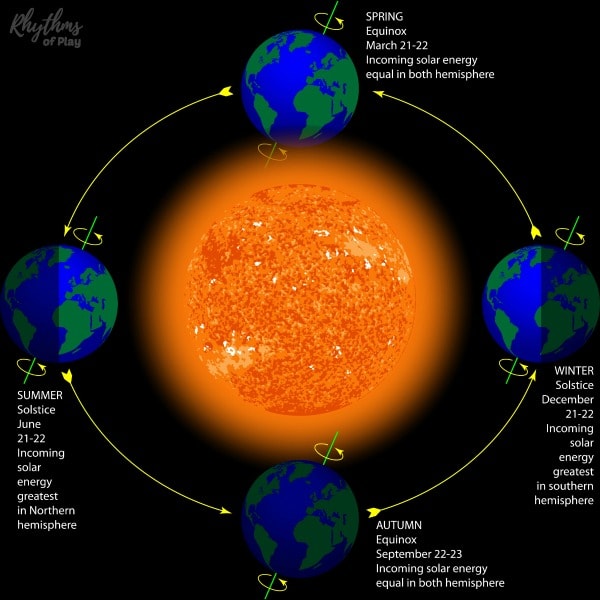
- Many of these changes are due to Earth’s tilt and its orbit around the Sun, which result in more daylight and fewer nighttime hours, especially after the spring vernal equinox.
4. Migrating Birds Returning Home:
- Many bird species migrate to warmer climates for the winter and return to their spring breeding grounds in the springtime.
- Increased bird activity, including nest building, bird singing, and the presence of migratory species, is a sure sign of spring.
5. Animal Activity:
- Animals that hibernate through the winter begin to wake up and become more active as the weather warms and the days grow longer. This includes animals like bears, hedgehogs, and some rodents.
- Additionally, you might notice more wildlife as animals mate and look for food.
- Many animals give birth in the spring, so sightings of fawns, chicks, ducklings, and other young animals are common in the springtime.
6. Increased Rainfall:
- Frequent, sometimes heavy spring rains nourish the awakening earth and budding plant life.
- The increase in wet weather at this time of year helps fill streams and rivers, replenish groundwater, and increase soil moisture levels.
- Spring rains are crucial for growing crops, plants, and flowers.
- The increase in rain can also lead to rainbows occurring when the sun peeks through the clouds. Turn your back to the sunlight to look for rainbows! (Learn more about rainbows in Rainbow Science for Kids.)
7. Melting Snow and Ice:
- Snow and ice thaw and recede as temperatures rise in the springtime, revealing the earth below.
- Like spring rains, snow and ice melt can help fill streams and rivers.
- As temperatures rise and the ground thaws, the soil warms up, encouraging seed germination and root growth.
8. Sounds of Spring:
- Birds singing and other sounds of spring create a symphony that fills the world with magic and beauty.
- Common spring sounds include bird songs, frog croaking, insect buzzing, and lawnmowers everywhere—LOL!
9. The Landscape Changes:
- As plants grow, flowers bloom, and new leaf buds sprout from trees and bushes, the landscape transforms from winter to spring.
- The barren and dull tones of winter give way to the bright, verdant greens and vibrant colors characteristic of spring, thanks to the new growth of leafy deciduous plants and flowers.
10. Lawn and Garden:
- The start of the gardening season for many plants and vegetables indicates that spring is here.
- Grass turns vibrant green and grows more rapidly, and gardens come to life as the soil warms and becomes more conducive to plant growth.
- Gardeners everywhere begin sowing seeds and preparing their gardens for the growing season.
- When seeds and starter plants are available at nurseries, garden centers, and even your local market, it is a sure sign that spring has arrived.
11. Outdoor Activities:
- The warmer weather and longer days encourage more outdoor activities.
- People start spending more time outside, engaging in activities such as walking, hiking, picnicking, and swimming, and enjoying many other outdoor sports and springtime hobbies.
12. Allergies:
- For many people, the onset of spring marks the start of allergy season.
- As plants release pollen into the surrounding air, spring brings seasonal allergies and a host of allergy symptoms for people with allergies.
- Spring allergy symptoms include sneezing, congestion, and itchy eyes.
13. Daylight Saving Time:
- Another sure sign of spring is when it’s time to set clocks for daylight saving time.
- When you set the clocks forward, you know it is spring.
14. Spring Vernal Equinox:
- According to the Gregorian calendar, spring’s astronomical beginning is the spring vernal equinox. In other words, spring is officially here once the spring equinox passes!
- The equinox marks the point when day and night are approximately the same length and signals the start of the spring season.
- However, ancient Celtic people considered Imbolc (Candlemas, Groundhog Day) the first day of spring. Many of the first signs of spring can be spotted around February 2nd in warmer climates.
- The spring equinox usually occurs between March 20th and 21st in the Northern Hemisphere; hence, it is also called the March equinox.
Go Outside to Search for the First Signs of Spring:
Teach your children or nature school students to notice the early signs of spring with this fun, educational scavenger hunt idea. My daughter and I like to point out the signs of spring that we see, hear, smell, feel, and sense, like a scavenger hunt on our daily walks. In other words, this is not a scavenger hunt that we typically do in a single day. For my family, it is a scavenger hunt that begins at the first sign of spring in late winter and continues until we spot the first signs of summer.
Use one of the optional printable scavenger hunts to help you look for the clues that signal spring’s arrival:
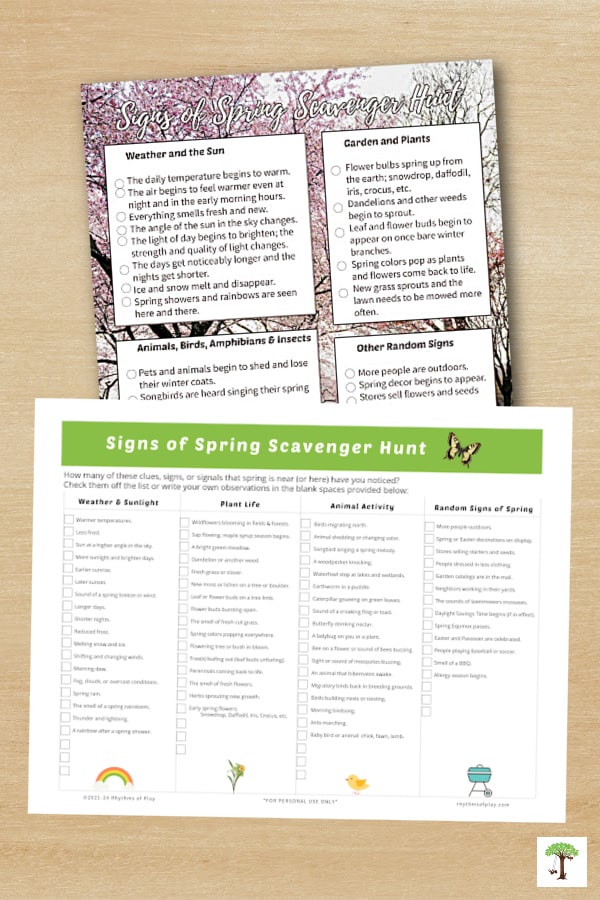
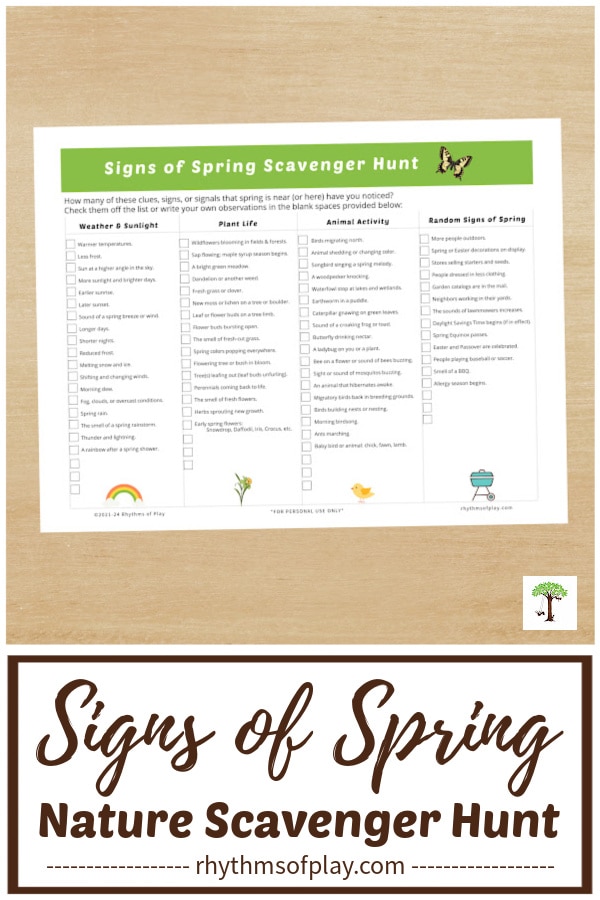
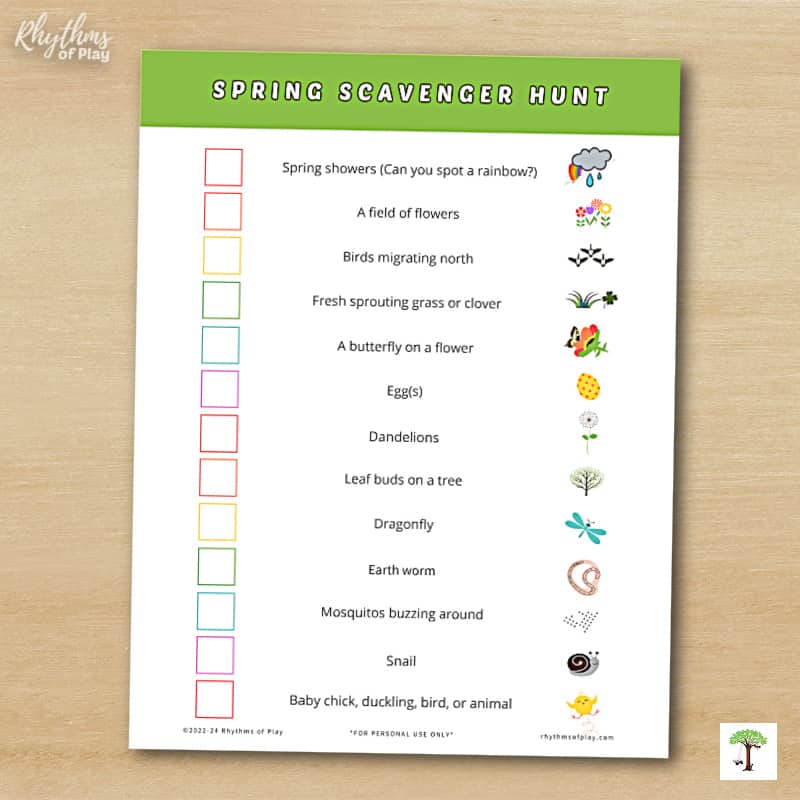
Become more aware of seasonal changes in the natural world with this fun and educational science activity for children and adults of all ages. The clues on the printable scavenger hunts match the typical signs of spring discussed in the following sections. This makes it easy to hunt for the clues that tell us spring is on the way. Best of all, there are not one but TWO optional “Signs of Spring” printable scavenger hunts (shown in the photograph below) that you can use to help you hunt for the clues, signs, and signals that spring has arrived.
You might also enjoy this spring scavenger hunt, which is best for younger children such as toddlers, preschoolers, and kindergarteners. Or, play “I spy with my little eye…” with the signs of spring! Young children love this outdoor activity. Scroll down for step-by-step directions for this fun spring scavenger hunt game you can play with kids of all ages!
First Signs of Spring Scavenger Hunt
This spring activity makes studying nature and the changing seasons fun. Searching for the signs of the next season’s arrival has become a game my family likes to play as the seasons change. When my daughter was a toddler, I would mention some of the first spring signs on our daily walks. Now that she is older, I ask her what she sees first. Most of the time, I don’t even have to ask. We start playing I-Spy whenever one of us notices an early spring sign.
Today, she squeals with excitement as she points out the first leaf buds and spring blossoms appearing and screams with delight when she hears the geese migrating. She even out-birded me when we were outside on a walk one day. On and on, the list goes. I rarely get the chance to point out any of the early signs of spring anymore because she’s always pointing them out to me as she happily sings, “I spy with my little eye…” Give it a try with the tips and instructions below! You may also enjoy this list of fun and educational shadow activities and experiments for kids.
How to Play I-Spy Using the Signs of Spring as Clues:
Think of it like a seasonal game of I-spy, and start paying attention to what you can see, hear, feel, sense, notice, and become aware of what is happening around you. Start playing I-spy when you spot a sign of spring outdoors (or even from indoors) as a fun way to encourage children and adults of all ages to guess the spring sign you have spotted, instead of pointing it out directly or using the printable below.
For example, give the following I-spy clue if you notice blossoms on cherry trees. “I spy with my little eye, something that starts with a ‘B’ for blossom or blooms. Or create a color clue by saying, “I spy with my little eye something pink.” The final I-spy option is to choose a rhyming word clue. For this example, you can say, “I spy with my little eye, something that rhymes with awesome.” To which your children will hopefully proclaim, “Blossom!”
If you are with older children and want to be more specific, use “C” for cherry blossom. Or use “A” for almond blossom if it’s an almond tree you see, spot, or spy. Then encourage the children and adults around you to guess the spring sign for the given clue. The player who answers correctly wins the opportunity to start the next round of I-Spy by giving everyone the next spring-themed clue. Our family is even known to play this version of I-spy on road trips to pass the time, spring, summer, fall, and winter!
Check off Spring Clues or Write in a Nature Journal or Notebook
Each of our printable spring scavenger hunts makes it easy to check off clues you find to tell you spring is here. The printables are lovely to have, but they are not mandatory. Alternatively, you can memorize or copy a few clues you learn from reading this article about the sure signs of spring into your homemade nature journal.
Or use a nature journal to note what you become aware of. In other words, create a list of clues you noticed. Alternatively, you can write in detail about what you see, hear, smell, feel, and sense in your nature journal in a similar way that you would write in a diary about each of the signs of spring you become aware of separately or as one detailed entry. (Scroll past these directions to learn more of the specific details that tell us the spring is near or here in several different categories.)
If you’re feeling up for it, draw a picture with your spring entry or several images to accompany your “Signs of Spring” entries in your nature journal. (We like to use the Laws Guide to Nature Journaling Drawing to help us.) However, how you create your nature journal entries is always up to you.
Different Areas or Regions Often Have Different Signs That Signal The Arrival of Spring
Remember, different areas can have other signs of spring based on climate, location, etc. Please write down the most noteworthy signs that help you know it is spring where you live. We’d love to hear the signs and signals you notice appearing around YOU! In the comments below, please let us know any signs of spring you become aware of, especially the uncommon spring signals you are lucky enough to experience.
The following section includes additional details on the signs of spring, expanding on the general universal signs mentioned above. It also shares the lists of springtime clues included in the printable signs of spring scavenger hunts I created, so you can easily write them down in your nature journal if you prefer. For even more fun kids’ activities, look at this list of Outdoor Learning and Nature Activities for kids.
Sun and Weather: 14 Solar, Environmental, and Meteorological Indications That Spring Is Near
Several meteorological and solar shifts signal the transition from winter to spring’s warmer, livelier season. These weather changes are part of the natural cycle that transitions the earth from the dormancy of winter to the vitality of spring. They affect ecosystems, human activities, and the overall climate of an area, making it one of the most dynamic times of year for weather. Here are a few notable signs that indicate spring is on the way:
1. Increasing Temperatures:
- One of the most noticeable signs that spring is approaching is the gradual increase in daily temperatures.
- The chill of winter slowly fades as the days grow warmer.
2. Higher Sun Angle:
- As the Earth orbits the sun, the sun’s angle above the horizon at noon rises slightly each day.
- This higher sun angle results in more direct sunlight and warming ground temperatures that melt the snow, ice, and air.
3. More Sunlight:
- An increase in daylight hours due to the changes in Earth’s tilt and orbit leads to longer days and shorter nights.
- Longer days and a higher sun angle mean more sunlight reaches the ground.
- This increase in daylight is vital for warming the Earth’s surface and stimulating the growth of springtime plants.
4. Increased Cloudiness:
- There are often more clouds overhead in the springtime.
- Spring brings more cloud cover due to increased moisture in the air and the development of storms, especially for those living near large bodies of water such as lakes or oceans.
5. Changing Patterns of Precipitation:
- As temperatures rise above freezing, snowfall gives way to rain as the primary form of precipitation, nourishing plants and contributing to the greening of the landscape.
- Spring is known for its variability, with rapid weather changes, including sudden rain showers, thunderstorms, and, in some places, late-season snow flurries.
- This rainfall is crucial for replenishing groundwater sources and nurturing budding plant life.
6. Thunderstorms and Lightning:
- The heat and moisture of spring contribute to the development of thunderstorms, a common feature of spring weather.
7. Reduced Frost:
- Frost becomes less frequent and eventually stops as nighttime temperatures rise above freezing.
8. Warmer Ground and Soil Temperatures:
- As air temperatures increase, ground and soil temperatures rise, enabling seeds to germinate, roots to grow, and plants to flourish.
9. Early Morning Dew and Fog:
- The contrast between day and nighttime temperatures can result in morning dew and fog, especially in locations near water.
10. Melting Snow and Ice:
- More intense sunlight and increasing temperatures lead to the thawing of frost and ice.
- Frozen water melts, and the ground softens, allowing new life to sprout from the earth.
- Snow and ice melting and thawing contribute to higher water levels in rivers and streams.
11. Changing Wind Patterns:
- In some regions, the approach of spring can be marked by changing wind patterns, shifting from colder winter patterns to milder, warmer winds.
- For example, in some areas, winds shift from northerly to southerly, bringing warmer air from lower latitudes.
- The clash of warm and cold air masses during the spring months can also lead to stronger gusts and more frequent winds.
12. Barometric Pressure Fluctuations:
- The variable weather patterns common in the spring can lead to more noticeable fluctuations in barometric pressure, which can influence weather systems.
13. Lengthening Days:
- After the winter solstice, the days grow longer, a trend that continues throughout the spring.
- This increase in daylight hours is due to Earth’s tilt and its orbit around the sun, leading to longer periods of sunlight each day until the summer solstice.
14. Early Sunrise and Later Sunset:
- Along with the lengthening of days, the sunrise gets earlier, and the sunset occurs later.
- This shift provides more daylight for outdoor activities and affects the daily rhythms of humans and wildlife, signaling seasonal change.
Examples of Sunlight and Weather Signs or Spring Clues to Look for on a Spring Scavenger Hunt:
Please note: These are the same weather- and sunlight-themed spring clues from the “Signs of Spring” printable scavenger hunt. Feel free to write them into your personal nature journal if you do not want to buy the printables, but please do not copy this list of items to publish or sell, as they are protected under copyright laws. Thank you!
- Warmer temperatures.
- Less frost.
- The sun is at a higher angle in the sky.
- More sunlight and brighter days.
- Earlier sunrise.
- Later sunset.
- Spring breeze.
- Longer days.
- Shorter nights.
- Ice and snow melt, thaw & disappear.
- Shifting and changing winds.
- Morning dew.
- Fog, clouds, or overcast conditions.
- Spring rain.
- The smell of a spring rainstorm.
- Thunder and lightning.
- A rainbow after a spring shower.
Related: 20 Fun Things to Do on a Rainy Day

Botanical Signs of Spring: Flowers, Shrubs, Trees, Lawns, and Other Wild and Garden Plants
Spring’s arrival transforms landscapes, bringing a burst of life and color after the somewhat dull and drab winter days. Like other signs of spring, these signs can vary depending on geographic location and local climate patterns. However, many signs and signals of spring in the world of plants below are regarded as universal symbols of spring’s rebirth in the natural world. Observing these botanical signs of spring can offer a deeper appreciation of the intricate relationships within the seasonal cycles wherever you are.
These plant life signals act as indicators of the changing seasons and play a vital role in the ecological balance of the natural world. However, they are just one of nature’s many ways of announcing the end of winter and the arrival of spring’s warmer, longer days. They work in concert with many other signs of spring to support a wide range of wildlife and contribute to the overall health of our environment. Here’s a list of some of these botanical signs and signals of spring:
Shrub and Flower Signs of Spring:
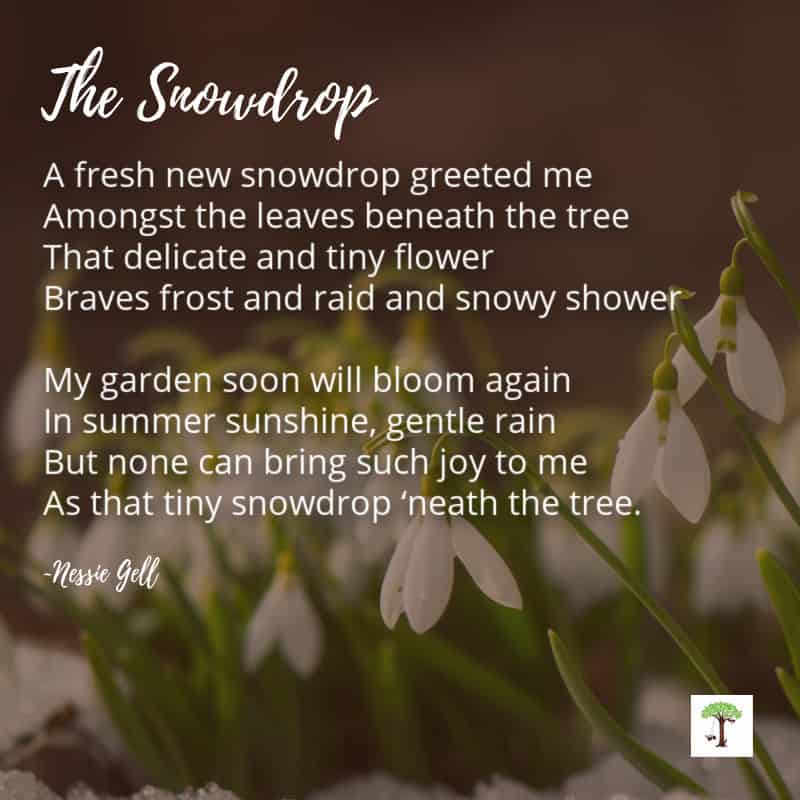
- Early Bloomers: Flowers such as snowdrops (photo below), crocuses, and winter aconites push up through the soil, sometimes even through snow, to bloom early in spring.
- Early Spring Bulb Flowers: The first blooms from bulbs planted in the fall appear, providing beautiful splashes of color everywhere. When these spring bulbs, such as daffodils, tulips, and hyacinths, begin to flower, they create vibrant displays in gardens and parks.
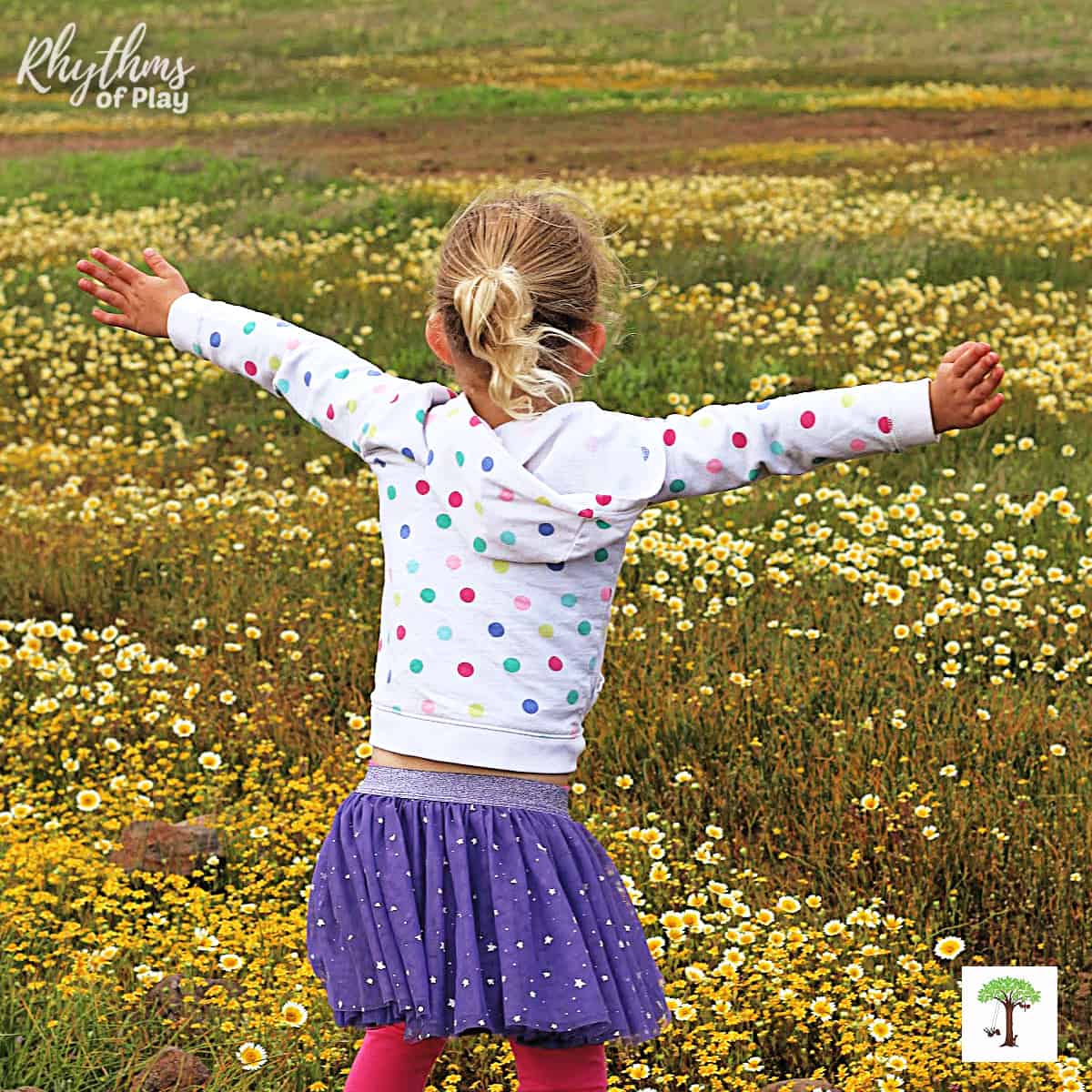
- Wildflowers: Native wildflowers bloom in forests, meadows, woodlands, and other natural areas, dotting landscapes and attracting pollinators.
- Budding Shrubs: Plants like forsythia and lilacs show their first buds, which will soon burst into colorful blooms.
- Perennial Growth: Dormant perennials awaken, with early risers like peonies, hostas, and other new shoots pushing through the soil.
- Sequential Blooming: The sequence in which flowers (and other plants in yards, gardens, parks, and nature) bloom can serve as a phenological clock, indicating the progression of spring.
Tree Signs of Spring:
- Sap Flow: In colder climates, sap begins to flow in maple trees, marking the start of the maple syrup season.
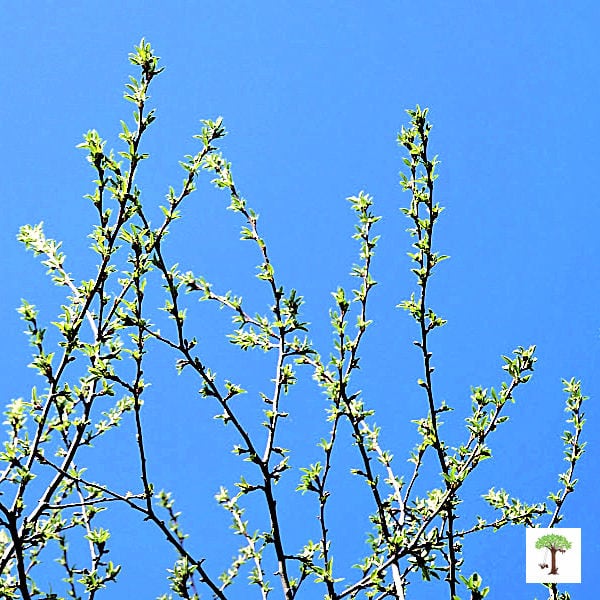
- Budding Trees: Trees begin to form buds that swell and grow until they open into leaves or flowers.
- Budburst: When the first buds on trees and shrubs burst into leaves and blooming flowers, spring has arrived.
- Flowering Trees: Species such as cherry blossoms, magnolias, dogwoods, almonds, and crabapples display their beautiful blooms, adding splashes of color to the landscape.
- Leaf Out: Deciduous trees, shrubs, and other plants unfurl their new leaves, transitioning from bare branches to lush greenery.
- Leaf Size: The growth rate of new leaves can indicate how far into the spring season the environment is.
- Spring Snow: Flowering tree blooms floating in a spring breeze or lying on the ground.
Ground Cover Signs of Spring:
- Greening Grass: Lawns and fields turn from brown to green as grass grows again with the warmer weather.
- Moss and Lichen: These become more vibrant in color and are more noticeable on trees, rocks, and soil, benefiting from the moist conditions of spring.
Garden Plants: Signs of Spring in the Yard and Garden
The signs of spring in the yard and garden not only mark the change of seasons but also signal the time for gardeners to start their annual routines of planting, maintenance, and enjoying the outdoors at home.
- Increased Activity: Gardens and landscapes become hubs of activity, with birds, insects, and animals more visibly active. (copy from below)
- Soil Warmth: The soil begins to warm, allowing the sowing of cool-season vegetable and flower seeds.
- Garden Prep: Gardeners start tilling the soil, adding compost, and preparing beds for planting.
- Vegetable Seedlings: Early vegetables like lettuce, spinach, and peas can be planted, and cool-season crops can start to grow.
- Herb Sprouting: Perennial herbs such as rosemary, sage, chives, mint, and thyme re-emerge, ready for another season of growth and culinary use.
Examples of Plant Life (Lawn, Plant, Flower, Garden, and Tree) Signs of Spring to Look for on a Scavenger Hunt:
Please note: These are the same plant-life spring-themed clues from the “Signs of Spring” scavenger hunt printable I created. Feel free to write the list of clues into your personal nature journal if you do not want to buy the printables, but please do not copy it to publish or sell, as they are protected under copyright laws. Thank you!
- Wildflowers blooming in fields & forests.
- Sap flowing; maple syrup season begins.
- A bright green meadow.
- Dandelion or another weed.
- Fresh grass or clover.
- Moss or lichen on a tree or boulder.
- Leaf or flower buds on a tree limb.
- Flower buds burst open.
- The smell of fresh-cut grass.
- Spring colors are popping everywhere.
- Flowering tree or bush in bloom.
- Tree(s) leafing out (leaf buds unfurling).
- Perennials are coming back to life.
- The smell of fresh flowers.
- Herbs sprout new growth.
- Spring snow (blooming trees, raining flower petals on the ground).
- Early spring flowers:
- Snowdrop, Daffodil, Iris, Crocus, etc.
Related: How to Plant Flowers
Wildlife Signs of Spring: Animal, Bird, Waterfowl, Amphibian, and Insect Indicators That Spring is Here
The arrival of spring brings noticeable changes in the behavior and presence of various wildlife, serving as natural indicators of the season’s shift. For example, earthworms emerge from the once-cold and dormant earth. The signs of spring on the lists below highlight seasonal changes in different forms of animal wildlife, including birds, waterfowl, insects, amphibians, and reptiles. Without further ado, here are a few common animal signs that spring is here or on the way:
Animal (Mammal) Signs of Spring:
- Increased Animal Activity: Mammals that hibernate through the winter, such as bears, hedgehogs, and some rodents, emerge from their dens to search for food after their long winter rest. Their increased activity is a sign that warmer weather is on the way.
- Lambs and Other Young Animals: In rural and farming areas, the birth of lambs, calves, horses, and other young animals after Imbolc is a sure sign of spring. In the wild, many species, such as deer, time the birth of their offspring to coincide with spring abundance, as this increases survival rates. You just might get lucky and see a fawn in the springtime. Unless you live on a farm where this is commonplace.
- Pets and Other Animals Shed or Change Color of Winter Coat: Some house pets and wild animals with fur shed and lose their winter coats, while others, such as the Arctic Hare and Arctic Fox, change the color of their coats entirely. For example, the Arctic Hare’s coat changes from white to brown or grey in the spring.
Bird Signs of Spring:
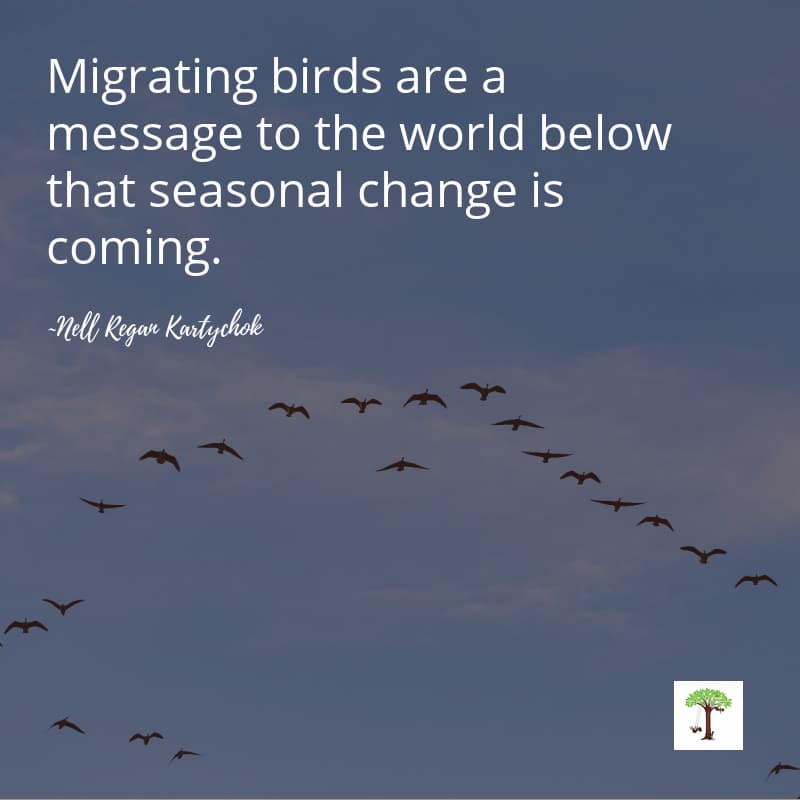
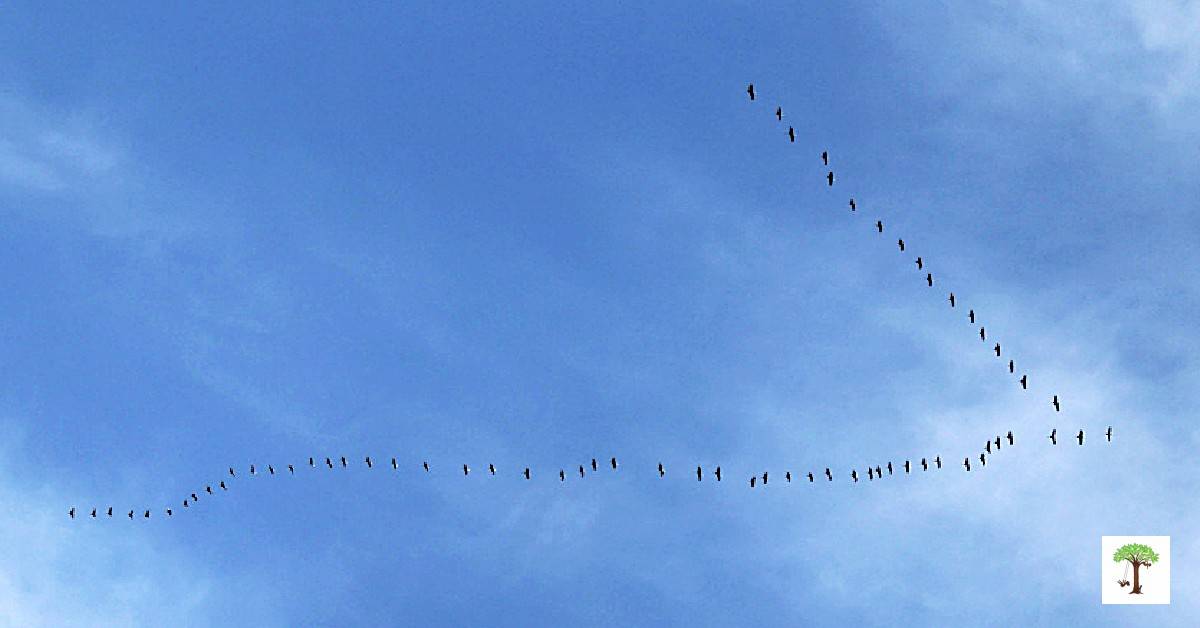
- Bird Migration and Return: The return of migratory birds is one of the first signs of spring. Many bird species migrate back to their breeding grounds in the spring, filling the air with their songs and calls.
- Birdsong at Dawn: An early chorus of birdsong at dawn and sunrise, primarily male birds singing to attract mates and establish territories, becomes a prominent and beautiful part of the morning soundscape.
- Increased Birdsong: The increased presence of birds and their singing is a primary indicator that spring has arrived. Some of the most noteworthy examples include the spring melodies of robins and swallows.
- All Bird Sounds Increase: Not only are early mornings filled with birds singing as male birds use songs to attract mates, but birds also fill the air with a variety of calls. They use different bird calls to attract mates and other bird sounds to defend their territories from unwanted intruders. And let’s not forget one of the most popular bird sounds of all, the rat-tat-tat-tat knocking of the woodpecker!
- Birds Building Nests: Birds start building nests and laying eggs, a sign of the beginning of new life. You might notice birds carrying twigs for nest-building or hear birds’ distinct calls and songs as they attract mates.
- Nesting and Breeding Activities: Birds, squirrels, and other animals begin nesting and breeding. If you spot any eggs, chicks, or other animal babies, please do not touch or disturb them, as the mother might abandon them.
- Waterfowl: Ducks and geese return to open waters to mate, nest, and raise their young, while swans and other migratory waterfowl can be seen stopping at lakes and wetlands as they travel north to their breeding sites and summer homes.
Insects and Other Invertebrate Signs of Spring:
- Insect Emergence: The warmer temperatures of spring coax many insects out of their winter dormancy.
- Bees and Butterflies: Bees and butterflies become more visible, pollinating flowers and adding to the spring ambiance. Once these invertebrates emerge, you can see them searching for nectar from the first spring flowers.
- Ladybugs and Other Beetles: Start to appear, feeding on aphids and other small insects.
- Ants: Become more active, especially on warm days, as they rebuild and expand their colonies.
- Mosquitos: These insects become active in the spring and can be spotted buzzing everywhere, especially around standing bodies of water. Remove standing water from your yard and garden to keep these annoying pests at bay.
Amphibian Signs of Spring:
- Frog Chorus: As temperatures rise, frogs and toads emerge from hibernation. Their collective croaking, especially in the evening, signals the arrival of spring.
- Migrating Amphibians: Some amphibians, such as frogs and toads, migrate to ponds and other bodies of water to lay eggs. Their croaking and calls can often be heard on wet evenings.
- Salamanders: These creatures also begin migrating to breeding sites, often on rainy nights.
- Amphibian Egg Laying: Frogs and toads lay eggs in ponds and wetlands, which can be seen as clusters or strings of jelly-like eggs in the water. Throughout the spring, these amphibians progress through the life cycle from tadpole to a full-grown frog or toad.
Reptile Signs of Spring:
- Reptile Awakening: Cold-blooded animals like snakes and lizards, which are less active or in brumation (a reptilian form of hibernation) during the cold months, become more active as temperatures rise.
Fish and Aquatic Animal Signs of Spring:
- Return of Aquatic Animals: Species that migrated to warmer waters return, including certain fish species in rivers and lakes.
- Salmon run to return to their original breeding grounds to mate and lay eggs.
- In some coastal areas, sea turtles return to lay eggs.
Examples of Animal Signs of Spring to Look for on a Scavenger Hunt:
Please note: These are the same animal-themed spring clues from the “Signs of Spring” printable scavenger hunt I created. Feel free to write them into your personal nature journal if you do not want to buy the printables. However, please do not copy them for publication or sale, as they are protected by copyright law. Thank you!
- Birds migrating north.
- Animal shedding or changing color.
- Songbird singing a spring melody.
- A woodpecker pecking or knocking.
- Waterfowl stop at lakes and wetlands.
- Earthworm in a puddle.
- Caterpillar gnawing on green leaves.
- Sound of a croaking frog or toad.
- Butterfly drinking nectar.
- A ladybug on you or a plant.
- A bee on a flower or the sound of bees buzzing.
- Sight or sound of mosquitoes buzzing.
- An animal that hibernates awake.
- Migratory birds are in their breeding grounds.
- Birds building nests or nesting.
- Morning birdsong.
- Ants marching.
- Baby bird or animal: chick, fawn, lamb.
- Salmon running (swimming upstream).
Related: Birding for Kids: Birdwatching Activities and Learning Ideas
Other Random Signs of Spring:
As we transition from the chill of late winter to the mild embrace of spring, subtle yet unmistakable clues herald the arrival of this vibrant season beyond the blossoming plant life, bustling animal activity, and shifts in weather and sunlight. You might notice several other random spring clues as you go about your daily activities in the late winter. Like the other spring-themed clues, they help us know when spring is here. Together, these clues weave a tapestry of signs that tell us spring is upon us and invite us to engage with the world awakening everywhere around us.
Examples of Random Signs of Spring to Look for on a Scavenger Hunt:
Please note: These are the same random spring-themed clues from the “Signs of Spring” scavenger hunt I created. Feel free to write them into your personal nature journal if you do not want to buy the printables, but please do not copy this list of items to publish or sell, as it is protected under copyright laws. Thank you!
- More people outdoors.
- Spring or Easter decor.
- Stores selling starters and seeds.
- People dress in less clothing.
- Garden catalogs are in the mail.
- Neighbors working in their yards.
- The sounds of lawnmowers.
- Daylight savings time begins (if in effect)
- Spring Equinox.
- Easter.
- People playing baseball or soccer.
- Smell of a BBQ.
- Allergy season begins.
Related: Easter Traditions and Celebration Ideas
Signs of Spring Nature Scavenger Hunt for Kids and Adults
Children and adults can become more aware of seasonal changes as they learn to perceive the subtle shifts occurring in the world around them. Going on a scavenger hunt to find signs that spring is near or has arrived is a fun way to help children and adults strengthen their awareness skills and deepen their connection to the natural world. You might also enjoy this list of outdoor activities.
Visit the Rhythms of Play Learning Center to download and print the Signs of Spring Scavenger Hunt Printable. As mentioned previously, I recently updated the printable to make it even better. The photo below shows the new printable with clues of spring’s arrival. Today, you can get both “Signs of Spring” printables for the price of one!
Printable Spring Scavenger Hunt for Kids:
Alternatively, try this spring scavenger hunt printable instead. Once you finish this spring activity, use a three-hole punch to add your favorite printable scavenger hunt to your DIY nature notebook. Both nature scavenger hunt printables include a list of common signs of spring, presented as spring-themed clues you can look for on a scavenger hunt and check off. For example, seeing new leaf buds on trees or snowy weather turning to rain are common universal signs that spring is coming. Speaking of rain, you might also enjoy this list of rainy-day activities for kids.
Become Aware of Seasonal Changes in Your Area with These Outdoor Activities for Kids and Adults!
Searching for signs of Spring is a fun and educational activity for kids. I hope you enjoy reading about and learning the signs of spring, and that these subtle clues help you begin to pay deeper attention to the world around you. Look, listen, feel, smell, and sense to become more aware of these early signs of spring.
For children and adults alike, becoming aware of seasonal changes in wildlife behavior and the environment can foster a deep connection to the natural world. You might also enjoy these birdwatching activities for kids.
So tell me. What signs of spring have YOU noticed? Share your favorite early signs of spring in the comments below!
Learn more about Nell Regan Kartychok, author and creator of this original outdoor spring activity for children and adults of all ages, HERE, and Rhythms of Play HERE!
More Seasonal Nature Scavenger Hunt Ideas
- Summer Scavenger Hunt Printable for Toddlers
- Signs of Summer Nature Scavenger Hunt
- Fall Scavenger Hunt Printable for Toddlers
- Search for the Signs of Autumn Nature Scavenger Hunt
- Winter Scavenger Hunt for Toddlers
- Signs of Winter Nature Scavenger Hunt
More Spring Activities for Kids
- Spring Bucket List of Fun Activities for Kids
- Imbolc Traditions and Celebration Ideas
- Ways to Celebrate the Spring Solstice
- Planting Spring Flowers
- Flower Arranging Activity for Kids
- Spring Nature Table
- Spring Books for Kids
- Growing Sunflowers with Children
- Giant List of Outdoor Learning and Nature Activities for Kids






Leave a Comment