
Invite children to learn about squirrels with fun facts, printable activities, squirrel-themed teaching ideas, cute crafts, and songs!
Watch, wonder, and learn with these squirrel activities for kids, including wildlife observation, printable worksheets, nature journaling, books, crafts, games, and songs. Start by watching squirrels from a window, backyard, schoolyard, or park. What do you notice? Children’s questions usually follow: What is it eating? Where does it sleep? Why is it digging?
Invite children to use our Squirrel Behavior Tally Sheet to record their observations. You can also explore squirrel anatomy with the Parts of a Squirrel worksheet, or sketch their discoveries in a nature journal. These types of simple squirrel activities for kids turn those questions into opportunities to observe, count, draw, read, and play.
Continue learning by choosing an activity that follows your children’s curiosity from the list of ideas below. Whether you’re learning together at home, in your homeschool, or with a class, ideas include fun squirrel activities for all ages. Like birdwatching, observing squirrels and their quirky behaviors is an outdoor activity that children and adults can enjoy together.
Squirrel Activities at a Glance
Browse the squirrel activities below, or click a link to jump straight to an idea that catches your curiosity.
- Share Nutty Squirrel Facts
- Observe Squirrel Activities and Behaviors
- Explore Printable Squirrel Activities
- Learn How to Identify Squirrels
- Record Observations in a Nature Journal
- Read Squirrel Books for Kids
- Enjoy Amazing Squirrel Photographs
- Take Pictures of Squirrels
- Learn How to Draw a Squirrel
- Make Squirrel Crafts
- Create a Squirrel Learning Center
- Make a Squirrel Sensory Bin
- Play Squirrel Learning Games
- Make a Pretend Squirrel Feeder
- Learn Squirrel Songs, Poems, and Fingerplays
Fun and Educational Squirrel Activities for Kids
Have you ever wondered about squirrels and their nutty behaviors? Helping children learn about animals that interest them, like squirrels, is a great way to make learning fun!
In this helpful guide, you will discover outdoor nature study ideas, squirrel crafts, books, songs, and learning games for preschoolers and older children.
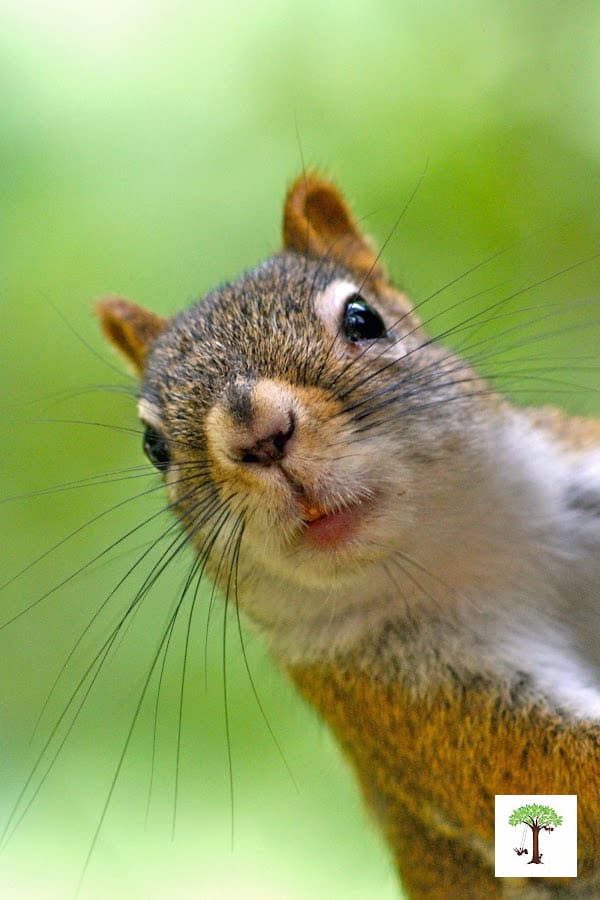
Use this list of squirrel activity ideas to help toddlers, preschoolers, kindergarteners, and school-aged kids learn about these silly little rodents, starting with some advice from a squirrel:

1. Share Nutty Squirrel Facts with Kids:
Sharing fun, interesting squirrel facts with children is a great activity for kids of all ages. Here are a few to get you started:
Squirrels Help Plant Trees
Did you know one of the squirrels’ most important jobs is forgetting where they store some of their nuts for the winter?
Grey squirrels dig empty holes and cover them without actually burying a nut. Researchers have observed this behavior more often when other squirrels are nearby. This clever trick may help protect their food stores from other animals. Scientists call it deceptive caching.
But some nuts they actually bury are never recovered. This quirky squirrel behavior has an unexpected benefit: those nuts may sprout into trees, helping forests grow! By gathering and storing nuts, squirrels help spread seeds and plant the next generation of trees. Learn more from the Pennsylvania Game Commission.
Squirrels Are Mammals and Rodents
They have fur, give birth to live young, and feed their babies milk. They belong to the squirrel family, Sciuridae. Their four front teeth, called incisors, keep growing throughout their lives and wear down as they gnaw. Explore the squirrel family with the University of Michigan’s Animal Diversity Web.
The Squirrel Family Includes Some Surprising Relatives
This family includes tree squirrels, ground squirrels, and flying squirrels. Chipmunks, prairie dogs, and groundhogs—also called woodchucks—are members, too! See examples in the Smithsonian’s squirrel collection.
Squirrels Eat More Than Nuts
Depending on the species and season, their food may include seeds, fruit, buds, fungi, insects, and bird eggs. Many squirrels eat mostly plant foods but also eat animal foods, making them omnivores. The Pennsylvania Game Commission explains how different squirrels find and store food.
A Squirrel’s Food Hiding Place Is Called a Cache
Fox squirrels use memory, landmarks, and smell to help find buried nuts again. Read about their food-storing skills in this UC Berkeley research.
A Leafy Tree-Squirrel Nest Is Called a Drey
Built from twigs and lined with softer materials, it provides shelter high in a tree. Tree squirrels may also use hollows in tree trunks, so not every squirrel home is a drey. Learn about squirrel nests from the Natural History Museum.
Squirrels Communicate with Sounds and Movements
Different species make calls such as barks and chattering sounds. Grey squirrels also flick their tails as alarm signals. Listen and look for these behaviors without approaching or disturbing them. Explore more squirrel facts from Texas Parks and Wildlife.
Flying Squirrels Glide Rather Than Fly Like Birds
A fold of skin between their front and back legs spreads out as they leap, helping them glide between trees. North American flying squirrels are active at night, which makes them harder to spot. Learn more from the National Park Service.
Not All Squirrels Spend Winter the Same Way
Familiar tree squirrels such as grey and fox squirrels stay active year-round, although they may shelter during harsh weather. Some ground squirrels hibernate. Discover examples in the Missouri Department of Conservation’s guide to seven kinds of squirrels.
Which fact surprises your children most? Invite them to share a question, then look for clues during your next squirrel observation.

2. Observe Common Squirrel Activities and Behaviors:
Here’s another fun squirrel activity for kids. Have you ever noticed how much fun squirrels are to watch!? Observing different types of squirrels in their natural habitats and watching their common activities and behaviors is a great way to learn even more amazing facts about them.
What hours are squirrels active?
Familiar tree squirrels, such as grey and fox squirrels, are diurnal. This means they romp, play, and gather food during the day and primarily rest at night. Although you can see them throughout the day, mornings and late afternoons are often good times to spot them engaging in their nutty behaviors. Their activity varies with the weather and season.
Not all squirrels follow this schedule. North American flying squirrels are nocturnal, meaning they are active at night. Learn more about these nighttime gliders from the National Park Service.
What is a squirrel’s daily routine?
A tree squirrel’s daily routine is a bustling symphony of energy and instinct. As the sun rises, these agile creatures set out to forage. They scurry along branches and dart across open spaces with boundless enthusiasm, searching for nuts, seeds, and fruits to fuel their day. Their keen senses and memory help guide them to hidden stashes.
When they’re not hunting for food, you might see squirrels chasing each other, leaping from limb to limb, and performing daring acrobatics that showcase their incredible agility. Grooming and rest punctuate their day, keeping their fur clean and their bodies refreshed for tomorrow’s adventures.
During midday, they may be spotted resting on a branch or sheltering in their dens, depending on the weather. Watching a squirrel’s daily routine reminds us of the vitality and harmony nature weaves into even the smallest corners of our world.
What are some common squirrel activities?
Squirrels can be boisterous, loud, and highly vocal. Depending on the species, their calls include chirps, chatter, barks, and other sounds. They also communicate through body language, including tail twitches. Listen and look closely—what might the squirrels near you be communicating?
Squirrels also use their tails to help them balance as they scurry across wires and jump from tree limb to tree limb and from tree limb to rooftop.
My daughter and I enjoy watching the tree squirrels romp and play in our backyard and at the local park. We often hear them churring and chatterboxing and see them collecting nuts, chasing each other from limb to limb, and zigging and zagging.
Ranger Rick shares more about the climbing, chasing, food gathering, and other squirrel behaviors you might notice in your neck of the woods.
Are squirrels active in the winter, or do they hibernate?
It depends on the type of squirrel! Grey and fox squirrels are active year-round and do not hibernate. Some ground squirrels, however, spend much of winter hibernating underground. Learn more about these differences from the Missouri Department of Conservation.
When winter’s chill descends, tree squirrels unveil a masterclass in survival and adaptation. As the world around them transforms into a frosty wonderland, these resourceful creatures draw on food gathered during more abundant seasons. Grey and fox squirrels bury nuts and seeds in scattered locations. These hidden stores serve as a life-saving pantry during leaner times.
In winter, you may see them searching for cached nuts and seeds or other food sources, such as tree buds or leftover fruit. They use memory and scent to help retrieve their buried treasures, even when the ground is covered in snow. Learn more about their seasonal habits from the Pennsylvania Game Commission.
To stay warm, tree squirrels shelter in leafy nests or tree cavities. Grey squirrels sometimes share these cozy shelters with fellow squirrels for communal warmth. During very cold or stormy weather, they may spend more time tucked away to conserve energy and stay warm. The Natural History Museum explains more about their winter shelters.
Try This Squirrel Observation Activity
If watching squirrels is something your children enjoy, try this fun squirrel activity:
- First, observe squirrel behaviors in your backyard, park, or another natural habitat.
- Next, invite children to pay close attention to the tree squirrel behaviors they notice.
- Then, make one tally mark each time they see a behavior listed on the Printable Squirrel Behavior Tally Sheet in the Rhythms of Play Learning Center.
- Finally, count the marks and compare the totals. Which behaviors did you notice most often?
Look for climbing, leaping, gathering and stashing food, quietly nibbling, and tail flicking. The sheet includes extra rows for squirrel activities and behaviors you discover on your own.
Watch quietly, give wildlife plenty of space, and leave nests and stored food undisturbed. You don’t need to spot every behavior—enjoy watching the nutty things squirrels do!
3. Printable Squirrel Activity Ideas and Educational Resources:
Explore squirrel anatomy and record wildlife observations with printables from the Rhythms of Play Learning Center, then discover reading, math, and other printable squirrel activities and resources below. Choose an activity that suits your children’s interests and abilities, and add completed pages to a nature journal to keep their discoveries together.
- Parts of a Squirrel Printable Anatomy Worksheet: Explore eight external body parts with a realistic squirrel illustration. Children can cut and glue the word cards into place or write the names in the blank boxes. The two-page PDF includes an instruction guide and answer key.
- Printable Squirrel Behavior Tally Sheet: Watch squirrels from a distance and make tally marks beside the behaviors you observe. Count the totals, compare observations, and add other behaviors you notice. Includes an instruction guide.
- Homeschooling My Kinetic Kids offers several printable squirrel learning activities, including “Squirrel Alphabet Cards,” “Squirrel CVC Word Cards, “Squirrel Math Activities,” and even “Squirrels of North America Montessori 3 Part Cards!”
- Squirrel Lifecycle Activities and Cards: Check out these squirrel learning activities from Welcome to Mommyhood.
- Squirrel Maze Activity: Invite the kids to help the squirrel find his nuts with THIS fun squirrel maze activity by Education.
- Squirrel-Themed Activities for Preschool: Explore more squirrel activities and printable resources on Kidsparkz.
4. Learn How to Identify Squirrels:
Another fun squirrel activity that makes it easy to learn about squirrels is practicing identification, especially if you have a few different squirrel types in your local area. Invite children to practice identifying different squirrel species, such as fox squirrels, eastern gray squirrels, red squirrels, and woodchucks, in the backyard, schoolyard, park, or out in nature.
Look closely at each squirrel’s size, fur color, ears, and tail. Where did you spot it, and what was it doing? Use these clues, along with a field guide, to help identify the species.
Learn how to identify squirrels, rabbits, and chipmunks with Rabbits, Squirrels, and Chipmunks: A Take-Along Guide for kids. Or, look up mammals in Reader’s Digest’s comprehensive Wildlife Guide featuring over 2,000 plants and animals in North America. Don’t forget to write down any different types or species of squirrels you see in your nature journal.

5. Record Squirrel Observations in a Nature Journal or Notebook:
As mentioned above, one of our favorite outdoor activities is observing squirrels, birds, and other local wildlife in our backyard, local park, and in their natural habitats. After my daughter and I complete this fun activity, we record which squirrels we identify, how many we see, and what they’re doing.
- Invite children to watch squirrels in the backyard, schoolyard, neighborhood, park, or nature.
- Record your observations in your nature journal. You might sketch a squirrel, note the date and weather, or describe something that surprised you. Younger children can draw or share their observations for an adult to write down.
- Come back and tell us about anything fun or exciting you observed or discovered in the comments below!

6. Read Squirrel Books for Kids:
Reading squirrel books is a fun activity for kids. If you’d like to learn more about squirrels, invite children to explore this list of excellent squirrel books, including informative guides, hilarious photos of their antics, and imaginative stories.
My daughter and I reviewed several squirrel books to curate this list for you and your children. Share the informative guides and popular squirrel books below with children at home or in the classroom to help them learn more.
Educational Books and Guides about Squirrels:
- Rabbits, Squirrels, and Chipmunks Take-Along Guide
- Squirrels: The Animal Answer Guide (The Animal Answer Guides: Q&A for the Curious Naturalist)
Picture Books about Squirrels for Kids:
- Bob Ross and Peapod the Squirrel: In this delightful book, Bob Ross paints a stunning home for his squirrel friend, Peapod.
- The Busy Little Squirrel: This story captures the beauty of fall and features country animals, pumpkins, leaves, apples, and other signs of autumn.
- Nuts to You: A children’s book about a mischievous squirrel looking for food. The simple rhythmic text and colorful illustrations make it an excellent squirrel book for young children.
- The Secret Life of Squirrels: A photographic story featuring wild squirrels in homemade miniature domestic settings that will surprise and amuse readers and animal lovers of all ages!
- The Scaredy Squirrel Book Series by Melanie Watt: These squirrel books offer several stories to keep children entertained from Pre-K and up. Or, purchase only the first book in this nutty series.

7. Enjoy Looking at Amazing Photographs of Squirrels:
Here’s a fun squirrel activity for kids and adults. Everyone can enjoy the fantastic gallery of cute red squirrel photographs by Geert Weggen Photography. His award-winning squirrel photographs appear in newspapers, books, calendars, magazines, websites, and television programs, and have won the adoration of squirrel friends and foes worldwide.
One of his squirrel pictures appears below. Visit his website to see more of his famous squirrel photos and learn how he crafts tiny sets and props to photograph his many red squirrel friends.

8. Take Pictures of Squirrels:
Here’s another squirrel activity that kids and adults can enjoy. Taking pictures of an animal is a great way to learn more about it, and squirrels are no exception. My daughter and I did our best to photograph our California Grey Squirrel friend, “Nutz.“
In the few years we spent observing her, we watched her collect and store nuts, eat the apples we left for her, constantly argue with our dog —”chur chur chur”—steal from our bird feeder, graciously accept the nuts we gave her, and even bear kits.
Unfortunately, we couldn’t catch many photos. Neither of us has developed the talent to photograph squirrels like Geert Weggen’s famous squirrel photographs, but it’s still fun to try!
If you try photographing squirrels, choose a quiet spot, give them plenty of space, and use your camera’s zoom to capture a closer view.

9. Learn How to Draw a Squirrel:
Learning to draw squirrels is a fun squirrel activity and a great way to learn more about them. We have listed a few excellent “how to draw” resources and fun squirrel art project ideas perfect for kids from toddlers to teens.
Below the list of squirrel drawing resources is a fantastic video by Harriet Muller Art that shows how to draw a squirrel. Or, try this lovely squirrel coloring page by RedTedArt.
- The “Laws Guide to Nature Drawing and Journaling” is a fantastic resource for older children and adults. It shows how to draw animals and plants in different styles.
- Learn to Draw Forrest Animals and Wildlife is another book that can help younger children and beginner artists get started with animal drawing.
- The We Draw Animals website has several “How to Draw a Squirrel” video tutorials, including a few that kids and adults can try.
- Find more fun “how to draw a squirrel” tutorials on How 2 Draw Animals and Art Projects for Kids.
- Or watch the Free Video tutorial “How to Draw a Squirrel” on Amazon Prime.
10. Make Squirrel Crafts
Make any of the cute squirrel craft ideas for kids. Crafting these much-loved, silly little rodents is a fun squirrel activity and a great way for kids to learn more about squirrels.
Squirrel Craft Ideas and Handwork Projects for Kids:
- Construction Paper Squirrel Craft: Invite the kids to try this cute squirrel craft inspired by the children’s book “Nuts to You” by Buggy and Buddy.
- Squirrel Nature Craft: Collect natural materials to make adorable squirrel nature crafts, like this squirrel-in-a-tree craft by LeapFrog.
- Dixie Cup Squirrel Crafts: Use a Dixie cup to make this cute squirrel craft by The Pinterested Parent.
- Magnetic Squirrel Craft: Create a little squirrel that moves around on a paper plate with this interactive squirrel-and-acorn craft by The Joy of Sharing.
- Recycled Egg Carton Squirrels: Make squirrels from recycled egg cartons with this simple squirrel craft idea from Family Fun, turned into a game by Pest World for Kids.
- Squirrel Puppet Crafts: Invite kids to make squirrel puppets for storytime fun and pretend or imaginative play with this craft tutorial by Ruffles and Rainboots.
- Glove Squirrel: Turn an old mitten or glove into a squirrel with this fun recycled squirrel craft idea by Cashmerette.
- Knit Pet Squirrel Project: Try knitting a life-like pet squirrel with this adorable knitting project by CraftBits.
- Simple Squirrel Crafts & Activities for Kids: Try any of these cute squirrel craft ideas and activities for kids from DLTK’s Growing Together.
11. Create a Squirrel Learning Center:
Another fun squirrel activity idea is to create a nature table or science learning center dedicated to squirrels. A nature table is a shelf or table used to place items from nature or represent something found in nature, such as a particular species of plant or animal, to learn more about it.
A squirrel nature table would be a table or shelf dedicated to squirrels. If you choose this option, feel free to display squirrel crafts your kids make, squirrel books or field guides, and other related squirrel toys or educational materials.
My daughter and I enjoy making a nature table each season, like this fall nature table, and regularly changing what we display as the seasons change. Creating a squirrel-themed nature table or science learning center is a great way to learn more about them.
Visit the Teaching 2 and 3 Year Olds website to learn more about the simple squirrel learning center pictured below.

12. Make a Squirrel Sensory Bin:
Have fun putting together a squirrel sensory bin. There are many different ways to do this squirrel activity. For example, you can make a sensory bin with natural materials instead of a nature table or science learning center.
Alternatively, follow these instructions to create a sensory bin inspired by the children’s book “Acorns Everywhere,” like the one by I Heart Crafty Things in the photo below.

13. Invite Children to Play Squirrel Learning Games for Kids:
Learn more about squirrels and their silly behaviors through game activities like the squirrel games listed below.
- Young children enjoy playing The Sneaky, Snacky Squirrel Toddler & Preschool Board Game by Educational Insights.
- Find the acorns in this simple printable sight word game inspired by the children’s book Scaredy Squirrel by Artsy Momma.
14. Make a Pretend Squirrel Feeder:
Make a pretend squirrel feeder with this book-inspired squirrel activity. The idea is simple: make a squirrel feeder, fill it with nuts like in the children’s story “Nuts to You!” by Lois Ehlert, and use it for pretend play. Instead of putting food outside for wildlife, invite children to fill their feeder with paper acorns and nuts for a toy squirrel. How many nuts will their squirrel gather and stash for winter?
Why make a pretend squirrel feeder instead of a real one? Feeding wild squirrels can encourage them to gather in close groups, increasing competition and the spread of disease. It can also teach them to associate people with food and become more comfortable approaching us. Learn more about why feeding wildlife can cause harm from the U.S. Fish and Wildlife Service, and let the squirrels gather their own snacks while your toy squirrels enjoy the pretend feast!

15. Learn Squirrel Songs, Poems, and Fingerplays:
Learning squirrel songs, poems, and fingerplays is a fantastic squirrel-themed activity for toddlers, preschoolers, and kindergarteners. We have found a few cute squirrel fingerplays you can try with your kids at home or in the classroom.
Toddlers, preschoolers, and kindergarteners love hearing these squirrel poems and songs and learning how to perform them as fingerplays. The Grey Squirrel and Whiskey Frisky Squirrel songs are below, along with a video showing how to perform Whiskey Frisky Squirrel as a fingerplay.
Grey Squirrel
Gray squirrel, gray squirrel, swish your bushy tail.
Gray Squirrel, gray squirrel swish your busy tail.
Wrinkle up your funny nose,
Hold a nut between your toes.
Gray Squirrel, gray squirrel, swish your busy tail!
Learn how to perform Grey Squirrel as a fingerplay on YouTube!

The Whisky Frisky Squirrel
Whisky, frisky,
Hippity hop;
Up he goes
To the tree-top!

Whirly, twirly,
Round and round;
Down he scampers
To the ground.

Furly, curly,
What a tail!
Tall as a feather,
Broad as a sail!

Where's his supper?
In the shell;
Snappy, cracky,
Out it fell!
Keep Exploring the Nutty World of Squirrels
Whether you’re watching squirrels leap from limb to limb, reading about their antics, or making squirrel crafts together, there are plenty of fun ways to learn about these busy little neighbors. Follow your children’s curiosity and see where it takes you—you never know what that squirrel outside your window might do next!
For more ways to follow your children’s curiosity, explore our outdoor learning activities for kids. You can also learn how to help children connect and engage with nature through outdoor play.
Which squirrel activities did your children enjoy? Share your discoveries and favorite ideas in the comments below!
Learn more about Rhythms of Play on our About page, or meet the creator and author, Nell Regan Kartychok.
More Outside Activities for Kids
- Nature Study for Kids
- Birding for Kids: Birdwatching Activities and Lessons
- How to Skip a Rock: The Art and Science of Skipping Stones
- Shadow Activities for Kids






Leave a Comment